Learn how a blood pressure tracking app can transform your hypertension management routine effectively in 2026.
Blood Pressure Tracking App: Your Ultimate Guide to Managing Hypertension in 2026
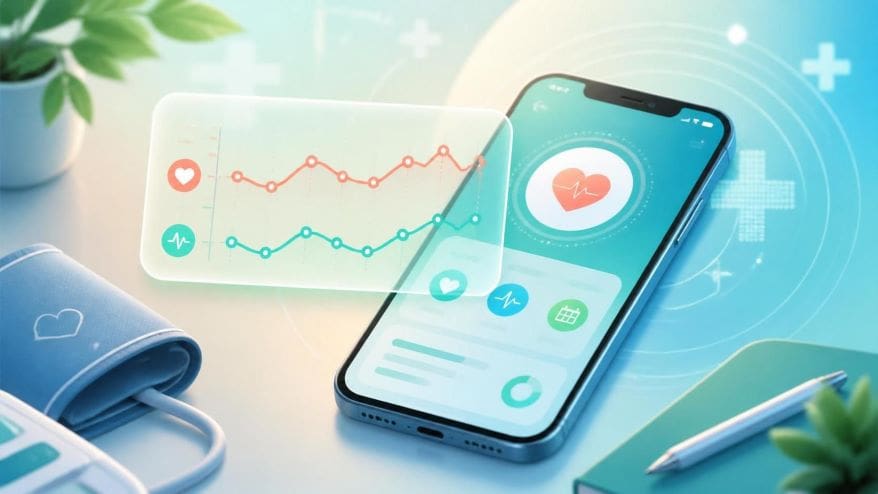
As a pharmacist and health science reporter, I’ve watched countless patients struggle with hypertension. Using a blood pressure tracking app can make a big difference for those aiming to get their numbers under control. The statistics are sobering: nearly half of American adults have high blood pressure, yet only one in four gets it under adequate control.
After reviewing the latest CDC surveillance data, current clinical guidance from the National Institutes of Health, and newer digital health innovations, a clear pattern emerges. A reliable blood pressure tracking app may be one of the most practical tools you can add to your hypertension management routine in 2026.
Understanding Blood Pressure Tracking Apps: Why They Matter for Your Health
First, let’s look at why these apps have become so important. The CDC’s latest data show that high blood pressure contributes to nearly 700,000 deaths each year in the United States.
At the same time, this problem often goes unnoticed for a long time. Many people with high blood pressure don’t know they have it until complications develop. For that reason, a blood pressure tracking app helps close the gap. It makes monitoring easier to do, more consistent, and more useful—so people can spot changes earlier.
The Science Behind Home Blood Pressure Monitoring
Home monitoring of blood pressure is clinically important. NIH research shows that home readings are often more accurate than office readings. This is because home tests reduce “white coat hypertension,” the stress-related spike some people get at clinics. If you track readings regularly with a blood pressure app, you create a clearer picture of your heart health. Your doctor can’t see this level of detail from occasional visits.

FIG. 1: Blood Pressure Monitoring
Why Digital Tracking Outperforms Pen and Paper
I’ve seen many patients keep careful paper logs. Even so, paper records have limits. It’s easy to miss entries, and the data is difficult to review. It’s also tough to share with your doctor. A blood pressure tracking app fixes these issues. It records readings, shows clear trends, and lets you share results safely with your medical team.
More importantly, moving from paper to digital improves both accuracy and engagement. Apps can remind you at set times. They can also alert you right away if a reading looks too high or too low.
In addition, many apps connect blood pressure to habits like exercise, sleep, and medication timing. This helps turn numbers into clear, useful health insights.
Essential Features to Look for in a Blood Pressure Tracking App
Now that you know why these tools matter, let’s look at what makes one app better than another.
Not all blood pressure apps offer the same value. After reviewing many options, I found the features that make an app truly helpful—and the ones that only add noise.
Automated Data Synchronization and Device Compatibility
To begin with, the most effective blood pressure tracking app connects seamlessly with Bluetooth-enabled monitors. Manual entry is better than nothing, but it introduces friction and potential errors that undermine consistency. Therefore, look for applications that support multiple device brands and offer automatic synchronization without requiring constant re-pairing.
Additionally, premium monitors that integrate directly with your app can detect irregular heartbeats. This provides an extra layer of cardiac monitoring that goes beyond simple blood pressure measurement.
Intelligent Pattern Recognition and Trend Analysis
Raw numbers without context can be difficult to understand. The good news is that many advanced blood pressure apps use machine learning to find useful patterns. For example, they may spot higher readings in the morning before medication, changes after meals, or stress-related increases during work hours. In other words, a strong blood pressure tracking app doesn’t just record your data—it helps explain what it means.
Furthermore, when you can see your blood pressure trends over days, weeks, and months, you get clearer insights. As a result, you and your doctor can make better, more targeted choices, such as adjusting medication timing or dosage or making lifestyle changes.
Medication and Lifestyle Tracking Integration
Effective hypertension management extends far beyond measurement. The best applications include features for logging:
- Medication adherence: Track when you take your medications and receive reminders
- Physical activity: Log exercise sessions and see their impact on your readings
- Dietary sodium intake: Record meals and identify blood pressure triggers
- Sleep quality and duration: Correlate rest patterns with morning readings
- Stress levels: Note emotional states and their cardiovascular effects
When your blood pressure tracking app captures these contextual factors, you can identify exactly what drives your numbers up or down. This personalized insight is invaluable for sustainable management.
Secure Data Sharing with Healthcare Providers
Your health data is most valuable when it informs clinical decisions. For this reason, look for applications that offer:
- Secure sharing of reading logs with your physician
- Exportable PDF reports formatted for medical records
- Integration with major EHR systems like Epic or Cerner
- Telehealth capabilities for virtual consultations
The CCDC’s surveillance program emphasizes that data sharing between patients and providers improves outcomes. As a result, applications that facilitate this communication are worth prioritizing.
How to Choose the Right Blood Pressure Tracking App for Your Needs
With hundreds of options available, selecting the right application can feel overwhelming. However, here’s a practical framework based on my clinical experience and recent CDC reports on digital health technologies.
Clinical Validation and Regulatory Considerations
First, does the app have a clinic app proof? The FDA regulates some software as a medical device when it supports diagnosis or treatment decisions. Because many blood pressure apps are sold as “wellness” tools, they may not need the same level of evidence. However, if an app makes clinical claims, it should have published studies showing it measures accurately.
In addition, apps connected to major hospitals or research programs often go through stricter testing. Furthermore, OSHA guidance for workplace wellness programs encourages the use of tools that meet accepted accuracy standards. So, if you’re choosing an app for personal use, that can be a useful benchmark.
Privacy, Security, and Data Ownership
Blood pressure data is protected health information. Therefore, before downloading any application, carefully review its privacy policy. Ask these questions:
- Is data encrypted both in transit and at rest?
- Does the app share information with third parties, such as advertisers or insurers?
- Is it possible to export or permanently delete your data?
- Is the company HIPAA-compliant?
I’ve encountered patients who chose convenience over security, only to discover that someone was monetizing their health data without their knowledge. Your health information is sensitive—treat it accordingly.
User Experience and Long-Term Engagement
The best blood pressure tracking app is the one you’ll actually use consistently. For this reason, look for:
- Intuitive interface with clear visualizations
- Customizable reminders that fit your schedule
- Educational content that explains your readings
- Community features offering social support
- Responsive customer support for technical issues
Test drive a few options before committing. Most quality applications offer free trials or limited free versions. Use these periods to evaluate which app feels natural and sustainable for your daily routine.
Practical Strategies for Maximizing Your Blood Pressure Tracking App
Even the best app won’t help Appy if you use it the wrong way. Here are simple, evidence-based tips to get the most from your blood pressure tracking app.
Establishing a Consistent Measurement Protocol
The CDC provides clear guidelines for accurately monitoring blood pressure at home. Follow these steps for reliable readings:
- Measure at consistent times—typically morning before medication and evening before dinner
- Use a properly fitted cuff on a bare arm at heart level
- Sit quietly for five minutes before taking any measurements
- Take two or three readings one minute apart and record the average
- Avoid caffeine, exercise, and smoking for 30 minutes before measuring
Your blood pressure tracking app should guide you through this protocol. Many applications include built-in timers and step-by-step instructions to ensure consistency across readings.
Setting Meaningful Goals and Alerts
Work with your healthcare provider to establish personalized target ranges. Once configured in your app, enable ALEApp for:
- Readings that exceed your established threshold
- Rapid changes from your baseline patterns
- Missed measurement sessions that create data gaps
- Medication timing reminders for consistent adherence
These gentle nudges transform sporadic tracking into a consistent habit that drives real health improvements.
Using Your Data During Medical Appointments
Don’t just collect data—leverage it. Before your next appointment, review your blood pressure tracking app logs and prepare to discuss:
- Times of day when readings are consistently elevated
- Activities or situations that trigger significant spikes
- How well does your current medication regimen control your numbers
- Any correlations with symptoms like headaches, dizziness, or fatigue
Patients who arrive with organized tracking data have more productive conversations with their providers. You’ll spend less time recalling details and more time strategizing improvements.
Common Mistakes to Avoid When Using Blood Pressure Tracking Apps
Even well-intentioned users can undermine their progress. Here are the most common pitfalls I observe, along with how to avoid them.
Obsessive Checking and Measurement Anxiety
Some people check their blood pressure many times a day, especially when they feel worried. This can turn into a vicious loop: stress raises your reading, and then you check again.
So, follow the schedule your clinician recommends. Furthermore, focus on the overall trend, not on a single number. Your app is meant to allow patterns over time, not to judge a single reading.
Ignoring Contextual Factors
Your app can only give useful insights if you add context. If you skip notes about exercise, meals, medication, or stress, it’s harder to spot what triggers higher or lower readings.
So, add a short note to each reading. Even a simple note like “before coffee” or “after workout” helps. Over time, these details can show clear patterns.
Switching Applications Too Frequently
Consistency matters more than features. When people switch apps every few months, they lose past data. As a result, it becomes harder to see trends.
So, please choose a reliable blood pressure app and stick with it unless you have a strong reason to change. In the end, long-term data yields the best insights.
Conclusion: Blood Pressure Tracking App
Hypertension doesn’t announce itself with warning bells. Instead, it works silently, gradually increasing your risk of heart attack, stroke, and kidney damage over years and decades. A quality blood pressure tracking app provides the visibility and accountability you need to stay ahead of this dangerous condition.
The evidence is clear: people who monitor their blood pressure consistently achieve better blood pressure control, experience fewer complications, and live longer, healthier lives. The technology exists today, and it’s more accessible than ever.
Frequently Asked Questions About Blood Pressure Tracking Apps
Can a blood pressure tracking app replace my doctor?
No, these apps are monitoring tools, not diagnostic devices. They complement medical care by providing data your doctor can use to make informed treatment decisions.
Are blood pressure tracking apps accurate enough for clinical use?
When paired with validated Bluetooth monitors, most apps provide clinically acceptable accuracy. Always verify your device has passed established validation protocols.
How often should I measure my blood pressure using the app?
The CDC recommends morning and evening readings for most people. Your doctor may suggest a different schedule based on your specific condition and treatment plan.
Is my blood pressure data safe in these applications?
Reputable apps use encryption and comply with HIPAA regulations. Always review privacy policies before sharing your health information with any digital platform.
Can I share my app data directly with my healthcare provider?
Most quality applications offer secure sharing features, including PDF exports and direct integration with electronic health record systems used by major medical networks.
References
- Centers for Disease Control and Prevention. (2024). About High Blood Pressure. https://www.cdc.gov/high-blood-pressure/about/index.html
- Liu, L., Guo, J., Jiao, X., et al. (2025). The effect of digital therapeutics intervention on improving hypertension management in adults: A meta-analysis of randomized controlled trials. Hypertension Research, 48, 456–469. https://doi.org/10.1038/s41440-024-01892-4
- The digital prescription: A systematic review and meta-analysis of smartphone apps for blood pressure control. (2025). International Journal of Medical Informatics, 195, 105755. https://doi.org/10.1016/j.ijmedinf.2024.105755
- Author
- Latest Posts

Ramya Dobbala is a pharmacist and science communicator dedicated to bridging the gap between complex pharmaceutical research and public understanding. A 2024 B.Pharmacy graduate, Ramya has a strong foundational background in formulation science, having spearheaded research into the evaluation and formulation of anti-acne creams. Her work focused on optimizing topical delivery systems to enhance treatment efficacy and skin health.
Transitioning from the laboratory to the forefront of scientific discourse, she now leverages her technical expertise to translate intricate healthcare concepts into accessible, engaging content. As an author and communicator, Ramya is passionate about empowering audiences with evidence-based insights, particularly in the realms of dermatology and pharmaceutical innovation.