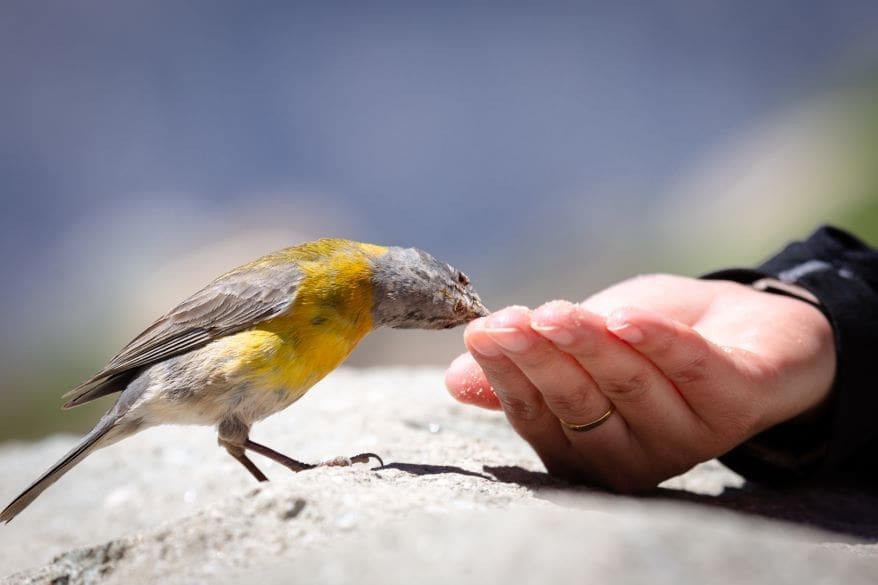
Parental care plays a key role in chick survival under changing climate conditions. Feeding supports growth, reduces cold stress, and improves stability in early development stages.
Climate Change and Birds: How Temperature Shapes Nestling Growth
Cold air changes shape of tiny chicks very fast. Their bodies lose heat each morning. Scientists tracked these changes in wild bird nests. They found clear links with changing weather. Climate change and birds show strong early stress patterns. In general, high school science explains these effects clearly. Physics and biology both guide this understanding well. Energy loss reduces growth and lowers survival chances. In short, weather shifts increase stress on young birds. All in all, this research shows clear patterns in nature. Young chicks face strong cold stress early.
TL;DR ‘Climate Change and Birds’
Climate change and birds show strong early growth limits in nests. In general, cold air slows growth and lowers chick weight. In short, smaller chicks lose heat faster and get less food. On one hand, feeding helps growth; on the other hand, cold reduces survival chances. All things considered, early life stages face the highest risk. In effect, temperature and food together shape chick survival.
Key Takeaways
- Early-stage chicks face the highest temperature stress
- Smaller chicks grow slower in cold conditions
- Feeding levels affect survival and growth
- Climate shifts increase risks for young birds
How Temperature Affects Growth
Climate change and birds show weak heat control in early life. Young chicks depend on parent warmth and safe nests. Cold days slow body work and reduce growth speed. Scientists measured chick weight each day with care. They compared cold days with mild days closely. In short, growth dropped more during colder periods. Over time, older chicks handled cold much better. Their bodies learned heat control step by step. In effect, body heat control improves growth rate steadily.
What Scientists Observed
In fact, climate change and birds studies used many barn swallow nests. Researchers tracked over one hundred chicks closely. Feeding and temperature data were recorded together. In general, smaller chicks showed larger growth drops. Bigger chicks stayed more stable during cold days. This matches basic biology lessons from class. In short, energy balance shapes how organisms grow. All things considered, growth data shows clear temperature effects.
Why Smaller Chicks Struggle More
Climate change and birds studies show small chicks need more energy. They lose heat faster in cold air. Their size makes survival harder during cold days. They also get less food than siblings. This creates strong competition inside the nest. To put it another way, size affects survival chances clearly. Scientists saw the smallest chicks fall behind often. In short, food and warmth both matter greatly. Small size increases heat loss very fast..
Key Factors That Influence Growth
To enumerate, key factors include:
- Body size within the nest
- Food supply from parents
- Daily temperature swings
These factors connect with school science topics clearly. Climate change and birds show how heat transfer affects survival. Heat transfer explains how energy leaves the body. Surface area plays a key role in heat loss. Students study these ideas in physics classes. In general, this research shows real use of these concepts. In short, heat transfer links with animal survival clearly.
The Role of Parental Care

Feeding becomes very important for climate change and birds. Parents bring insects to feed their chicks daily. Cold weather reduces insect activity outside. Less food reaches the nest during cold days. Provided that food stays high, chicks grow better. Scientists found feeding protects chicks from cold stress. In general, better-fed chicks show stronger growth patterns. In short, parental feeding supports stable growth during stress.
Practical STEM Learning
Physics explains heat loss and insulation in climate change and birds. Biology shows growth and metabolism in young chicks. Ecology links climate effects with species survival. In general, these links help students learn better. Subjects work together in real situations. Knowledge becomes useful beyond exams. In short, students can apply ideas in projects and research. Field data and analysis build strong skills. STEM skills support real applications effectively.
Climate Change and Future Risks
Weather patterns are changing fast for climate change and birds. Cold and heat swings are more common now. Young birds face unstable conditions each season. In general, early growth stages remain most sensitive. In effect, survival rates may drop over time. Bird populations could decline in many regions. Birds play key roles in ecosystems. In short, their loss affects food chains strongly. Climate shifts threaten bird populations slowly.
Why This Matters for Students
With this in mind, climate change and birds research builds strong STEM interest. Students can study ecology, data, and climate science. Careers in environmental research are growing fast. Fieldwork and lab work both offer real opportunities. In general, learning connects with real problems. In short, students can help solve future challenges. Science gives tools to study nature clearly. Young learners can drive future change strongly..
Frequently Asked Questions
What are developmental constraints in nestlings?
Developmental constraints refer to limits during early growth stages, such as immature thermoregulation. These constraints determine how well nestlings cope with environmental stress. As a result, younger birds are more sensitive to temperature changes than older ones.
Why do young chicks suffer more in cold?
Climate change and birds show young chicks suffer more in cold conditions. In general, they cannot control body heat and lose energy fast. In short, small size and low food make survival harder. All things considered, early life stages face the highest cold stress.
How does food help chick growth?
Climate change and birds show food helps chick growth in many ways. In general, food gives energy for warmth and body development. In short, well-fed chicks grow faster and handle cold better. All things considered, food improves survival during temperature stress.
Reference
Wada, H., et al. (2026). The effects of temperature on nestling growth depend on developmental constraints. PLOS ONE, 21(4), e0334815. https://doi.org/10.1371/journal.pone.0334815
- Author
- Latest Posts

I completed my Master of Science from the University of Allahabad in 2017 with a strong academic background in life sciences and chemistry. My specialization included Molecular Biology, Microbiology, Genetics, Plant Breeding, Phycology, Paleobotany, and Bioinformatics, along with Organic Chemistry, Inorganic Chemistry, and Physical Chemistry. This multidisciplinary training provided me with a comprehensive understanding of biological systems and analytical scientific approaches.
After completing my postgraduate studies, I gained valuable professional experience in both the education and social development sectors. I worked at A.M. Oxford Public School, where I was actively involved in guiding students toward academic excellence. In this role, I focused on creating an engaging learning environment, encouraging critical thinking, and nurturing students’ curiosity for scientific learning. My experience as an educator strengthened my communication, mentoring, and classroom management skills.
In addition to my teaching experience, I worked with Jeevan Jagriti Foundation, where I contributed to community-based initiatives aimed at improving educational access and awareness among underprivileged sections of society. Through this work, I participated in programs designed to support social development and promote the value of education in marginalized communities.
These professional experiences helped me develop strong interpersonal, leadership, and organizational skills while reinforcing my commitment to education and community service.