For a fungus, they may use a safe spray. If the problem is a virus, they will tell you to pull the plant out. For poor soil, they add nutrients.
Plant Pathologist Career: How to Diagnose & Treat Plant Diseases
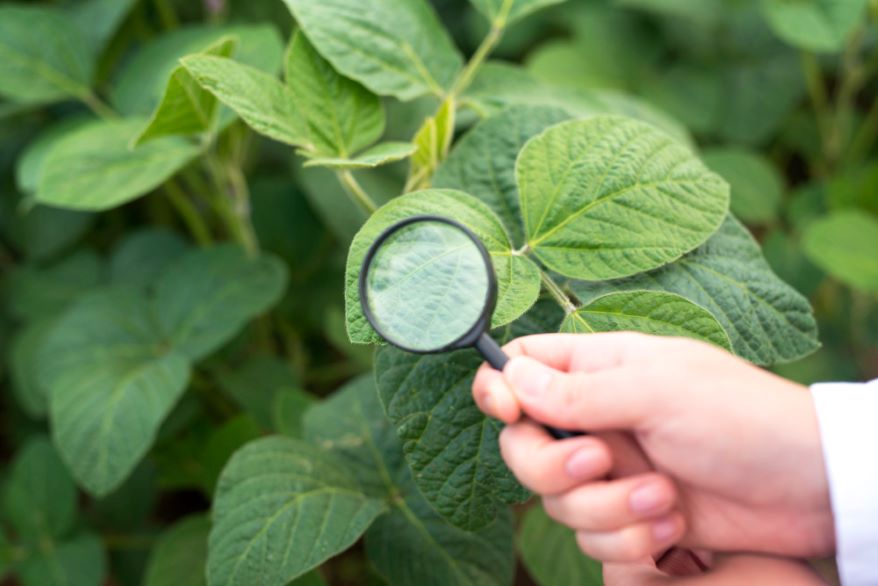
A plant pathologist is a scientist who helps sick plants. Their main job is plant disease diagnosis: finding out what is wrong. To do this, they look at the plant’s spots, wilts, or odd colors. They might examine the roots, leaves, or stem. They also look at tiny germs with a microscope. Once they know the problem, they pick the best solution. This could be cutting off sick parts, changing the soil, or adding safe sprays. With a clear diagnosis, they save plants and help gardens grow strong.
Key Takeaways
A plant pathologist is a plant doctor. Their main job is plant disease diagnosis. This means they find out what is making a plant sick. They look at the leaves, stems, and roots. They examine for spots, rot, or wilting. Once they know the cause, they choose a solution. For a fungus, they may use a safe spray. If the problem is a virus, they will tell you to pull the plant out. For poor soil, they add nutrients. They also teach you how to stop new diseases. This job helps keep our food and gardens safe and strong.
Importance of Plant Disease Management in Agriculture
Plant disease management is essential for farming. It helps keep our food safe to eat. It also helps farmers grow more crops. A key part of this process is plant disease diagnosis. This means finding out what is making a plant sick. When farmers know the exact problem, they can act fast. They do not waste time or money on wrong fixes. A good diagnosis can stop a small problem from turning into a big one. It saves the crop and keeps food prices low. It also means less need for strong chemicals. Thus, smart disease management helps the farm, the food supply, and the earth.
Essential Skills Needed in Plant Pathology
First, a plant pathologist needs keen eyes. They must spot small clues on leaves and stems. Next, they need to know how to use a microscope. Furthermore, it helps them see tiny germs. Also, plant disease diagnosis is a key skill. This process involves putting all the clues together to name the sickness. Then, they need to know the right fix. For example, they pick a safe spray or change the soil. Finally, they need to share what they learn. They tell farmers or gardeners in plain words. So, with these skills, they keep plants healthy and food safe.
Diagnostic Tools Used by Plant Pathologists
First, plant pathologists use their eyes. They look at leaves and stems for spots or wilts. Next, they use a hand lens to see small clues up close. Then, a big tool is a microscope. It helps them see tiny germs like fungi and bacteria. Furthermore, they use special tests. For example, they put a bit of the sick plant in a dish to see what grows. This is part of plant disease diagnosis. Finally, they might use DNA tests. These tests are fast and very exact. So, with all these tools, pathologists can determine the true cause of the illness. This helps them pick the best fix.
Role of Microscopy in Plant Disease Diagnosis

Microscopy plays a big role in plant disease diagnosis. It lets plant pathologists see things too small to see with the naked eye. For example, they can spot tiny fungi, bacteria, or viruses on a leaf. First, they take a thin slice from the diseased part of the plant. Then, they put it on a glass slide and look through the microscope. This tool makes the germs much bigger. Now, they can see their shape and size. This helps them name the exact germ causing the problem. So, with a microscope, the diagnosis is fast and clear. A clear diagnosis means a better fix for the plant.
Biological Control of Plant Diseases
First, biological control uses beneficial organisms to fight harmful ones. It is a safe way to stop plant diseases. For example, some fungi and bacteria eat the germs that make plants sick. Also, helpful bugs can eat the pests that spread disease. Before a farmer starts, plant disease diagnosis is key. This step helps them find the exact problem. Then, they can choose the right beneficial germ to use. So, instead of using strong chemicals, they use natural methods to fix the problem. Finally, this method keeps the soil and food safe. It is a smart and gentle way to help plants grow strong.
Frequently Asked Questions
What is a plant pathologist?
A plant pathologist is a plant doctor. They study what makes plants sick. They identify the cause of the problem. Then, they work out how to stop it. A big part of their job is plant disease diagnosis. This means they examine the plant and identify the disease. With that answer, they pick the best fix. They help save crops, trees, and garden plants from harmful germs.
What qualifications are needed to become a plant pathologist?
First, most plant pathologists earn a bachelor’s degree. They study plant science, agriculture, or biology. These are useful starting points. Next, for research or high-level jobs, they need more school. They often obtain a master’s degree or a Ph.D. in plant pathology. During this time, they learn a key skill: plant disease diagnosis.
How do plant pathologists diagnose plant diseases?
First, plant pathologists look at plants in the field. They examine plants for spots, wilts, and odd colors. Next, they take samples to a lab. There, they use a microscope to see tiny germs. Then, they grow the germs in a dish to study them. Finally, they use specialized tests such as PCR and DNA analysis. These tests are very fast and accurate. All these steps are part of plant disease diagnosis
References
- Li, L., Zhang, S., & Wang, B. (2021). Plant disease detection and classification by deep learning—A review. IEEE Access, 9, 56683–56698. https://doi.org/10.1109/ACCESS.2021.3069646
- Bhagat, S., Kokare, M. B., Haswani, V., Hambarde, P., Taori, T., Ghante, P. H., Patil, D. K., & Patil, D. (2024). Advancing real-time plant disease detection: A lightweight deep learning approach and novel dataset for pigeon pea crop. Smart Agricultural Technology, 7, 100408. https://doi.org/10.1016/j.atech.2024.100408
- Author
- Latest Posts

I completed my Master of Science from the University of Allahabad in 2017 with a strong academic background in life sciences and chemistry. My specialization included Molecular Biology, Microbiology, Genetics, Plant Breeding, Phycology, Paleobotany, and Bioinformatics, along with Organic Chemistry, Inorganic Chemistry, and Physical Chemistry. This multidisciplinary training provided me with a comprehensive understanding of biological systems and analytical scientific approaches.
After completing my postgraduate studies, I gained valuable professional experience in both the education and social development sectors. I worked at A.M. Oxford Public School, where I was actively involved in guiding students toward academic excellence. In this role, I focused on creating an engaging learning environment, encouraging critical thinking, and nurturing students’ curiosity for scientific learning. My experience as an educator strengthened my communication, mentoring, and classroom management skills.
In addition to my teaching experience, I worked with Jeevan Jagriti Foundation, where I contributed to community-based initiatives aimed at improving educational access and awareness among underprivileged sections of society. Through this work, I participated in programs designed to support social development and promote the value of education in marginalized communities.
These professional experiences helped me develop strong interpersonal, leadership, and organizational skills while reinforcing my commitment to education and community service.