Plant Biotechnology Careers: From Laboratory Research to Field Applications
Biotechnologist Career: Engineering Plants for Agriculture & Medicine

A Biotechnologist is a scientist who specializes in working with plants. They change plant genes to improve them. This process is called plant engineering in Plant biotechnology careers. Their work helps both farming and medicine. First of all, they help agriculture. They make crops that can fight bugs. They also make plants that need less water. As a result, farmers grow more food with less work. For example, they can make corn that resists drought. They can also make rice that has more vitamins. This helps people stay healthy. In addition, they help medicine. Some plants can be used to make drugs. For instance, they can engineer tobacco plants to make vaccines. They can also change algae to produce insulin. This is a new way to make medicine cheap and fast.
Key Takeaways: Plant Biotechnology Careers
A biotechnologist modifies plant genes to help agriculture and medicine. First, they make crops stronger. They add genes that fight bugs. They also add genes that save water. As a result, farmers grow more food. Second, they help make medicine. They engineer plants to produce drugs. For example, they make tobacco plants create vaccines. They also make algae create insulin.
Biotechnology in Agriculture: Plant Biotechnology Careers
Biotechnology in agriculture helps farmers grow better food. A Biotechnologist leads this work. They change plant genes to solve big problems. First, they make crops resist pests. They add a gene that kills harmful bugs. As a result, farmers use less chemical spray. This keeps the soil and water clean. Second, they help plants survive drought. They identify genes from hardy plants. They put these genes into crops like corn or wheat. These new plants need less water. This protects the food supply during dry years. Third, they improve plant nutrition. For example, they add vitamins to rice. This is called golden rice. It helps people who lack vitamin A. As a result, fewer people go blind from a poor diet. Fourth, they make crops grow faster. They change genes to accelerate plant growth. This gives farmers more harvests each year. This helps feed a growing world.
Genetic Engineering in Crop Improvement
Genetic engineering helps farmers grow better crops. First of all, scientists take useful genes from one plant. Then they put these genes into another plant. As a result, the new plant has strong traits. For example, it can fight bugs on its own. This means farmers need less spray. In addition, it can survive in dry weather. This technique helps food grow even with less rain. Moreover, scientists add genes for more vitamins. For instance, they make rice with extra vitamin A. This helps people stay healthy.
CRISPR and Genome Editing Technologies in Plants
CRISPR is a powerful new tool for plant science. First of all, it lets scientists change plant genes very precisely. They do not need to add genes from other species. Instead, they just cut or fix the plant’s own DNA. This makes the process faster and safer. As a result, scientists can improve many crop traits in Plant biotechnology careers. For example, they can make wheat resist fungus. In addition, they can make tomatoes grow bigger. They can also make soybeans produce more oil. Moreover, CRISPR helps plants handle stress. For instance, they can survive heat, cold, or drought. This is very important for climate change.
Role of Plant Biotechnology in Career Growth
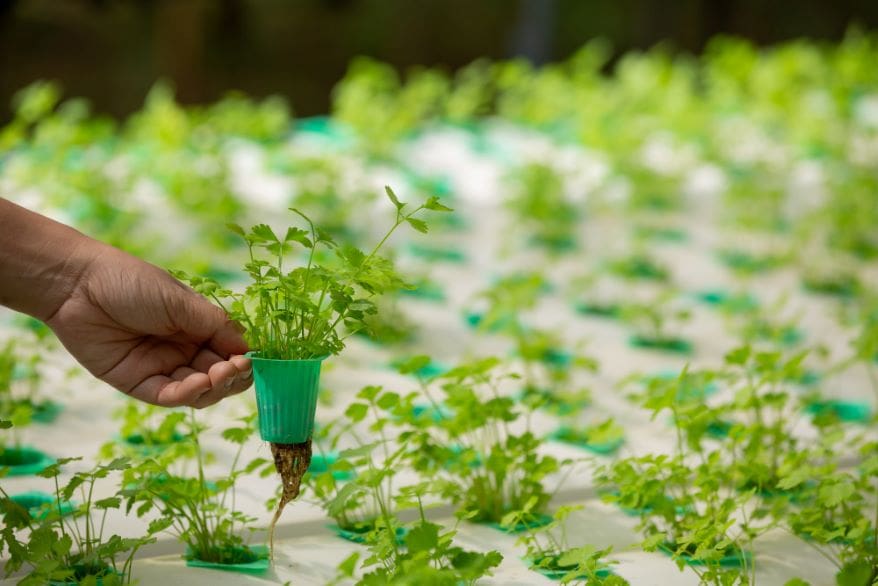
Plant biotechnology plays a big role in our daily lives. First of all, it helps us grow more food. Scientists change plant genes to make crops bigger and stronger. As a result, farmers can feed more people. In addition, it protects plants from pests and diseases. This means farmers use fewer chemicals. Therefore, the environment stays cleaner. Moreover, plant biotechnology helps fight hunger by creating careers in the field. For example, scientists add vitamins to rice and corn. This provides poor communities with better nutrition.
Molecular Biology Tools Used in Plant Biotechnology
Molecular biology tools help scientists study and change plants. First, they use a tool called PCR. This tool copies small pieces of DNA. As a result, scientists can easily study plant genes. In addition, they use gel electrophoresis. This tool separates DNA by size. This helps them see if a gene is present. Moreover, scientists use DNA sequencing. This tool reads the order of DNA letters. Therefore, they can identify genes that control traits such as drought resistance in Plant biotechnology careers.
Biotechnology Applications in Sustainable Agriculture
Biotechnology helps farmers grow food smartly and safely. This is called sustainable agriculture. First of all, scientists create crops that need less water. As a result, farmers save water resources. In addition, they make plants that resist pests on their own. This means farmers use fewer chemical sprays in Plant biotechnology careers. Therefore, the soil and water stay clean. Moreover, biotechnology reduces the need for chemical fertilizers. Scientists engineer plants that take up nutrients better. This reduces pollution from farms.
Career Opportunities in Plant Genetic Engineering
Plant genetic engineering offers many exciting career paths in plant biotechnology. First of all, you can work as a research scientist. You study plant genes in a lab. You use tools like CRISPR to change DNA. As a result, you create crops with better traits. You can also work for a seed company. You help make new corn, wheat, or rice varieties. These crops resist pests or grow faster. Moreover, you can work for a biotech firm. You engineer plants to produce medicines. For example, you can make tobacco plants create vaccines.
Frequently Asked Questions: Plant Biotechnology Careers.
What does a plant biotechnologist do?
A plant biotechnologist works specifically with plants. First of all, they use genetic engineering. This means they change plant genes to improve them. In addition, they use molecular biology. This helps them study plant DNA closely. They also use other biotechnology tools. As a result, they can improve plants in many ways.
How is plant biotechnology used in medicine?
Plant biotechnology careers help make medicine. First of all, scientists use plants to produce vaccines. These vaccines protect people from diseases. In addition, they make therapeutic proteins. These proteins help treat sickness. Moreover, they create pharmaceuticals. These are drugs that heal the body. They also produce medicinal compounds. These are natural chemicals that fight illness.
What career opportunities are available for plant biotechnologists?
Plant biotechnologists can work in agricultural companies, biotechnology firms, pharmaceutical industries, research institutes, universities, government agencies, and environmental organizations.
References
- Venkataraman, S., & Hefferon, K. (2021). Application of Plant Viruses in Biotechnology, Medicine, and Human Health. Viruses, 13(9), 1697. https://doi.org/10.3390/v13091697
- Ranabhat, G., Dhakal, A., Ranabhat, S., Dhakal, A., & Aryal, R. (2020). Future perspective of plant biotechnology: A review. Reviews in Food and Agriculture, 1(1), 36–41. https://doi.org/10.26480/rfna.01.2020.36.41
.
- Author
- Latest Posts

I completed my Master of Science from the University of Allahabad in 2017 with a strong academic background in life sciences and chemistry. My specialization included Molecular Biology, Microbiology, Genetics, Plant Breeding, Phycology, Paleobotany, and Bioinformatics, along with Organic Chemistry, Inorganic Chemistry, and Physical Chemistry. This multidisciplinary training provided me with a comprehensive understanding of biological systems and analytical scientific approaches.
After completing my postgraduate studies, I gained valuable professional experience in both the education and social development sectors. I worked at A.M. Oxford Public School, where I was actively involved in guiding students toward academic excellence. In this role, I focused on creating an engaging learning environment, encouraging critical thinking, and nurturing students’ curiosity for scientific learning. My experience as an educator strengthened my communication, mentoring, and classroom management skills.
In addition to my teaching experience, I worked with Jeevan Jagriti Foundation, where I contributed to community-based initiatives aimed at improving educational access and awareness among underprivileged sections of society. Through this work, I participated in programs designed to support social development and promote the value of education in marginalized communities.
These professional experiences helped me develop strong interpersonal, leadership, and organizational skills while reinforcing my commitment to education and community service.