Degrees for Botany Careers: Top Programs and Career Opportunities
Best Degrees in Botany Careers: Choosing Your Educational Path
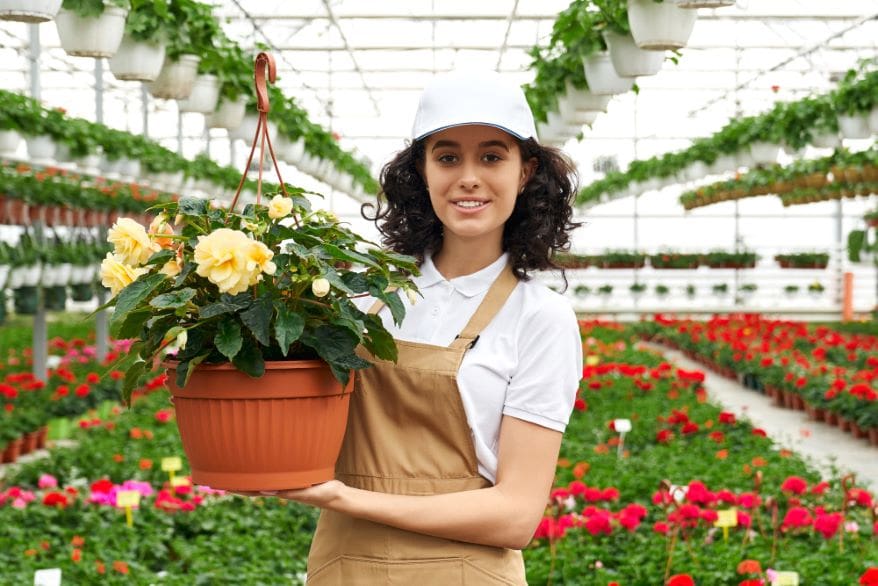
To launch a successful career in botany, your educational path should align with your specific interests within the plant sciences. However, a Bachelor of Science (BS) in botany or plant biology is the most direct and versatile foundation. Degrees in botany careers offer a comprehensive curriculum covering plant anatomy, physiology, taxonomy, ecology, and genetics. For those aiming for research and development, conservation management, or academic positions, a BS in biology with a concentration in botany or ecology is also an excellent choice. However, you may need to supplement it with specialized botany electives. To target high-level roles in genetic engineering, pharmaceutical botany, or university-level research, a master’s (M.S.) or doctorate (Ph.D.) is often essential. If your passion lies in applied fields, consider more specialized degrees. For example, a BS in horticulture prepares you for careers in landscaping, food production, or greenhouse management.
Key Takeaways
The best way to start a career in plants is to obtain a degree in botany or plant biology. This degree is a great base for most BS programs. You will learn how plants grow, work, and live in nature. If you want a job in a lab or with wild plants, a degree in biology with plant classes is also good. To get the best jobs in science or teaching, you will need a master’s or doctoral degree. If you like working with food or gardens, a degree in horticulture is a good fit. If you like forests, you should get a degree in forestry. If you want to work on nature cleanup or land conservation, a degree in environmental science is a good choice. No matter what you pick, find a school that lets you work outside and in a lab.
What Is Botany and Why Study It?
Botany is the study of plants. Plants are all around us. They include trees, flowers, grass, and even tiny algae. Botanists look at how plants live and grow. They also study how plants make food and help the Earth. Why should you study botany? Plants provide us with air to breathe. They also provide us with food. They also provide us with us medicine when we are sick. Without plants, we could not live. Studying plants helps us take care of our world. It helps us grow more food. It helps us discover new cures for illness. If you love nature, botany is a wonderful choice. We have the opportunity to work outside or in a lab. You learn how life works. You help solve big problems like hunger and climate change. Plants are quiet, but they do big things. Studying them lets you be part of that. It is a fun and important job for anyone who cares about life on Earth.
Bachelor’s Degrees for Botany Careers
Botany, or plant biology, is the one to pick. You learn all about plants. You study how they grow, eat, and make seeds. This degree works for many jobs. You can work in a lab, a park, or a farm. A biology degree is also useful. You take classes on animals and cells too. But you can focus on plant classes. This gives you more job options later. A horticulture degree is for growing things. You learn about gardens, food crops, and flowers. It is great for jobs at nurseries, farms, or parks. An environmental science degree is about nature as a whole. You learn how plants, water, and land work together. It is useful for jobs in conservation or in fixing damaged land. Forestry: If you love trees, pick this degree. You learn about forests, wood, and wild areas. It leads to jobs with parks or land agencies.
Top Master’s Degrees in Plant Science and Botany
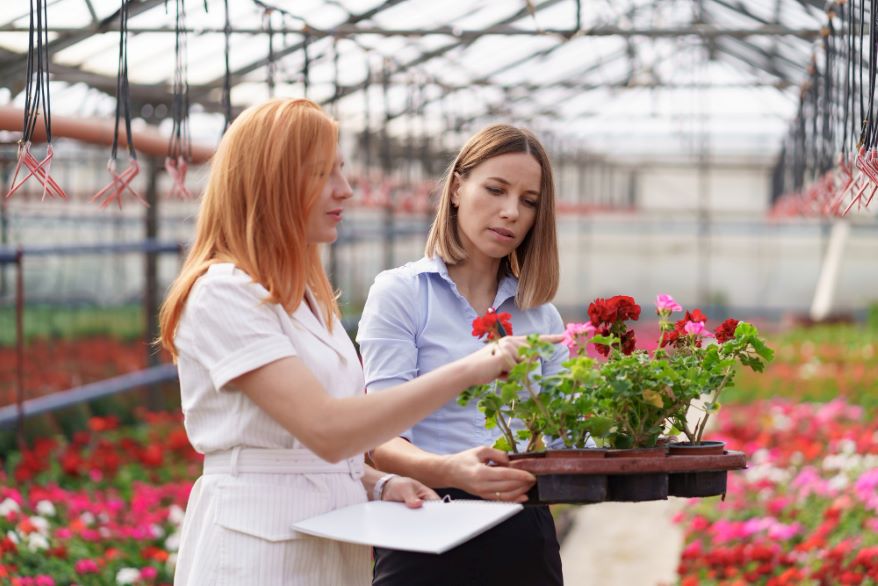
First, a master’s degree in plant science or botany is a great next step after college. It helps you go deeper into plant studies. You can pick a focus that fits your goals. For a master’s, a master’s in botany is good for general plant work. You learn more about how plants live and grow. This can lead to jobs in labs or parks. A master’s in plant biology is very similar. It looks at how plants work inside. You study genes. This is for research jobs. A master’s in horticulture is for growing things. You learn about crops, flowers, and oil. This helps with jobs on farms or in gardens. A master’s in plant pathology focuses on plant diseases. You study what makes plants sick. Then you discover ways to help them. This is beneficial for farms or food safety.
Skills You Need Alongside a Botany Degree
A degree in botany careers gives you great plant knowledge. However, you also need other skills to do well at work. First, you need to be good at watching things. Look at plants and take notes on what you see. Small details matter a lot. Next, you need to know how to use lab tools. For example, you might use a microscope or a scale. Practice using them in school. This helps you find a job later.
Future Scope of Botany Careers in 2026
A botany degree gives you great plant knowledge. However, you also need other skills to do well at work. First, you need to be good at watching things. Look at plants and take notes on what you see. Small details matter a lot. Next, you need to know how to use lab tools. For example, you might use a microscope or a scale. Practice using them in school. This helps you find a job later.
Frequently Asked Questions
What is the best degree for starting a career in botany?
A bachelor’s degree is the best way to begin. For example, you can pick botany, plant science, biology, or environmental science. These programs teach you what you need to know. As a result, you learn about plant biology and how plants live. In addition, you study ecology. This is how plants work with nature. Furth
Moreover, you learn about genetics. This process is how plants pass on traits. Finally, you gain lab skills. You learn how to run tests and study plants up close. Overall, these degrees give you a strong base for a good job with plants.
Which specializations offer the best career opportunities in botany?
There are many popular areas to focus on. For example, you can study plant biotechnology. This field is about changing plants in a lab. You can also study plant genetics. This is about how plants pass on traits. Another choice is plant pathology. This program is about plant sickness. Horticulture is about growing gardens and food. Forestry is about trees and forests. Ecology is about how plants live with nature. Conservation biology is about saving plants. Agricultural science is about farming and crops.
Which skills are important alongside a botany degree?
First of all, some skills can really help your career grow. For example, you need strong lab skills. This means you know how to use tools and run tests. In addition, you should be good at plant identification. This means you can name plants and tell them apart. Moreover, data analysis is critical. You need to look at the numbers and find patterns. As a result, you can learn new things about plants. Another key skill is GIS.
References
- Botanical Society of America. (n.d.). Botany careers. ps://botany.org/home/careers-jobs/careers-in-botany.html
- Sidoti, B. J., Walsh, L. L., Parsley, K. M., Callis-Duehl, K., Hove, A. A., Liu, H., Uzcategui, M., Ospina, D., Bruce-Opris, H., Gonzalez, R., Baraloto, C., & McCartney, M. (2023). Characterizing the landscape of plant science careers in the United States I: Government and private sector perspectives. Plants, People, Planet, 5(5), 776–795. ps://doi.org/10.1002/ppp3.10375
- Author
- Latest Posts

I completed my Master of Science from the University of Allahabad in 2017 with a strong academic background in life sciences and chemistry. My specialization included Molecular Biology, Microbiology, Genetics, Plant Breeding, Phycology, Paleobotany, and Bioinformatics, along with Organic Chemistry, Inorganic Chemistry, and Physical Chemistry. This multidisciplinary training provided me with a comprehensive understanding of biological systems and analytical scientific approaches.
After completing my postgraduate studies, I gained valuable professional experience in both the education and social development sectors. I worked at A.M. Oxford Public School, where I was actively involved in guiding students toward academic excellence. In this role, I focused on creating an engaging learning environment, encouraging critical thinking, and nurturing students’ curiosity for scientific learning. My experience as an educator strengthened my communication, mentoring, and classroom management skills.
In addition to my teaching experience, I worked with Jeevan Jagriti Foundation, where I contributed to community-based initiatives aimed at improving educational access and awareness among underprivileged sections of society. Through this work, I participated in programs designed to support social development and promote the value of education in marginalized communities.
These professional experiences helped me develop strong interpersonal, leadership, and organizational skills while reinforcing my commitment to education and community service.