Genetically modified plants are plants with changed DNA. Scientists take a gene from one thing. They put it into the plant. This gives the plant a new skill. Some plants can fight bugs. Other plants…
Genetically Modified Plants Transform Modern Agriculture and Food
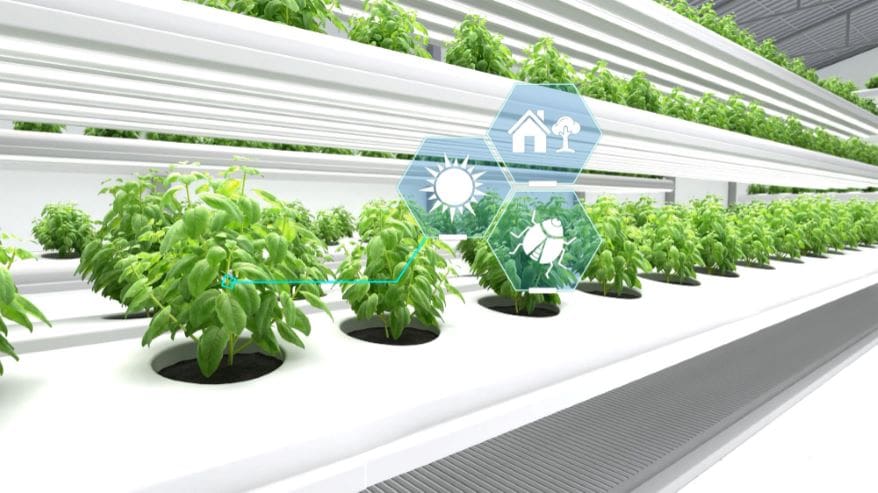
Genetically modified plants are plants with changed DNA. Scientists take a gene from one thing. They put it into the plant. This gives the plant a new skill. Some plants can fight bugs. Other plants can live with weed killer. This helps farmers grow more food. It also saves water and land. Some people worry about long-term safety. Others think it is a good tool to feed more people.
Key Takeaways
- Scientists change the DNA of plants.
- This gives plants new traits.
- Some plants can fight bugs.
- Other plants can survive weed killer.
- This helps grow more food.
- It uses less water and land.
- These plants are safe to eat.
- They need less pesticide spray.
- Some foods last longer on shelves.
- Some people worry about nature.
- Others see this as a good tool.
- It can help feed more people.
Methods Used to Create Genetically Modified Plants
- Scientists pick a gene from one living thing.
- This gene gives a plant a new skill.
- They use a tool to cut the DNA.
- One tool is called gene scissors.
- Another tool is a tiny gun.
- The gun shoots DNA into plant cells.
- Some methods use a small bug.
- The bug puts the new DNA into the plant.
- A special bacteria can also do this job.
- The bacteria joins the new DNA to the plant.
- Then the plant cell grows a new plant.
- This new plant has the changed DNA.
- Scientists check the plant for the new trait.
- All the baby plants share this new skill.
CRISPR and Gene Editing in Plants
In Genetically modified plants, CRISPR is a new tool for plant science. First, it acts like tiny scissors. These scissors cut plant DNA in a very exact spot. Then, scientists use CRISPR to change one small part of a gene. For example, they can turn a gene off. They can also fix a broken gene. As a result, this method is fast and cheap. Also, it is more precise than old ways. In fact, gene editing does not always add DNA from other things. Sometimes it only changes the plant’s own DNA. Because of this, crops can become stronger. For instance, they can fight disease or grow in dry soil. As a result, many people see this as a safe way to improve plants. In the end, it helps farmers grow more food with less waste.
Insect-Resistant Crops (Bt Crops)
In Genetically modified plants, Bt crops are plants with a special trait. First, scientists take a gene from a soil bug. The bug is called Bacillus thuringiensis, or Bt. This gene lets the plant make a protein. The protein is toxic to some bugs. But it is safe for people and animals. When a bad bug eats the plant, the bug gets sick and dies. As a result, the farmer does not need to spray poison on the crop. This saves money and work. It also keeps the soil and water clean. For example, Bt corn and Bt cotton are two common types. Because of this, these crops grow very well. In the end, they help farmers lose less food to pests.
Disease-Resistant Transgenic Plants
Disease-resistant transgenic plants in genetically modified plants are special crops. First, scientists add a new gene to the plant’s DNA. This gene helps the plant fight sickness. The sickness can be caused by a fungus, a virus, or a bacteria. Then, the new gene tells the plant to make a shield. This shield stops the germ from growing inside the plant. As a result, the plant stays healthy and strong. Because of this, farmers do not need to spray as much chemical on the crop. This saves time and money. It also keeps the food safe to eat. In addition, these plants can grow more food per acre. They help farmers lose less food to disease. In the end, this is a good way to feed more people.
Golden Rice: A Landmark GM Crop
Golden Rice is a special type of rice. First, scientists changed its DNA. They added genes from corn and a soil bug. This gives the rice a new skill. It makes beta-carotene. Then, the human body turns beta-carotene into vitamin A. Many people in poor countries do not get enough vitamin A. This can cause blindness and sickness. As a result, Golden Rice is a yellow color. That is why it is called golden. It looks different from white rice. But it tastes the same and cooks the same. People can eat it as a normal food. In fact, it helps them get more vitamins. In the end, this is a big step for health. It can save lives and prevent blindness in kids.
Environmental Benefits of GM Crops
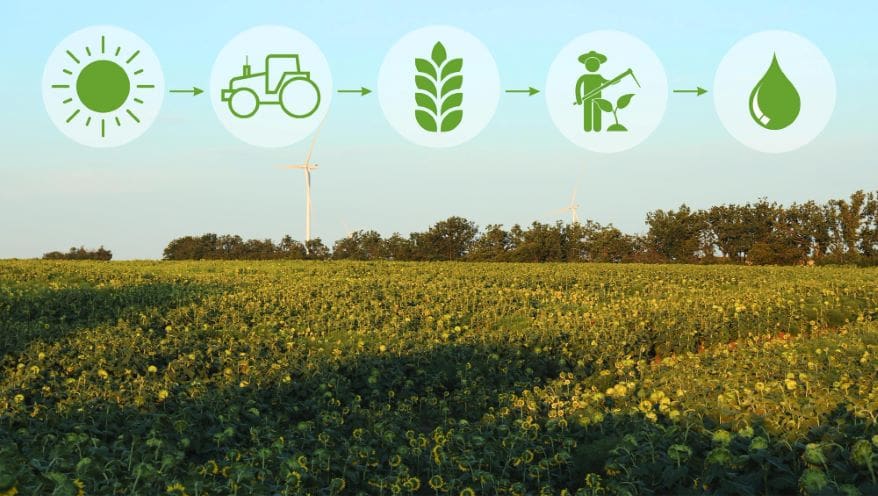
In Genetically modified plants, GM crops are good for the earth. First, they help farmers use less poison spray. This keeps the soil and water clean. It also saves good bugs and bees. Next, GM crops need less water to grow. They can live in dry soil. This saves a lot of water. Also, farmers do not need to plow the land as much. This stops the soil from washing away. It also keeps more carbon in the ground. In addition, GM crops grow more food on less land. This leaves more space for forests and wild animals. In the end, it is a smart way to protect nature while feeding people.
Public Perception of Genetically Modified Foods
People have different views on GM foods in Genetically modified plants. On one hand, some people think they are safe and good. They say GM foods help feed more people. They also say GM foods need less poison spray. On the other hand, other people do not trust GM foods. They worry about long-term health risks. They also worry about harm to nature. In addition, many people want GM foods to have a label on the package. They want to know what is in their food. For the most part, scientists say GM foods are safe to eat. But despite this, some people still feel scared. As a result, the debate is still going on. In conclusion, good information and clear labels can help people decide for themselves.
Role of GM Crops in Global Food Security
GM crops help feed the world. First of all, the world has many people. In fact, more people are born every day. As a result, farmers need to grow more food. But there is only so much land. As a result, GM crops help solve this problem. For example, farmers grow more food on each piece of land. In addition, they can live in poor soil. They can also live with less water. What is more, GM crops fight off bugs and disease. This means less food is lost or wasted. Because of this, farmers can grow food in hard places. This helps poor countries feed their people. On top of that, GM crops also last longer on the shelf. This means less food spoils before it is eaten. In conclusion, GM crops are a good tool to stop hunger. They help make sure everyone has enough to eat.
Edible Vaccines Produced by Genetically Modified Plants
Edible vaccines are a new idea. Scientists put a vaccine gene into a plant. The plant then makes a small part of a germ. This part is safe but teaches the body to fight the real germ. People eat the plant to get the vaccine. They can eat a banana or a tomato. This is easier than getting a shot. Edible vaccines does not need a needle or a nurse. It is cheap to make and store. It does not need a fridge. This helps poor countries where clean needles and fridges are hard to find. Edible vaccines can stop sickness like hepatitis or cholera. Scientists are still testing them. But they could save many lives in the future.
Future Trends in Plant Biotechnology
Plant biotechnology is always changing. Scientists are finding new ways to help crops. One big trend is gene editing. It is faster and more exact than old methods. Another trend is climate-proof crops. These plants can live in very hot or very dry weather. They can also grow in salty soil. Scientists are also working on plants that make more oxygen. This could help clean the air. Some labs are making plants that grow in the dark. This saves energy and space. Another trend is plants that make medicine. They can make drugs or vitamins inside the fruit or leaf. This could help sick people for less money. Scientists are also using AI to find good genes faster. This speeds up the work. In the future, we may see plants that clean pollution from the soil. Plant biotechnology will keep growing. It will help feed people and protect the planet.
Ethical Issues Surrounding Genetic Modification of Plants
People have many ethical questions about GM plants. Some worry it is not natural to change plant genes. They say it is like playing God. Others worry about safety. They ask if GM food is safe to eat for a long time. Some people worry about big companies. These companies sell most of the GM seeds. Farmers must buy new seeds every year. This costs a lot of money. Poor farmers may not afford it. Another worry is about mixing genes. GM plants can cross with wild plants. This could change nature in a bad way. Some people say GM plants are good. They say they help feed hungry people. They also say they use less poison spray. There is no easy answer. Both sides have good points. It is important to talk about these issues. People need clear facts to make up their own minds.
Frequently Asked Questions
What is a genetically modified plant?
A genetically modified plant is a plant with changed DNA. Scientists take a gene from one living thing and put it into the plant. This gives the plant a new trait. For example, it can fight bugs or grow in dry soil.
Are GM plants safe to eat?
Yes, many science groups say they are safe. They have been tested for many years. People in many countries eat them every day. But some people still worry. More tests are always being done to be sure.
How do GM crops help farmers?
GM crops help farmers in many ways. Farmers need less poison spray. They grow more food on the same land. They can live through dry weather. GM crop fight off bugs and disease. This saves farmers time, work, and money.
Reference
Ogienko, A. A., Surkova, E. S., & Omelina, E. S. (2026). Genetically Modified Plants in Agriculture. Biology, 15(12), 923. https://doi.org/10.3390/biology15120923
- Author
- Latest Posts

I completed my Master of Science from the University of Allahabad in 2017 with a strong academic background in life sciences and chemistry. My specialization included Molecular Biology, Microbiology, Genetics, Plant Breeding, Phycology, Paleobotany, and Bioinformatics, along with Organic Chemistry, Inorganic Chemistry, and Physical Chemistry. This multidisciplinary training provided me with a comprehensive understanding of biological systems and analytical scientific approaches.
After completing my postgraduate studies, I gained valuable professional experience in both the education and social development sectors. I worked at A.M. Oxford Public School, where I was actively involved in guiding students toward academic excellence. In this role, I focused on creating an engaging learning environment, encouraging critical thinking, and nurturing students’ curiosity for scientific learning. My experience as an educator strengthened my communication, mentoring, and classroom management skills.
In addition to my teaching experience, I worked with Jeevan Jagriti Foundation, where I contributed to community-based initiatives aimed at improving educational access and awareness among underprivileged sections of society. Through this work, I participated in programs designed to support social development and promote the value of education in marginalized communities.
These professional experiences helped me develop strong interpersonal, leadership, and organizational skills while reinforcing my commitment to education and community service.