Choosing a gate involves more than marking a property line. This decision directly influences security, defines visual character, and dictates long-term maintenance needs. Materials range from warmly traditional to starkly industrial, each possessing distinct virtues…
Material Matters: Selecting the Perfect Gate for Any Property
Estimated reading time: 3 minutes
Choosing a gate involves more than marking a property line. This decision directly influences security, defines visual character, and dictates long-term maintenance needs. Materials range from warmly traditional to starkly industrial, each possessing distinct virtues and limitations. Your selection must align with the property’s purpose, whether it’s a private home seeking charm or a commercial facility demanding absolute resilience. Navigating these options requires a clear view of what each substance offers.
Strength and Security Focus
For locations where deterrence is the foremost concern, specific materials provide unmatched performance. Steel stands as a paramount choice for formidable barriers, often fabricated into incredibly robust panels that resist forced entry. A related but distinct category includes industrial palisade gates, which utilize vertical steel panes to create a transparent yet intimidating perimeter, ideal for warehouses and utility compounds. While also metal, aluminum offers a lighter-weight alternative with excellent corrosion resistance, suitable for coastal environments or automated systems where heavy weight becomes a liability. These metallic solutions deliver superior strength but often carry a higher initial price and may need protective finishes to prevent rust over many years.
Classic Appeal and Natural Beauty
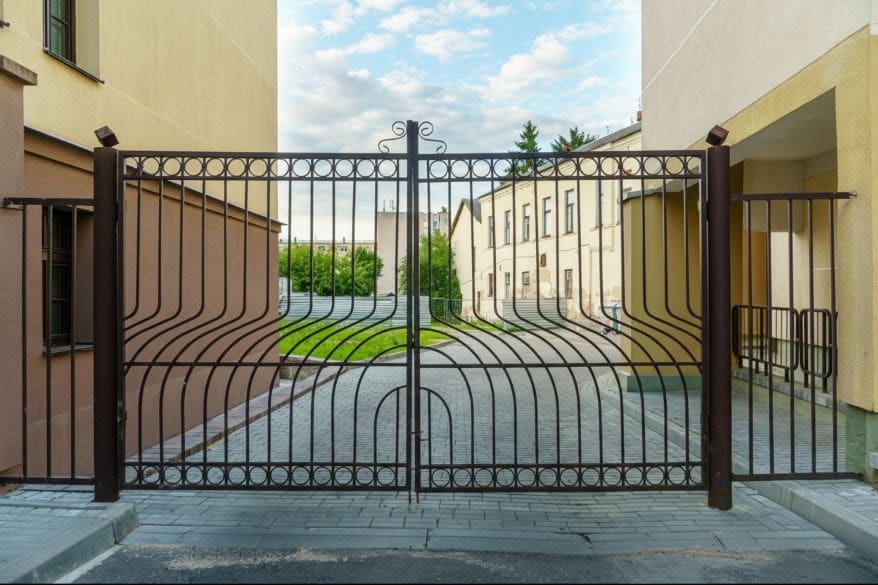
Many residential settings prioritize aesthetics alongside functionality, leading homeowners toward organic materials. Wood remains a perennial favorite for its warm, timeless appearance and unparalleled customizability. A craftsman can shape it into virtually any design, from a simple backyard picket fence to a grand, ornate entrance. This versatility comes with a cost, however, as timber demands regular sealing or painting to withstand sun and moisture. Another natural option, wrought iron, brings an artistic, hand-forged elegance that can be incredibly durable once properly installed and coated. Its intricate scrollwork makes a powerful stylistic statement, though it typically involves a significant investment and can be prone to oxidation if the finish becomes compromised.
Modern and Low-Upkeep Choices
Contemporary life often calls for solutions that balance visual appeal with minimal ongoing care. Vinyl gates have gained popularity for their impressive resistance to weathering and their refusal to rot, warp, or require painting. Available in various styles and colors, they present a clean, uniform look that remains stable for decades. Composite materials, made from a blend of wood fibers and plastics, offer a different path to easy maintenance, mimicking the texture of real wood without its susceptibility to insects or decay. Both substances provide exceptional longevity with little effort, though their initial installation cost can be higher than basic wood, and they generally cannot be refinished like their natural counterparts.
Matching the Barrier to the Place
Selecting the ideal substance means weighing the property’s specific demands. A high-security industrial site logically leans toward heavy steel or palisade fencing. Conversely, a suburban garden needs something that complements the home’s architecture, perhaps choosing cedar or a decorative aluminum replica. Budget considerations extend beyond the purchase price; evaluate long-term upkeep expenses. A cheap, pressure-treated pine gate might need replacing in ten years, while a powder-coated aluminum one could last a lifetime with only occasional cleaning. Consider the local climate, too, as coastal salt air decimates untreated metals and constant humidity accelerates wood rot.
Final Thoughts on Your Selection
Your gate serves as a permanent sentinel. Its material composition determines how well it will stand against time, weather, and use. Consider this choice an investment in the property’s future security and beauty. Whether you select the rugged permanence of metal, the organic warmth of timber, or the effortless durability of modern synthetics, ensure it fits both practical needs and aesthetic desires. The perfect barrier does more than just enclose; it enhances, protects, and welcomes for many years ahead.
Additionally, to stay updated with the latest developments in STEM research, visit ENTECH Online. Basically, this is our digital magazine for science, technology, engineering, and mathematics. Further, at ENTECH Online, you’ll find a wealth of information.
- Author
- Latest Posts

Ashwini Kshirsagar holds a graduate degree in Chemistry and a postgraduate degree in Environmental Science from Shivaji University, Kolhapur. With a strong foundation in scientific principles and a creative flair, she blends her expertise in environmental science with skills in technical writing, graphic design, and video editing. Proficient in Adobe software, Ashwini excels at transforming complex scientific concepts into clear, engaging, and visually compelling content. Her unique ability to merge science and storytelling allows her to create impactful communication materials that are both informative and accessible to a wide audience.