A split-belt treadmill is a special exercise machine. It has two belts that move at different speeds. When you walk on it, your legs adjust to these different speeds. This helps balance your walking pattern.
Gait Rehabilitation: Emerging Technologies for Improved Mobility and Recovery

Estimated reading time: 9 minutes
Walking is something many people take for granted. However, for millions recovering from stroke, spinal cord injury, or neurological conditions, each step represents a significant achievement. That is why gait rehabilitation helps restore this fundamental human movement. In essence, the process involves retraining the brain, nerves, and muscles to work together effectively. Today, modern approaches combine physical therapy with technology. As a result, patients often progress from assisted walking to independent mobility. Of course, the journey requires patience, consistency, and expert guidance. Furthermore, recovery timelines vary based on injury severity and overall health. In this article, we explain the biological systems behind walking. Additionally, it covers practical strategies for improving movement patterns. By understanding how gait functions, patients and carers can set realistic goals. In the end, the path to better walking begins with knowledge.
Key Takeaways
- Gait rehabilitation retrains neural pathways after injury to restore walking ability
- The motor cortex initiates voluntary movement commands for walking
- The cerebellum coordinates timing and smoothness of gait patterns
- The spinal cord houses central pattern generators that produce rhythmic stepping
- Neuroplasticity allows the brain to rewire and compensate for damaged areas
- Balance training and proprioception exercises improve stability during walking
- Modern rehabilitation uses treadmill training, robotics, and virtual reality
Understanding the Neural Control of Walking
The Motor Cortex: Command Centre for Movement
The motor cortex is in the front part of your brain. This part plans and starts body movements. For example, when you decide to walk, the motor cortex sends signals down to your spinal cord. These signals go through upper motor neurones. Also, the motor cortex helps manage many muscle actions in order. As a result, you can change how you walk on different ground. For instance, climbing stairs needs different commands than walking on flat ground. Moreover, the motor cortex gets feedback from your senses during movement. Because of this, it can fix your walking pattern right away.
However, in people with stroke, damage to the motor cortex stops these signals. That is why walking therapy often works on retraining this brain part. To help, therapists use repeated tasks to make remaining nerve paths stronger. Also, they teach patients new ways to move when there is a lot of damage. In the end, the goal is to bring back control over leg muscles.
The Cerebellum: Fine-Tuning Balance and Coordination
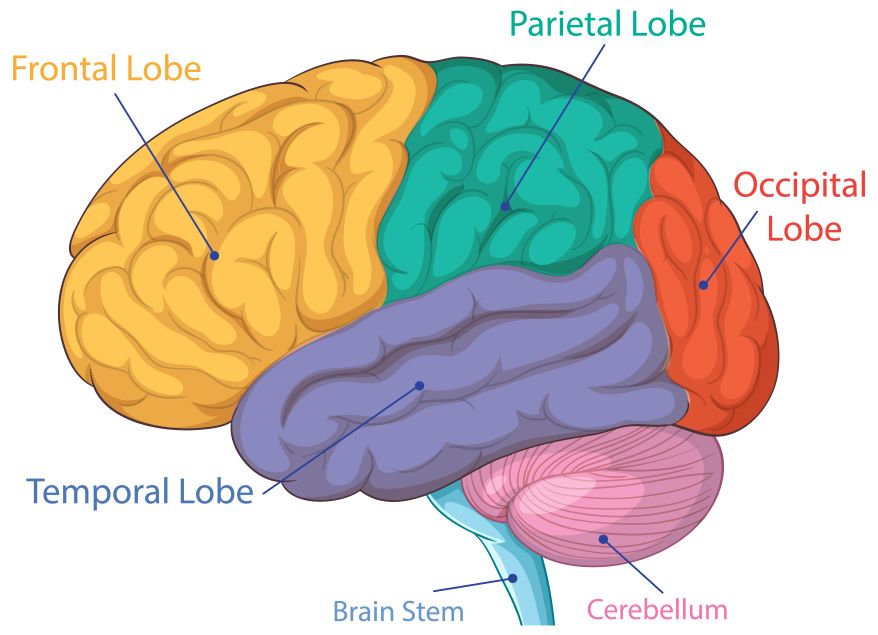
The cerebellum sits at the back of your brain near the brainstem. In fact, this structure contains more neurones than any other brain region. First, the cerebellum compares intended movements with actual movements. Next, it detects errors in your gait pattern. Then, it sends corrective signals to adjust muscle timing. Importantly, this process happens continuously while you walk. As a result, without a functioning cerebellum, your gait becomes unsteady and irregular. For instance, people with cerebellar damage often show a wide-based, staggering walk. Additionally, they may have trouble coordinating arm and leg movements. Because of this, gait rehabilitation for these individuals emphasises rhythmic exercises. Specifically, therapists use metronomes and music to provide external timing cues. Furthermore, the cerebellum also adapts to changing conditions. For example, it helps you maintain balance when walking on uneven surfaces. In conclusion, this function requires constant practice during rehabilitation.
Key Principles of Gait Rehabilitation
Neuroplasticity: The Brain’s Ability to Rewire
Neuroplasticity describes the brain’s capacity to form new connections. Specifically, after injury, undamaged neurones can take over lost functions. However, this process requires repeated stimulation and practice. In fact, neuroplasticity is the foundation of all effective rehabilitation. Simply put, the brain reorganises itself based on experience. For example, learning a new walking pattern strengthens specific neural pathways. At the same time, unused connections weaken and disappear. This is why early intervention matters. More precisely, starting gait rehabilitation soon after injury maximises neuroplastic changes. Additionally, intensity also plays a crucial role. For instance, high-repetition training produces better outcomes than low-frequency sessions. Moreover, task-specific practice is key to success. To illustrate, walking on a treadmill transfers better to real-world walking than cycling. In short, the brain needs to learn the exact movement patterns you want to recover.
Task-Specific Training
Rehabilitation must mimic the actual activity you want to improve. Walking practice should involve real stepping movements. This principle is called task-specific training. Gait rehabilitation programmes use body-weight support systems for safety. Patients practise walking on treadmills with partial weight bearing. They also walk over ground with assistance as needed. The goal is to perform thousands of steps per session. This repetition drives neuroplastic changes in motor pathways. Task specificity extends to daily activities. Practising stairs, curbs, and uneven terrain prepares patients for home life. Therapists design exercises that mirror real walking challenges. They also address specific deficits like foot drop or knee instability. Orthotics and assistive devices support proper movement patterns during practice.
Rehabilitation Strategies and Technologies
Body-Weight-Supported Treadmill Training
This technique supports a portion of your body weight using a harness system. The overhead support reduces fear of falling. It also allows earlier practice than independent walking. Gait rehabilitation using this method improves walking speed and endurance. Therapists can assist with leg movements manually if needed. The treadmill provides consistent speed and surface. This allows focused practice without environmental distractions. Patients often start with 30 to 50 per cent body weight support. As strength and coordination improve, support is gradually reduced. The goal is to walk independently without any weight support. This method works well for stroke, spinal cord injury, and Parkinson’s disease. It also helps patients with orthopaedic conditions after joint replacement.
Robotic-Assisted Gait Training
Robotic exoskeletons and end-effector devices assist leg movements. These machines provide consistent, reproducible gait patterns. Gait rehabilitation with robotics increases step counts and improves outcomes. The devices can adjust assistance levels based on patient ability. Some systems provide real-time feedback about movement quality. This motivates patients to improve their performance. Robotic training reduces physical strain on therapists. It allows longer, more intensive practice sessions. However, active participation remains essential. Patients must try to generate their own movement. Robotic devices work best as part of comprehensive rehabilitation programmes. They should complement rather than replace therapist-guided practice. Recent advances include portable exoskeletons for community ambulation.
Practical Aspects of Gait Training
Setting Realistic Goals
Recovery timelines differ significantly between individuals. Initial gait rehabilitation goals focus on safety and basic mobility. These include getting in and out of bed safely. Standing with support comes before taking first steps. Walking short distances with a walker represents early success. Therapists set progressive milestones based on patient progress. Goals should be specific and measurable. “Walk 50 feet with a cane” is better than “walk better”. Achieving small goals builds confidence and motivation. Long-term goals might include community ambulation. This means walking safely in stores, parks, and other public spaces. Returning to work or recreational activities requires higher function. Realistic assessment of potential guides’ goal setting. Complete recovery is possible for some patients. Others achieve functional independence with adaptive strategies. Both outcomes represent successful gait rehabilitation.
Overcoming Common Barriers
Fear of falling is the most common barrier to walking recovery. Patients may avoid practice due to anxiety. Therapists address this by ensuring a safe environment. They teach recovery strategies for loss of balance. Building confidence gradually through successful practice helps. Fatigue also limits participation in therapy. Neurological injuries increase energy requirements for walking. Patients must learn to pace themselves appropriately. Gait rehabilitation includes energy conservation techniques. Rest periods between practice sessions reduce fatigue accumulation. Pain can interfere with walking training. Therapists adjust techniques to minimise discomfort. They also address underlying causes of pain. Spasticity, contractures, and joint stiffness need specific treatment. Communication between patient and therapist resolves many barriers. Honest feedback about difficulty levels improves outcomes.
Patient Education and Long-Term Management
Understanding Your Body’s Signals
Listen to your body during walking practice. Pain, discomfort, or excessive fatigue signals the need for adjustment. Gait rehabilitation requires balancing effort with recovery. Sharp or sudden pain indicates potential injury. Stop activity and consult your therapist. Muscle soreness after practice is normal. This represents adaptation and strengthening. Swelling in legs or feet may indicate overuse or circulation issues. Report any changes to your healthcare team. Recognise early signs of fatigue or coordination loss. These indicate a need for rest or reduced difficulty. Learning body awareness improves safety during independent practice. With attention to these signals, you can gradually increase walking distance without risking setbacks.
Preventing Falls
Falls represent a serious risk during gait rehabilitation. They can cause injuries and delay recovery progress. Prevention strategies should be part of every walking session. Use recommended assistive devices at all times. Do not try to walk without support before being ready. Keep walking areas clear of obstacles and clutter. Ensure adequate lighting throughout your home. Wear supportive, non-slip footwear during walking practice. Learn proper techniques for getting up after a fall. Practise this with supervision before needing it alone. Install grab bars in bathrooms and near stairs. Remove throw rugs that could slip underfoot. Consider a medical alert system for emergencies. Tell someone your walking practice schedule. Carry a phone in case you need help. These precautions allow safe independent practice.
Conclusion
Gait rehabilitation transforms lives by restoring the ability to walk. This process relies on the remarkable plasticity of the nervous system. With consistent practice, patients recover function and independence. Modern technologies enhance traditional therapy approaches. Remember that progress comes in small steps. Each improvement builds on the previous one. Celebrate every achievement along the way. With dedication and proper guidance, significant recovery is possible. The human body has an amazing capacity for healing and adaptation.
Frequently Asked Questions
How long does gait rehabilitation typically take?
Recovery timelines vary widely based on injury type and severity. At first, early gains often occur within the first 3 to 6 months. After that, slower improvements can continue for a year or more. At the present time, consistency with home exercise programmes significantly affects outcomes. So far, some patients achieve functional walking within weeks. At any rate, others require months of dedicated practice. As a result, setting realistic expectations is very important. To illustrate, a mild stroke patient may walk in weeks.
Can I walk again after a complete spinal cord injury?
Complete spinal cord injury breaks all neural connections below the injury level. Walking with typical muscle control becomes impossible in such cases. However, rehabilitation can still improve health and quality of life. Technology offers solutions like powered exoskeletons and functional electrical stimulation. These devices enable standing and stepping for some individuals. Research into spinal cord regeneration continues to advance.
What is the best exercise for improving gait?
Walking itself is the most effective exercise for improving gait. Body-weight-supported treadmill training provides a safe starting point. Strengthening exercises for legs, hips, and core support better walking. Balance training on unstable surfaces improves stability. Practising stairs and curbs challenges coordination systems. A comprehensive program includes all these elements
References
Phadke, V., Sharma, R., Sharma, N., & Mitra, S. (2024). Global Research Trends on Gait Rehabilitation in Individuals With Spinal Cord Injury- A Bibliometric Analysis. Global spine journal, 14(8), 2408–2419. https://doi.org/10.1177/21925682241243074
Bartloff, J., Lanotte, F., O’Brien, M. K., & Jayaraman, A. (2025). Advancing gait rehabilitation through wearable technologies: current landscape and future directions. Expert Review of Medical Devices, 22(10), 1105–1116. https://doi.org/10.1080/17434440.2025.2546476
- Author
- Latest Posts

Fitness Professor at Antigravity Club, Pali Hill, Mumbai.
Strength and Conditioning Coach |
Sports and Fitness Nutrition Specialist |
Helping People Sculpt, Reset Gut Health and Transform |