Understand type 2 diabetes and its effects on your body. Learn how GLP-1 is transforming treatment and management.
Diabetes, GLP-1 and Metabolic Health Explained for Students
Estimated reading time: 13 minutes
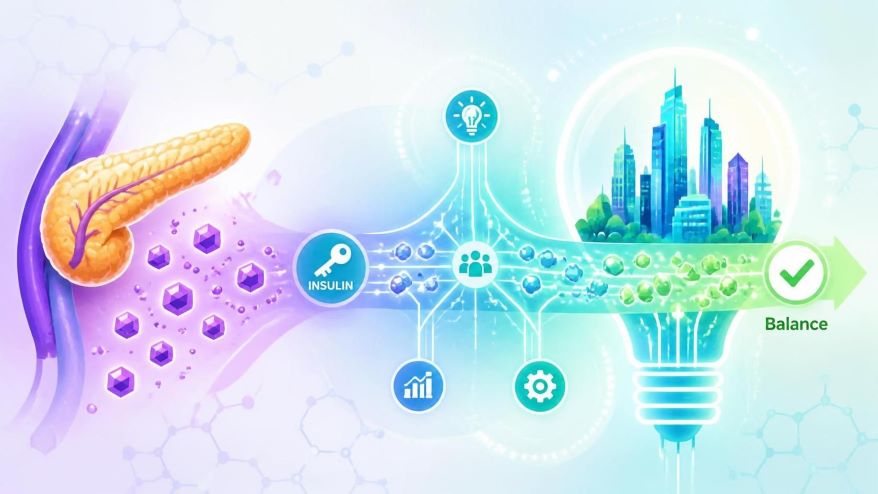
Imagine your body as a fuel system. The food you eat turns into glucose. Your cells use glucose as their main energy source. Insulin is a hormone that controls how this works. Here you’ll find type 2 diabetes explained in simple terms to help you understand this process.
Now imagine that this system starts to fail slowly, with few or no obvious symptoms at first. Over 537 million adults worldwide live with type 2 diabetes. This disease develops slowly and shows no early warnings. At the same time, it silently damages the heart, kidneys, and nerves. Today, a naturally occurring gut hormone called GLP-1 is completely transforming treatment. Scientists describe its therapeutic effects as extraordinary. Above all, students who understand this disease make smarter health decisions. This guide explains the science in clear, simple terms. No prior medical knowledge is needed to follow along. You will finish reading with a solid grasp of metabolic health science.
Key Takeaways
- Type 2 diabetes develops when body cells stop responding to insulin effectively.
- Blood sugar regulation depends entirely on the hormone insulin.
- GLP-1 is a natural gut hormone that stimulates insulin release after meals.
- GLP-1 receptor agonist drugs lower blood sugar, reduce body weight, and protect the heart.
- The ADA’s 2026 Standards of Care recommend GLP-1 drugs as first-line diabetes treatment.
- Lifestyle changes — diet and exercise — can prevent or delay type 2 diabetes.
- Early diagnosis relies on the A1C test and fasting plasma glucose measurements.
What Is Type 2 Diabetes? The Basics for Students
Type 2 diabetes is the most common type of diabetes in the world. It makes up more than 90% of diabetes cases globally. Unlike type 1 diabetes, it is not mainly caused by the immune system attacking the body.
Type 2 diabetes happens from a mix of lifestyle factors and genetics. The disease makes it harder for the body to control blood sugar. Over time, high blood sugar damages blood vessels and nerves. According to ADA’s 2026 classification standards, type 2 diabetes involves both insulin resistance and progressive beta-cell failure. At the present time, over 10% of the global adult population lives with this condition. That number rises every single year. What’s more, millions of additional people have undiagnosed prediabetes. So, understanding type 2 diabetes is essential for every student studying health or biology today.
How the Body Regulates Blood Sugar Normally
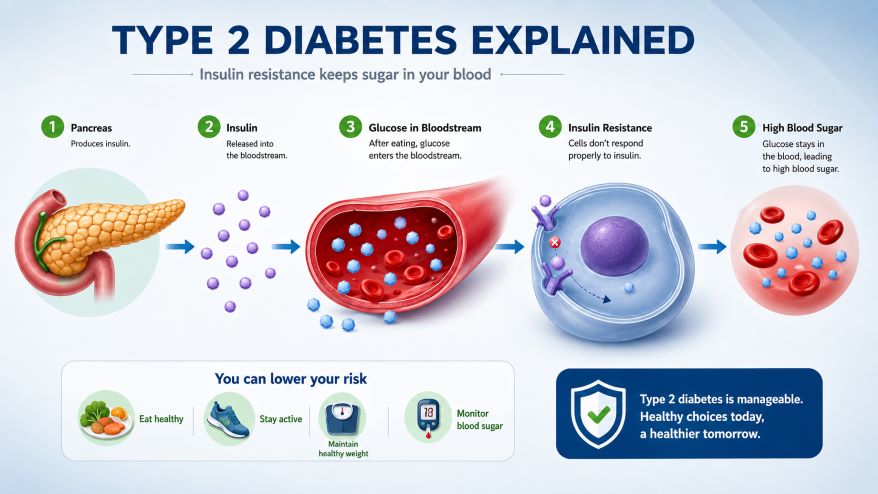
Your body uses glucose for energy. Glucose comes from the carbohydrates you eat. After a meal, blood glucose rises. Your pancreas senses this change and releases insulin into the bloodstream.
Insulin works like a key. It helps glucose enter cells in your muscles, liver, and fat. Your liver can also store extra glucose as glycogen for later use. Then blood sugar levels go back toward the normal range.
This balance is called glucose homeostasis. Your endocrine system manages all of this automatically every day. Prior to any disease developing, this system works with remarkable precision. In essence, insulin is the master regulator of your entire metabolic health.
What Changes in Type 2 Diabetes: Insulin Resistance Explained
In type 2 diabetes, this elegant process breaks down gradually. Muscle and liver cells stop responding to insulin properly. Doctors call this condition insulin resistance. The pancreas tries to compensate by producing more insulin initially. However, it cannot sustain this extra effort indefinitely. Beta cells slowly exhaust themselves and begin to fail. Blood glucose levels then rise and remain persistently high. Chronic hyperglycemia causes progressive damage to blood vessels and nerves. It contributes to heart disease, kidney failure, and vision loss over time. The ADA’s 2026 pharmacologic guidelines confirm that insulin resistance and beta-cell failure together drive type 2 diabetes progression. At this stage, medication and lifestyle changes become necessary for effective control. Early intervention can slow and sometimes partially reverse this process.
The Metabolic Health Connection: Understanding Risk Factors
Metabolic health is more than blood sugar alone. Doctors often track five key markers: blood glucose, blood pressure, waist size, cholesterol levels, and triglycerides. If three or more of these markers are abnormal, it’s called metabolic syndrome. This is closely linked to a higher risk of developing type 2 diabetes.
Research also shows that metabolic problems can start years before any diagnosis. In the United States, more than 98 million people have prediabetes, and many have no symptoms. Today’s more sedentary lifestyles and diets high in sugar can speed this decline.
For students, spotting risk factors early is powerful. Healthy habits started during the teen years can greatly reduce the chance of future disease. In short, metabolic health is something you can measure and improve at any age.
Obesity, Inflammation, and Type 2 Diabetes Risk Factors
Extra fat around your waist is linked to a higher risk of type 2 diabetes. Visceral fat—fat stored around internal organs—is especially harmful. It releases inflammatory chemicals into the bloodstream. These chemicals can interfere with insulin, so glucose can’t enter cells as easily.
Over time, the liver can also become less responsive to insulin. It may keep releasing glucose even when blood sugar is already high. This can make hyperglycemia worse.
Eating too much sugar can also reduce insulin sensitivity at the cellular level. Being inactive contributes too, partly because muscle cells don’t respond to insulin as well. Chronic stress can raise cortisol, and higher cortisol can increase blood sugar even if your diet hasn’t changed.
Because these factors connect, metabolic risk can grow over time. When you work on one area, it often helps the others too.
Research also strongly supports the link between metabolic syndrome and type 2 diabetes. Metabolic syndrome is often an early warning sign that can come before prediabetes. For students, learning these risk factors can help you see diabetes as a gradual process, not something that suddenly appears. Taking action early can lead to big long-term health benefits.
Key modifiable risk factors for type 2 diabetes include:
- Diet quality: High intake of ultra-processed foods and added sugars accelerates insulin resistance and beta-cell stress over time.
- Physical inactivity: Sedentary behavior significantly reduces insulin sensitivity in muscle tissue and impairs glucose disposal.
- Body weight: Excess abdominal fat releases inflammatory signals that directly disrupt glucose metabolism and beta-cell function.
- Sleep quality: Chronic sleep deprivation impairs insulin signaling pathways and raises fasting blood glucose levels measurably.
- Stress management: Persistent high cortisol from unmanaged chronic stress raises fasting glucose and worsens insulin resistance.
These risk factors are mostly within your control. Eating well, staying active, getting enough sleep, and managing stress can improve all five areas at once. Taking action early is the best way to help prevent type 2 diabetes.
Students who understand this can help encourage real, lasting changes in their families and communities.
GLP-1: The Gut Hormone Reshaping Diabetes Science
GLP-1 receptor agonists (GLP-1 RAs) are medicines that act like the body’s natural hormone GLP-1. They attach to GLP-1 receptors on pancreatic beta cells. This causes the body to release insulin, but only when blood sugar is high. Because of this, serious low blood sugar is uncommon.
GLP-1 RAs also lower glucagon. Glucagon is a hormone that tells the liver to raise blood sugar. By reducing glucagon, these drugs help keep blood sugar steadier.
They can also slow how fast food leaves the stomach after meals. When food moves more slowly, blood sugar rises more gradually. In addition, GLP-1 affects the brain to reduce hunger and help you feel full sooner. The ADA’s 2026 pharmacologic guidelines recommend GLP-1 RAs for type 2 diabetes in adults with established cardiovascular disease. In effect, one drug class addresses multiple metabolic problems simultaneously.
From Semaglutide to Tirzepatide: A New Era Begins
Semaglutide was the first GLP-1 drug that changed diabetes care in a big way. It’s sold as Ozempic for type 2 diabetes and Wegovy for weight control. Studies show it can lower A1C by as much as about 2% for many people. It also helps people lose weight, often around 10–15%.
Tirzepatide is the next major step in this type of medicine. It works on two body signals at the same time: GLP-1 and GIP (glucose-dependent insulinotropic polypeptide). Because it targets both, it can improve metabolism more than drugs that only target one. Some studies show weight loss of more than 20% with tirzepatide.
The ADA recommends tirzepatide for some people with type 2 diabetes who also have obesity and for certain cases of symptomatic heart failure. Overall, these medicines show how understanding basic biology can lead to major new treatments. For students, this can be a clear example of how science leads to real medical progress.
What Students Should Know About GLP-1 Drug Side Effects
GLP-1 receptor medicines are usually well tolerated. The most common side effects are stomach and digestion problems. These can include nausea, vomiting, and mild diarrhea. The good news is that these side effects are usually temporary. They most often happen when the dose is being increased at the beginning of treatment. Slower dose increases help most people feel better.
More serious side effects are rare, but they can include pancreatitis (inflammation of the pancreas) and gallbladder problems. Some animal studies showed thyroid C-cell tumors, but it’s not clear yet if this applies to humans. People with a personal or family history of certain thyroid cancers should avoid specific GLP-1 drugs.
The ADA provides detailed guidance on these safety issues. Overall, for most people with type 2 diabetes, the benefits of GLP-1 drugs usually outweigh the risks. As with any medication, doctors check each person’s situation carefully before prescribing.
The cardiovascular outcomes of GLP-1 drugs have been consistently remarkable across multiple large trials. Randomized studies confirm significant reductions in heart attack, stroke, and cardiovascular death risk. Above all, these benefits appear to extend even to patients without previously established heart disease. This broadens the case for earlier GLP-1 therapy across a wider population of type 2 diabetes patients significantly.
Diagnosing and Treating Type 2 Diabetes: What the Evidence Says
Getting an early diagnosis is very important. Many people with type 2 diabetes feel normal at first. During that time, damage to organs can build up even though there are no symptoms. That’s why the ADA recommends regular screening for all adults age 35 and older. People younger than 35 who have clear risk factors should also be tested soon. Doctors use blood tests to confirm the diagnosis accurately and reliably.
Modern diabetes care also uses shared decision-making. That means the doctor and patient work together to choose the best treatment. Doctors consider heart health, kidney function, weight goals, and cost. Then they tailor the plan to fit each person.. The 2026 ADA glycemic goal standards set clear blood sugar targets for most adults. In general, an A1C below 7.0% is the target for most non-pregnant adults with type 2 diabetes. So, both diagnosis and treatment have become more personalized and evidence-driven than ever before.
ADA 2026 Standards: Type 2 Diabetes Diagnostic Criteria
The ADA’s 2026 diagnostic classification defines type 2 diabetes using four specific blood test criteria. Any single criterion confirms the diagnosis when found on two separate occasions:
- A1C of 6.5% or higher: measures average blood sugar across the past three months.
- Fasting plasma glucose of 126 mg/dL or more: requires no food for a minimum of 8 hours.
- 2-hour plasma glucose of 200 mg/dL or more: measured during an oral glucose tolerance test.
- Random plasma glucose of 200 mg/dL or more: combined with classic symptoms such as excessive thirst or frequent urination.
The A1C test is a convenient option for regular screening. You don’t need to fast for this test. The oral glucose tolerance test is more sensitive for finding early changes in blood sugar. It can be especially helpful for spotting prediabetes before it becomes full diabetes.
Prediabetes can often be reversed with lifestyle changes, so catching it early makes a big difference. Overall, routine blood tests can save lives by helping doctors find problems sooner and act in the right way.
Lifestyle Changes and Preventing Type 2 Diabetes
Type 2 diabetes is mostly preventable with steady lifestyle changes. Research strongly shows this. A major U.S. study, the Diabetes Prevention Program, found that a structured lifestyle program cut the risk of developing type 2 diabetes by 58%. This worked better than using metformin by itself.
Losing even a small amount of weight—about 5–7% of your body weight—can improve insulin sensitivity. Regular exercise also helps in a separate way. After one aerobic workout, your muscles can take in more glucose for up to 24 hours, even without insulin. That’s why exercise is a powerful “metabolic medicine” on its own.
Before any medicine is needed, your daily habits are one of the most effective tools you have. Students who start healthy habits early can get long-term protection. Overall, being active and eating a balanced diet are the best, evidence-based ways to prevent type 2 diabetes.
Nutrition and Exercise as Metabolic Medicine for Students
Certain eating patterns can strongly help prevent type 2 diabetes. The Mediterranean diet focuses on whole grains, vegetables, beans and legumes, olive oil, and lean protein. Studies link this type of diet to lower insulin resistance and a lower risk of diabetes.
It’s also important to limit ultra-processed foods. These foods can cause fast spikes in blood sugar, which puts stress on the insulin-making cells (beta cells) over time. Cutting back on added sugar is especially important for teens and young adults who are still growing.
Exercise matters too. The ADA recommends at least 150 minutes per week of moderate aerobic activity. Strength training two or more days per week also helps improve blood sugar control.
Muscle is a major place where your body uses glucose after meals. Building and keeping muscle can greatly improve how well your body manages blood sugar.
For students, sports and regular physical activity are real “metabolic medicine.”
Keeping these healthy habits takes planning and support from others. When you have a group of friends who want the same things, it’s easier to stick with healthy choices over time.
Also, learning the science behind diet and exercise can help you stay motivated. When students understand how these habits work at a cell level, they’re more likely to make changes that truly last.
Conclusion
Diabetes happens when the body can’t control blood sugar well. Metabolic health is how your body uses energy, and it affects how sugar stays stable. GLP-1 is a natural hormone (and related medicines) that can help slow digestion and reduce appetite. Better habits plus the right support can improve outcomes.
Frequently Asked Questions (FAQs)
What exactly causes type 2 diabetes?
Type 2 diabetes happens when the body’s cells don’t respond well to insulin, so sugar builds up in the blood. Over time, the pancreas makes less insulin. Risk factors include extra weight, inactivity, unhealthy food, genetics, stress, and poor sleep.
How do GLP-1 drugs help in type 2 diabetes treatment?
GLP-1 is a gut hormone made after meals. GLP-1 drugs copy it. They boost insulin, lower glucagon, slow digestion, and cut hunger. This lowers blood sugar and helps protect the heart.
What are the early warning signs of type 2 diabetes?
Type 2 diabetes often produces no noticeable early symptoms. When symptoms do appear, they include increased thirst and frequent urination. Unexplained fatigue and blurry vision are also common early signs. Slow-healing cuts or wounds may indicate poor blood sugar control. Tingling or numbness in the feet can signal nerve damage developing. However, most people receive a diagnosis only through routine blood screening tests.
Can teenagers develop type 2 diabetes?
Type 2 diabetes is affecting more teens and young adults. Higher teen obesity is the main reason. Too much screen time and sugary foods raise risk. The ADA urges early screening. Better diet and exercise can prevent or delay it.
Is type 2 diabetes curable or only manageable?
In some cases, significant weight loss and lifestyle changes can achieve full remission. During remission, blood sugar returns to the normal range without any medication. However, the underlying genetic predisposition to the disease remains present. Regular health monitoring is still necessary even during confirmed remission periods. Modern GLP-1 medications and lifestyle changes help most people live healthy, full, active lives. In short, type 2 diabetes is highly manageable with the right personalized approach.
References
- American Diabetes Association Professional Practice Committee. (2026a). 9. Pharmacologic approaches to glycemic treatment: Standards of care in diabetes—2026. Diabetes Care, 49(Suppl. 1), S183–S215. https://doi.org/10.2337/dc26-S009. Retrieved from https://pmc.ncbi.nlm.nih.gov/articles/PMC12690185/
- American Diabetes Association Professional Practice Committee. (2026b). 2. Diagnosis and classification of diabetes: Standards of care in diabetes—2026. Diabetes Care, 49(Suppl. 1), S27–S49. https://doi.org/10.2337/dc26-S002
- American Diabetes Association Professional Practice Committee. (2026c). 6. Glycemic goals, hypoglycemia, and hyperglycemic crises: Standards of care in diabetes—2026. Diabetes Care, 49(Suppl. 1), S132–S149. https://doi.org/10.2337/dc26-S006
- Nauck, M. A., Tuttle, K. R., Tschöp, M. H., & Blüher, M. (2026). GLP-1 receptor agonists and next-generation incretin-based medications: Metabolic, cardiovascular, and renal benefits. The Lancet, 407, 892–908. https://doi.org/10.1016/S0140-6736(25)02105-1
Editorial Note: This article was written by Ramya Dobbala and reviewed for editorial accuracy by our editorial team. It has not yet undergone independent review by a professional.
- Author
- Latest Posts

Ramya Dobbala is a pharmacist and science communicator dedicated to bridging the gap between complex pharmaceutical research and public understanding. A 2024 B.Pharmacy graduate, Ramya has a strong foundational background in formulation science, having spearheaded research into the evaluation and formulation of anti-acne creams. Her work focused on optimizing topical delivery systems to enhance treatment efficacy and skin health.
Transitioning from the laboratory to the forefront of scientific discourse, she now leverages her technical expertise to translate intricate healthcare concepts into accessible, engaging content. As an author and communicator, Ramya is passionate about empowering audiences with evidence-based insights, particularly in the realms of dermatology and pharmaceutical innovation.