Stay informed about the drug resistant salmonella outbreak linked to backyard chickens that has affected 34 people in 13 states.
Salmonella Outbreak: Tracking Sources and Preventing Infection

Estimated reading time: 6 minutes
A recent report from the CDC has raised public health concerns. It details a specific Salmonella outbreak caused by the Saintpaul strain. This bacteria can make people very sick. You likely have questions about this food safety issue. Understanding the source is critical. The CDC investigation points to certain foods. We need to look at the symptoms and risks. This article breaks down the official data. I will explain the biology of this germ. My goal is to help you stay safe. Knowledge is the best tool against foodborne illness. Let’s explore what the CDC found. We will look at how this applies to your kitchen. Above all, we focus on real prevention steps. You do not need to panic. You just need the right information.
Key Takeaways: Salmonella Outbreak
- The CDC identified a specific strain of Salmonella called Saintpaul.
- A clear food source was linked to the illness cases.
- Common symptoms include diarrhoea, fever, and stomach cramps.
- Most people recover without specific treatment.
- Proper handwashing and food handling reduce your risk
The Specifics of the Salmonella Saintpaul Strain: Salmonella Outbreak
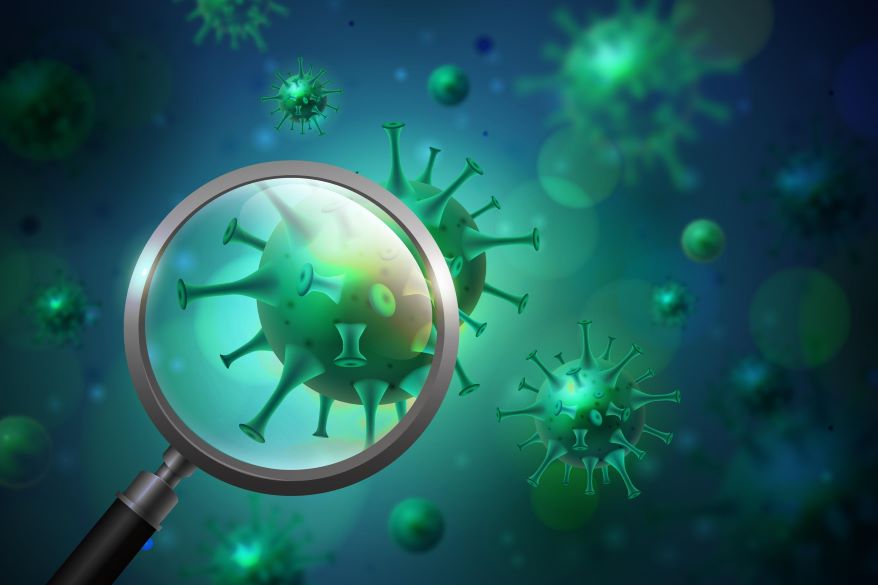
The salmonella outbreak featured a specific germ. The bacteria is Salmonella enterica serotype Saintpaul. This is a common cause of foodborne disease. The CDC tracks this strain carefully. It can be more aggressive than other types. Understanding this helps public health officials. They find the source faster. This specific outbreak investigation is now complete. It provides crucial data for future prevention. The biology of Salmonella Saintpaul is fascinating. It survives well in moist environments. It can live on food surfaces for hours. This makes kitchen hygiene vital. You cannot see, smell, or taste it. That is why it is a hidden danger.
How the CDC Traces the Source
The CDC uses a specific method. They call it PulseNet. This network helps identify clusters. They compare the DNA of the bacteria. When cases match, they find a common source. For this outbreak of Salmonella, they looked at food histories. Interviewers asked sick people about meals. They compared those answers. They looked for a common ingredient. This is like detective work. The process is very accurate. It helps stop the spread quickly. The data from this outbreak is now public.
Salmonella Outbreak: The Role of Imported Produce
The investigation linked the Salmonella Saintpaul strain to fresh produce. Specifically, the strain was associated with certain imported vegetables. This pattern is important because contaminated food can travel across long distances before an illness is identified. Furthermore, the contaminated produce may pass through several steps before reaching consumers. Therefore, the CDC works with the FDA to trace where the contamination may have occurred. For example, contamination could happen on a farm, during harvesting, or later during food processing and handling.
Recognising the Signs of Salmonella Infection: Salmonella Outbreak
First, knowing the symptoms of salmonella illness can help you act quickly. Usually, symptoms begin within several hours after eating contaminated food. However, in some cases, they may take several days to appear. The most common symptom is diarrhoea. In addition, the diarrhoea may be very watery and can lead to loss of fluids. Furthermore, some people may develop a high fever and painful stomach cramps. Moreover, nausea and vomiting can also occur. As a result, it is important to drink enough fluids to help prevent dehydration.
Salmonella Outbreak: When to See a Doctor
First, contact a doctor when Salmonella infection causes severe or concerning symptoms. In particular, do not delay medical care if you develop a high fever. For example, a fever above 102°F (38.9°C) can be a warning sign. Therefore, seek medical advice if your fever is high or continues to get worse. In addition, blood in the stool is a serious warning sign. Because bloody diarrhoea is not typical, it is important to contact a healthcare professional promptly. Furthermore, dehydration can be a major concern because diarrhoea and vomiting can cause the body to lose too much fluid. For instance, a dry mouth, very little urine, or dizziness may be signs of dehydration. Moreover, infants and older adults may have a higher risk of serious illness. As a result, they may need medical attention sooner if symptoms develop.
Key Prevention Strategies for Your Kitchen
First, preventing Salmonella contamination at home starts with good food safety habits. By taking simple steps, you can reduce the chance of spreading germs in the kitchen. Next, be careful about cross-contamination. This happens when germs move from one food, surface, or tool to another. As a result, raw foods can spread germs to foods that are ready to eat. For example, use separate cutting boards for different foods. Ideally, keep one cutting board for raw meat and another for vegetables and other ready-to-eat foods. In addition, wash your hands well with soap and water for at least 20 seconds. Especially, wash your hands after touching raw meat, poultry, eggs, or other foods that may carry germs. Furthermore, clean kitchen counters after preparing raw food. First, wash the surface with hot, soapy water, and, when needed, use a suitable disinfectant according to its label.
The Public Health Response to the Outbreak
The CDC response to any salmonella cases is fast. They coordinate with state health departments. They issue public alerts. This helps doctors know what to look for. For the Saint Paul strain, the CDC created a specific page. They listed the case numbers. They identified the states involved. This transparency is vital. It allows for a quick containment strategy. The public gets the information needed. They can make informed choices. The response team works 24/7.
Frequently Asked Questions: Salmonella Outbreak
What are the symptoms of a salmonella infection?
Symptoms include watery diarrhoea (sometimes with blood), severe stomach cramps, fever, nausea, vomiting, and headache. In simple terms, your gut becomes inflamed and painful. As a result, symptoms typically appear 6 hours to 6 days after infection and last 4 to 7 days.
Can healthy-looking chickens carry salmonella?
Absolutely yes. To be sure, even perfectly clean and healthy birds carry salmonella naturally in their intestines. At this time, there is no way to tell by looking if a bird carries the bacteria. In conclusion, this is why prevention is critical.
Can you get salmonella without touching the bird directly?
For the most part, yes. In fact, touching contaminated surfaces like feed, water, eggs, or soil transmits the bacteria. Additionally, wearing shoes from the coop in your house spreads salmonella. This is why environmental contamination matters as much as direct contact.
What does “antibiotic resistant” mean?
To clarify, it means the bacteria survives the antibiotic drug designed to kill it. When antibiotics stop working, doctors have fewer treatment options. In conclusion, infections become harder to manage and more dangerous.
Will new antibiotics be developed fast enough?
Unfortunately, the answer is uncertain. In addition, new antibiotic development takes 10-15 years. Meanwhile, bacteria are evolving faster. As a result,, we are in a race against time. Scientists are working on new approaches, including phage therapy and immunotherapy, but these are years away.
Reference
Centres for Disease Control and Prevention. (2026). Salmonella Outbreak Linked to Backyard Poultry, 2026. U.S. Department of Health and Human Services. https://www.cdc.gov/salmonella/outbreaks/saintpaul-04-26/index.html
- Author
- Latest Posts

Ayushi Shukla is a biotechnologist and science communicator specializing in the intersection of genomic data and public health. Previously, she served as a Core Member and R&D Lead at the HealthTech venture Eat Wisely Bro, where she spearheaded research initiatives and translated emerging medical data into product strategy. She holds an M.Sc. in Biotechnology from the TERI School of Advanced Studies, where her research at The Energy and Resources Institute (TERI), New Delhi, focused on Environmental Biotechnology and Bioremediation.
As a Research Scholar at TERI, Ayushi developed a plant growth-promoting bacterial consortium for high-salinity agricultural conditions, managing daily laboratory procedures and molecular workflows. Her technical portfolio on GitHub demonstrates her dry lab expertise, featuring end-to-end bioinfomatics pipelines for RNA-Seq analysis, Phylogenetic modeling, and a functional prototype for Mycobacterium tuberculosis Genomic Surveillance & Dashboard.
Her clinical foundation includes advanced training in Somatic NGS and Precision Oncology from the Cancer Research Centre at Tata Memorial Centre, and a professional certification in Good Clinical Practice (GLP) from the NIDA Clinical Trials Network. Ayushi bridges the gap between raw genomic data and student-friendly narratives to help the next generation of scientist understand the transformative power of modern biology.


стоит ли делать редизайн существующего сайта или проще начать с нуля?