A hantavirus outbreak on the MV Hondius has left three dead and six infected. Discover the alarming details of this event.
Understanding Hantavirus and Its Health Effects
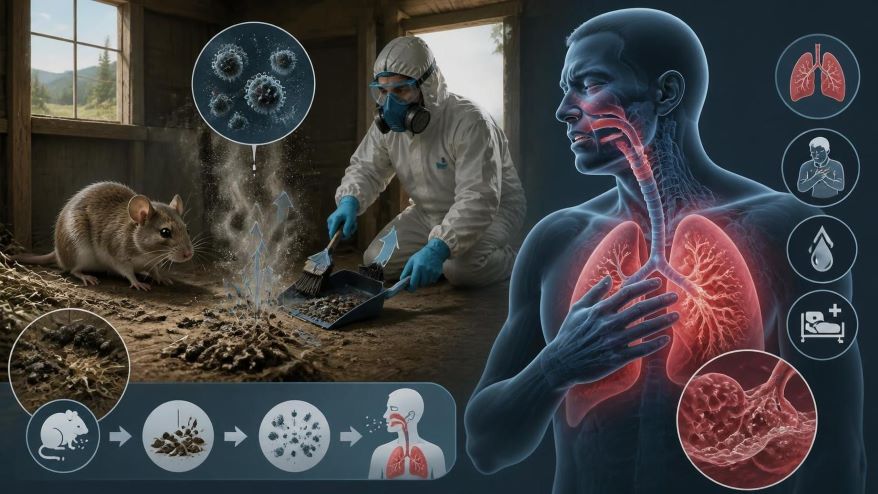
You may have heard about hantavirus in news reports about rural outbreaks. This rare virus spreads through rodent droppings and urine. It causes a severe lung condition called hantavirus pulmonary syndrome (HPS). The disease progresses quickly and can be fatal. Many people assume this virus only affects remote areas. But urban environments also carry risks. Survival depends on early recognition and prevention. Allow me to explain how this pathogen attacks your body. I will describe the immune system’s response. I will clarify why capillary leakage happens. Finally, I will share practical prevention tips. Understanding how hantavirus works helps you stay safe. This knowledge also protects your family. As a botanist, I know that humans interact with rodent habitats more than we think. Gardens, sheds, and even parked cars can harbor infected rodents. Read on to learn the full story.
Key Takeaways
- Hantavirus causes HPS, a severe, rapidly progressing respiratory illness.
- Rodent control remains the most effective prevention strategy.
- The virus triggers a harmful immune response that damages lung capillaries.
- Early medical intervention improves survival rates significantly.
- No specific treatment exists, so prevention is crucial.
Explaining What Hantavirus Is
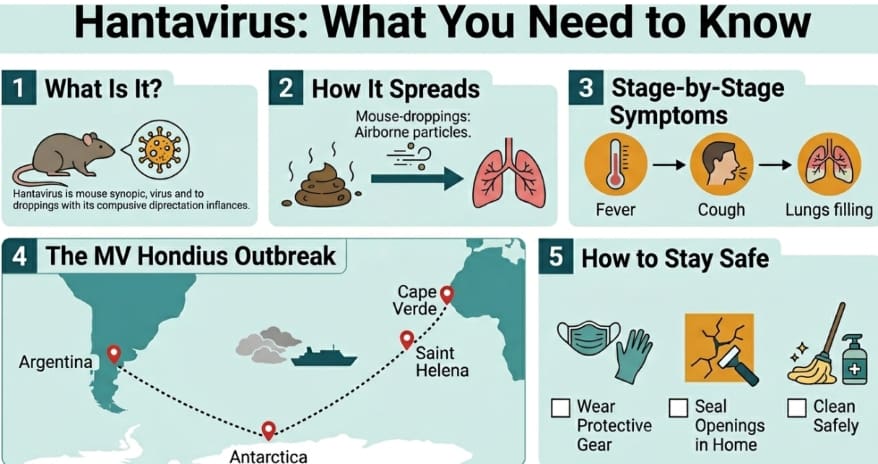
Hantavirus belongs to the Bunyaviridae family. Scientists first identified it during the Korean War in the 1950s. The virus has two main forms. One form causes hemorrhagic fever with renal syndrome (HFRS) in Asia and Europe. The other form triggers hantavirus pulmonary syndrome (HPS) in the Americas. The Sin Nombre virus is the most common cause of HPS in North America. Deer mice carry this particular strain. The virus does not make the rodents sick. They shed it in their feces, urine, and saliva.
How Hantavirus Affects Your Lungs
HPS targets the lungs with devastating precision. The virus enters cells lining blood vessels. These endothelial cells form the barrier between blood and lung tissue. Once infected, the cells trigger a cascade of events. Fluid begins to leak into the air sacs. This process is called pulmonary edema. Your lungs fill with fluid instead of air. Breathing becomes increasingly difficult.
Immune Response and Capillary Leakage
Your immune system reacts strongly to hantavirus. This reaction causes more damage than the virus itself. Immune cells release chemicals called cytokines. These chemicals signal blood vessels to become leaky. The term for this process is capillary leakage. Small blood vessels in the lungs begin to lose their integrity. Plasma then escapes into the surrounding tissues. White blood cells follow the plasma. This immune cell invasion worsens inflammation.
Respiratory Distress in Hantavirus Infection
Respiratory distress is the hallmark of HPS. It begins suddenly and worsens quickly. Patients often describe feeling like they cannot catch their breath. Doctors hear crackling sounds in the lungs. These sounds indicate fluid accumulation. Oxygen levels in the blood drop rapidly. In fact, within 24 hours of the onset of respiratory symptoms, patients typically require mechanical ventilation.
The mechanism behind respiratory distress involves alveolar flooding. Alveoli are tiny air sacs where gas exchange occurs. Fluid fills these sacs when capillary leakage happens. As a result, oxygen cannot cross into the bloodstream. Similarly, carbon dioxide cannot leave the body. This situation creates a dangerous imbalance. Taking these factors into account, blood acidity levels rise as carbon dioxide accumulates. The heart must work harder to circulate oxygen-poor blood. Suddenly, cardiac depression often follows. Heart function declines as oxygen supply drops further.
Medical teams use lung-protective ventilation strategies. They keep airway pressures low to avoid further damage. At the same time, they may place patients in a prone position. This position helps oxygen reach more of the lungs. Some patients require extracorporeal membrane oxygenation (ECMO). In other words, this machine takes over heart and lung function. It buys time for the immune system to clear the virus. Overall, recovery can take weeks to months. Survivors often face long-term lung function issues. For example, a study published in Emerging Infectious Diseases showed that 30% of survivors had reduced exercise capacity. Another study in Clinical Infectious Diseases documented lasting fatigue in 40% of patients. On the one hand, these aftereffects affect daily life. With these findings in mind, ongoing medical support is crucial for recovery.
Prevention Strategies Against Hantavirus
Prevention focuses on avoiding rodent contact. To point out, this approach works because no vaccine exists. The virus cannot survive long outside host animals. UV light and dry conditions destroy it quickly. However, dried droppings can remain infectious for days. With these facts in mind, the first step is sealing entry points in your home. For example, mice can squeeze through gaps as small as a dime. To that end, fill holes with steel wool. Thereafter, apply caulk around pipes and wires.
Simultaneously, you should also address rodent-friendly environments. Remove woodpiles from near your home. Keep grass short around buildings. Store food in metal or glass containers with tight lids. Dispose of garbage regularly. If you live in an endemic area, wear gloves when cleaning sheds. Open windows to ventilate areas before cleaning. Above all, do not sweep or vacuum dry droppings. The aerosols from sweeping spread the virus. Instead, spray the area with bleach solution first. Use one part bleach to nine parts water. Soak the droppings thoroughly. Then wipe them up with paper towels. To summarize, dispose of towels in sealed plastic bags.
Campers and hikers face unique risks. Avoid sleeping directly on the ground. Set up tents away from rodent burrows. Keep food in sealed containers. Use tick and insect repellent as well. This precaution prevents other vector-borne diseases. Occupational exposure affects farmers and pest control workers.
Frequently Asked Questions (FAQs)
Should I be scared of hantavirus spreading globally?
No — not yet. Hantavirus infections are rare but can cause serious respiratory illness, and most strains do not spread from person to person. As a result, this hantavirus outbreak is being actively contained. (NPR)
Can I catch hantavirus from another person?
Almost never. To clarify, only the Andes virus has shown limited person-to-person spread. All other strains spread only through rodent contact.
Is there a vaccine or cure for hantavirus?
No. Indeed, there is no cure for hantavirus infection beyond treatment of symptoms. Patients with severe breathing difficulties may need to be intubated. (CNN)
How can I avoid hantavirus?
Avoid contact with wild rodents. Do not disturb rodent nests or droppings without protection. Wear a mask and gloves when cleaning spaces that may have rodent activity.
Why is this outbreak unusual for a cruise ship?
As has been noted, hantavirus outbreak on cruise ship, which is typically found in rural, rodent-dense environments — not ocean-going ships. This is what has made scientists take notice immediately.
Reference
Moore, R. A., & Griffen, D. (2026). Hantavirus pulmonary syndrome. In StatPearls. StatPearls Publishing. https://www.ncbi.nlm.nih.gov/books/NBK513243/
- Author
- Latest Posts

Ayushi Shukla is a biotechnologist and science communicator specializing in the intersection of genomic data and public health. Previously, she served as a Core Member and R&D Lead at the HealthTech venture Eat Wisely Bro, where she spearheaded research initiatives and translated emerging medical data into product strategy. She holds an M.Sc. in Biotechnology from the TERI School of Advanced Studies, where her research at The Energy and Resources Institute (TERI), New Delhi, focused on Environmental Biotechnology and Bioremediation.
As a Research Scholar at TERI, Ayushi developed a plant growth-promoting bacterial consortium for high-salinity agricultural conditions, managing daily laboratory procedures and molecular workflows. Her technical portfolio on GitHub demonstrates her dry lab expertise, featuring end-to-end bioinfomatics pipelines for RNA-Seq analysis, Phylogenetic modeling, and a functional prototype for Mycobacterium tuberculosis Genomic Surveillance & Dashboard.
Her clinical foundation includes advanced training in Somatic NGS and Precision Oncology from the Cancer Research Centre at Tata Memorial Centre, and a professional certification in Good Clinical Practice (GLP) from the NIDA Clinical Trials Network. Ayushi bridges the gap between raw genomic data and student-friendly narratives to help the next generation of scientist understand the transformative power of modern biology.