hese two jobs must happen together so your cells get what they need. Another important point is that It helps you understand why your body acts the way it does. For instance, when you exercise,…
What Is Physiology? Understanding How the Human Body Works
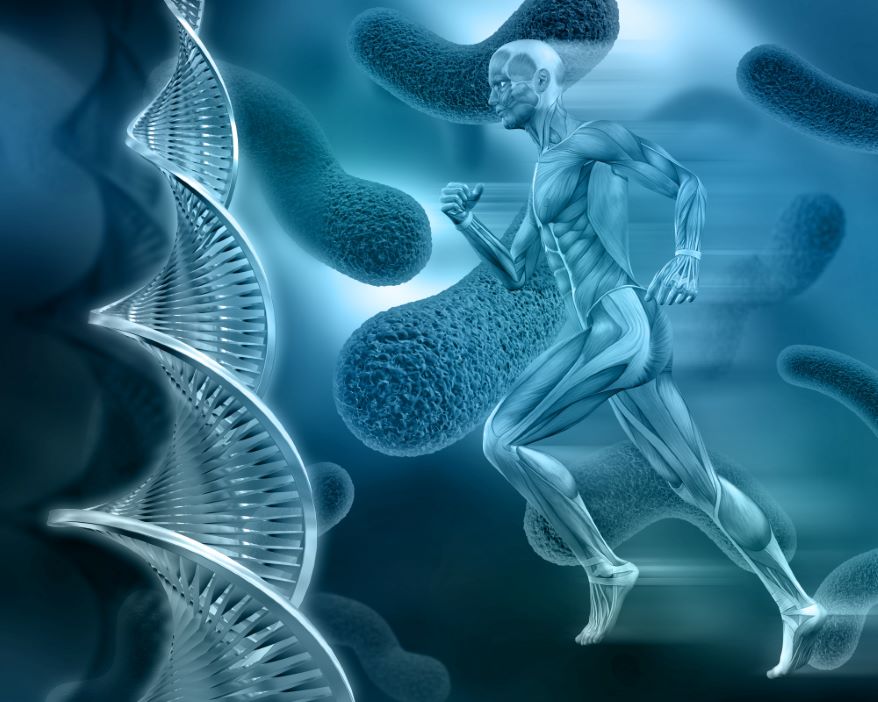
It is the study of how your body works. It looks at what your body parts do and how they do it. For example, it helps you understand how your heart pumps blood. It also shows how your lungs let you breathe. You can learn how your stomach breaks down food. And you can see how your brain sends messages to the rest of you. All of these jobs happen at the same time. Physiology puts these parts together to show how your body stays alive. It is a fun way to see the amazing things your body does every day.
Key Takeaways
To begin with, let us answer a simple question: what is physiology? It is the study of how your body works. It looks at all the jobs your body parts do to keep you alive. First and foremost, an important point is that physiology is not just about one part. It is about how all parts work together. For example, your heart pumps blood, and your lungs take in oxygen. These two jobs must happen together so your cells get what they need. Another important point is that It helps you understand why your body acts the way it does. For instance, when you exercise, your heart beats faster. That is physiology in action. Furthermore, physiology explains how you grow, heal, and even think. Your brain, muscles, and organs all have jobs that physiology studies. In addition, a key idea is that physiology keeps you balanced. Your body always works to stay stable, like when you sweat to cool down or shiver to warm up. Finally, it is important to know that physiology is all around you every day. From eating breakfast to going to sleep, your body is always working.
Physiology vs Anatomy
First, let us ask: what is physiology? It is the study of how your body works. It looks at jobs, like how your heart pumps blood or how your lungs take in air. Now, let us add anatomy. Anatomy is the study of the parts of your body. It looks at shapes and places, like where your bones are or what your liver looks like. So, the big difference is this: anatomy tells you about the parts, and physiology tells you about the jobs. Think of a car. Anatomy is the steering wheel and tyres. This is how you turn the wheel and how the tyres roll. You need both to know how a car works. The same is true for your body. Anatomy shows you the “what.” Physiology shows you the “how”. Together, they help you learn all about the amazing human body.
Branches of Physiology
First, let us start with a simple question: what is physiology? It is the study of how your body works. It looks at all the jobs your body parts do to keep you alive. For example, cellular physiology looks at how tiny cells work inside you. Next, human physiology studies your whole body, from your heart to your brain. Also, comparative physiology looks at how different animals work. This helps us learn more about humans, too. In addition, exercise physiology studies how your body changes when you run, jump, or play sports. Finally, neurophysiology is all about the brain and nerves. It shows how you think, feel, and move. So, as you can see, each branch of it looks at one part of how life works. Together, they give us a big, clear picture of the amazing things your body does every day.
Examples from Daily Life in Physiology
First, let us ask: what is physiology? It is the study of how your body works. It looks at all the jobs your body parts do to keep you alive and moving. Now, let us look at some examples from daily life. For instance, when you eat a meal, your stomach and intestines break down the food. This is physiology at work. Next, think about when you run or play outside. Your heart beats faster, and your lungs take in more air. That is your body giving your muscles more oxygen. Also, consider when you feel hot on a sunny day. Your body starts to sweat to cool you down. That is another example of it. In addition, when you wake up in the morning, your brain sends signals to open your eyes and sit up.
Frequently Asked Questions
What is physiology?
It is the study of how living organisms and their body parts work.
What does human physiology study?
Human physiology studies how organs, tissues, cells, and body systems function
Why is physiology important?
It helps us understand normal body functions, health, diseases, and medical conditions.
Reference
- Billman G. E. (2020). Homeostasis: The Underappreciated and Far Too Often Ignored Central Organizing Principle of Physiology. Frontiers in physiology, 11, 200. https://doi.org/10.3389/fphys.2020.00200
- Zhang, A., Wu, Z., Wu, E., Wu, M., Snyder, M. P., Zou, J., & Wu, J. C. (2023). Leveraging physiology and artificial intelligence to deliver advancements in health care. Physiological Reviews, 103(4), 2423–2450. https://doi.org/10.1152/physrev.00033.2022
- Author
- Latest Posts

I completed my Master of Science from the University of Allahabad in 2017 with a strong academic background in life sciences and chemistry. My specialization included Molecular Biology, Microbiology, Genetics, Plant Breeding, Phycology, Paleobotany, and Bioinformatics, along with Organic Chemistry, Inorganic Chemistry, and Physical Chemistry. This multidisciplinary training provided me with a comprehensive understanding of biological systems and analytical scientific approaches.
After completing my postgraduate studies, I gained valuable professional experience in both the education and social development sectors. I worked at A.M. Oxford Public School, where I was actively involved in guiding students toward academic excellence. In this role, I focused on creating an engaging learning environment, encouraging critical thinking, and nurturing students’ curiosity for scientific learning. My experience as an educator strengthened my communication, mentoring, and classroom management skills.
In addition to my teaching experience, I worked with Jeevan Jagriti Foundation, where I contributed to community-based initiatives aimed at improving educational access and awareness among underprivileged sections of society. Through this work, I participated in programs designed to support social development and promote the value of education in marginalized communities.
These professional experiences helped me develop strong interpersonal, leadership, and organizational skills while reinforcing my commitment to education and community service.