Blockchain-based e-voting enables secure, transparent, and tamper-proof digital elections.
Blockchain E-Voting: The Future of Elections
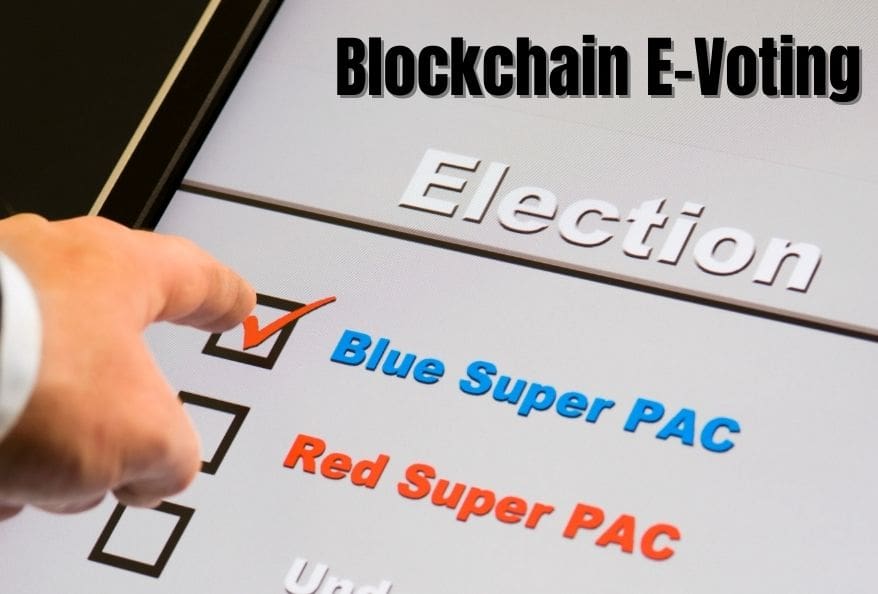
In today’s digital era, technology is rapidly transforming democratic processes. Among the most promising innovations is blockchain e-voting, a system that aims to improve election security, transparency, and accessibility. As concerns about election integrity continue to grow, many experts now view blockchain electronic voting as a reliable solution for future elections.
What Is Blockchain-Based E-Voting?
Blockchain-based e-voting is an electronic voting system that relies on blockchain technology, a decentralized and tamper-resistant digital ledger. In this system, the network records each vote as a secure transaction and stores it across multiple nodes.
Unlike traditional electronic voting systems, blockchain electronic voting prevents vote alteration after submission. At the same time, the platform protects voter anonymity, allowing individuals to verify their votes without revealing personal information. As a result, voters gain both security and confidence in the process.
Why Blockchain-Based E-Voting Matters
Stronger Election Security
First and foremost, blockchain-based e-voting significantly enhances election security. The system encrypts each vote and links it to previous records, creating an immutable chain. Consequently, hackers find it extremely difficult to manipulate or delete voting data.
Transparency and Public Trust
In addition, blockchain electronic voting systems increase transparency. Authorized parties can verify election data while voter identities remain protected. Therefore, citizens develop greater trust in the electoral process, which often leads to higher voter participation.
Greater Accessibility
Moreover, blockchain-based electronic voting allows citizens to vote remotely using digital devices. This advantage particularly helps overseas voters, people with disabilities, and individuals living in remote areas. As a result, elections become more inclusive and representative.
Challenges of Blockchain-Based E-Voting
Despite its potential to make elections more secure and transparent, blockchain-based e-voting faces several hurdles that must be addressed before it can be implemented on a large scale.
- Digital literacy concerns: Not all voters are comfortable using advanced digital platforms.
- Scalability issues: Current blockchain networks may struggle to handle millions of votes simultaneously.
- Infrastructure investment: Governments need to invest heavily in the necessary hardware and software.
- Cybersecurity requirements: Strong measures are required to protect against hacking and fraud.
- Voter education: Citizens need guidance and training to use blockchain e-voting effectively.
- Policy considerations: Policymakers must carefully address these challenges before national implementation.
Real-World Use of Blockchain Electronic Voting
Estonia’s Digital Voting Leadership
For example, Estonia has led the way in electronic voting for nearly two decades. Today, the country is exploring electronic voting systems to further improve security and transparency. Through this approach, Estonia continues to set a strong example for digital democracies worldwide.
Global Future of Elections
Meanwhile, many other countries are beginning to test blockchain electronic voting systems. As blockchain technology continues to mature, more governments may adopt these solutions to modernize elections, reduce fraud, and improve voter confidence.
The Future of Secure Digital Elections
Looking ahead, researchers and governments are actively improving secure digital elections. Specifically, they are focusing on scalability, usability, and legal compliance. At the same time, policymakers are exploring ways to integrate blockchain electronic voting into existing electoral frameworks.
Ultimately, blockchain-based e-voting represents more than just a technological upgrade. Instead, it supports a shift toward more inclusive, transparent, and resilient democratic systems.
Final Thoughts on Blockchain-Based E-Voting
In conclusion, electronic voting systems has the potential to transform how elections operate. By combining strong security, transparency, and accessibility, blockchain electronic voting addresses many weaknesses of traditional voting methods. Although challenges remain, continued innovation and policy support could make this technology a cornerstone of future elections.
Additionally, to stay updated with the latest developments in STEM research, visit ENTECH Online. Basically, this is our digital magazine for science, technology, engineering, and mathematics. Further, at ENTECH Online, you’ll find a wealth of information.
Reference:
- Jafar, M., & Ab Aziz, M. (2022). Blockchain-Based E-Voting Systems: A Technology Review. MDPI. https://doi.org/10.3390/technologies14020095
- Author
- Latest Posts

Kottauppari Venkat Raghava
I am an Information Technology graduate (B.Tech) and a technology writer specialising in artificial intelligence, robotics, automation, and space technologies. I analyse complex scientific research and convert it into clear, practical insights for students, tech enthusiasts, and professionals. My work bridges the gap between academic research and real-world understanding by simplifying findings from peer-reviewed journals into engaging, easy-to-follow content. Alongside my writing, I have hands-on experience developing real-world projects, showcased on my GitHub, including an Expense Tracker web application for managing and visualising spending, and a Simple Video Summariser that generates concise insights from video content using automation techniques. I also produce research-driven articles on topics such as AI-powered corrosion detection, deep learning in engineering, and advanced automation systems. I follow a research-driven approach, ensuring every article is grounded in verified sources, industry knowledge, and practical applications. My goal is to make advanced technology accessible and meaningful, helping readers stay informed about innovations shaping the future.