Control your health with a blood pressure tracker. Discover how regular tracking can prevent hypertension and save lives.
This One Simple Paper Trick Saves Your Heart Right Now
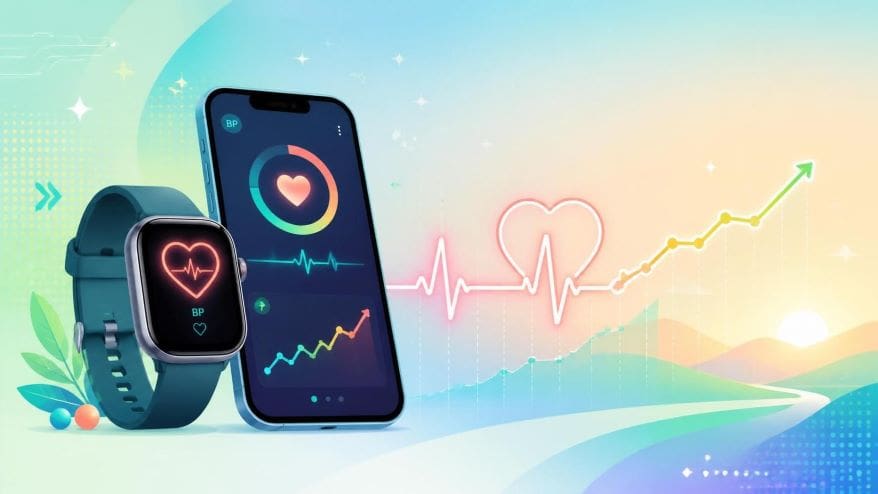
High blood pressure threatens millions of typical people every single day. At present, millions do not even know they are at risk. Hypertension damages your blood vessels slowly without causing any clear pain. At first, you might feel completely fine and healthy, layout-wise. While it may be true, the silent danger builds up inside your body. You must take control of your health with a smart tool. A regular blood pressure tracker can literally save your life from a stroke.
This simple habit provides clear data for your next doctor’s appointment. In fact, home tracking gives better numbers than occasional office checks. Some patients experience high stress when they see a doctor in person. This condition causes falsely high readings during your rapid checkup session. Before your next medical appointment, log your stats at home. You will collect real facts about your actual everyday cardiac health. Regular logging turns vague worries into useful medical data for your physician.
Key Takeaways: Blood Pressure Tracker
- Home tracking provides accurate data for your clinic visits.
- Correct posture ensures reliable daily numbers for heart safety.
- Consistent records help your doctor identify silent medical issues early.
How to Use a Tracker for Maximum Heart Protection
To explain, tracking requires a very strict and clear physical routine. Sit quietly for five full minutes before you press the start button. Do not speak or move your body during the automated measurement. Put your bare arm flat on a stable table at heart level. Place your feet flat on the floor without crossing your legs. At any rate, wrong posture changes your final numbers by many points. Buy an automatic blood pressure tracker for the most accurate home readings.

Fig. 1: Blood pressure tracker
To list, follow these vital steps for perfect numbers every morning:
- Empty your bladder before you start the morning test session.
- Avoid rich, caffeinated drinks or heavy smoking for thirty minutes prior.
- Keep your back fully supported against a strong and straight chair.
Take two blood pressure readings each day, two minutes apart. Add both numbers to your blood pressure tracker and average them for your official entry in your journal. Write the exact time of each reading in your logbook. Over time, this process helps you notice clear patterns. Share your blood pressure tracking records with your healthcare provider at regular visits so you can better understand your cardiovascular health in your daily routine.
Choosing the Right Tracking Method for You
You can choose between old paper logs and modern mobile device apps. Paper charts look simple, but they never lose your data during power crashes. Digital apps create beautiful, automatic graphs to help you view your numbers clearly. Similarly, both methods work well if you update them daily. Choose the tool that best fits your personal style and daily comfort. The best tool for tracking blood pressure is simply the one you use consistently.
The Shocking Numbers You Need to Know Today
To point out, numbers tell a very specific story about your arteries. The top number measures the intense pressure when your heart actively beats. The bottom number shows the pressure when your heart rests between beats. Medical experts group these numbers into four distinct stages. You must know your normal personal baseline to spot dangerous spikes quickly. Seeing that numbers fluctuate, a single high score is not a crisis. Look at the general trend lines to understand your true hypertension tracker risk.
Here is a helpful chart based on official American Heart Association guidelines:
| Blood Pressure Category | Systolic (Top Number) | Diastolic (Bottom Number) |
| Normal Health | Less than 120 | And less than 80 |
| Elevated Range | 120 to 129 | And less than 80 |
| Stage 1 Hypertension | 130 to 139 | Or 80 to 89 |
| Stage 2 Hypertension | 140 or higher | Or 90 or higher |
| Hypertensive Crisis | Higher than 180 | Or higher than 120 |
To summarize, Stage 2 requires immediate medical attention from a trained expert. Do not wait for serious symptoms to appear before seeking help. Hypertension earns its scary name as a dangerous silent killer for a reason. In the end, small lifestyle changes can lower these numbers over time. Daily tracking shows if your new diet actually improves arterial health. Track your numbers to monitor your arterial pressure as it drops after daily exercise.
Simple Habits That Make Your Tracker Smile
Another key point is your daily food choices and how much salt you get. Too much sodium can cause your body to retain extra fluid in your blood. This extra fluid increases pressure in your arteries. Keep your sodium low by eating fresh, whole foods.
Furthermore, potassium-rich foods can help your body better manage blood pressure. Using a blood pressure tracking routine can show how your food choices affect you over time. This approach supports a healthier heart and can help prevent sudden, high-pressure spikes.
To list, try these proven lifestyle upgrades for better chart results:
- Walk briskly for 30 minutes, 5 days a week.
- Reduce processed meals that contain hidden salts and chemical preservatives.
- Practice deep-breathing exercises to lower your daily stress hormones quickly.
So far, thousands of people have avoided lifelong medication through these habits. Track your progress daily to stay motivated on your health journey. Small positive choices lead to big improvements in your long life. Balance your daily work with relaxing moments to help your heart recover. With this intention, use your daily log to celebrate small healthy wins. Your tracker records your hard work through lower systolic numbers every single week.
Why Timing Matters for Your Logs
At the same time, check your blood pressure at the same hours each day. Our bodies follow natural internal biological clocks that constantly alter pressure levels. Morning readings often show higher numbers due to waking hormone releases. Evening logs provide a clearer picture of your late-day relaxation state. Compare these two distinct times to see how stress affects your body. Proper timing makes your home tracking vastly more effective for diagnosis.
Conclusion: Blood pressure tracker
To sum up, a tracking routine puts your health back in your hands. This simple practice removes guesswork from your regular clinic checkups today. Do not wait for a major medical emergency to start your logbook. Grab a reliable cuff tool and begin your testing journey tomorrow morning. Your heart works hard for you every single second of the day. Treat your body with the respect and focused care it truly deserves. Start your personal health log today for a much safer tomorrow.
Frequently Asked Questions: Hypertension Tracker.
What is the best time of day to track blood pressure, tracker?
Take your readings twice daily, once in the morning and once at night. Keep the times consistent every day to obtain accurate trend data. Avoid food, caffeine, and exercise for thirty minutes before you start.
How does a home tracker help my doctor?
It provides a long list of real numbers from your normal environment. This prevents white coat syndrome from skewing your medical data during visits. Your doctor can make much better medication choices using these logs.
Can anxiety cause temporary high blood pressure readings?
Yes, sudden stress or a panic spike can instantly raise your numbers during a test. Sit quietly for five minutes to relax your mind before tracking. Consistent trends matter much more than a single high reading when you’re anxious.
Why do I get different numbers on each arm?
Small differences between your left and right arms are completely normal. Use the arm that consistently shows higher numbers for your official tracking. Discuss any major difference greater than ten points with your doctor.
How often should I calibrate my home tracking device?
Bring your home machine to your medical office once every year. Your nurse can verify its accuracy against the official clinic wall monitor. This ensures your home data remains completely trustworthy for long-term tracking.
References
1. Tucker, K. L., Sheppard, J. P., Stevens, R., Bosworth, H. B., Bove, A., Bray, E. P., Earle, K., George, J., Godwin, M., Green, B. B., Hebert, P., Hobbs, F. D. R., Kantola, I., Kerry, S. M., Leiva, A., Magid, D. J., Mant, J., Margolis, K. L., McKinstry, B., … McManus, R. J. (2017). Self-monitoring of blood pressure in hypertension: A systematic review and individual patient data meta-analysis. PLOS Medicine, 14(9), e1002389. https://doi.org/10.1371/journal.pmed.1002389
2. Stergiou, G. S., Kario, K., Kollias, A., McManus, R. J., Ohkubo, T., Parati, G., & Imai, Y. (2018). Home blood pressure monitoring in the 21st century. The Journal of Clinical Hypertension, 20(7), 1116–1121. https://doi.org/10.1111/jch.13284
3. McManus, R. J., Little, P., Stuart, B., Morton, K., Raftery, J., Kelly, J., Bradbury, K., Zhang, J., Zhu, S., Murray, E., May, C. R., Mair, F. S., Michie, S., Smith, P., Band, R., Ogburn, E., Allen, J., Rice, C., Nuttall, J., … Yardley, L. (2021). Home and online management and evaluation of blood pressure (HOME BP) using a digital intervention in poorly controlled hypertension: randomized controlled trial. BMJ, m4858. https://doi.org/10.1136/bmj.m4858
4. Lee, E. M. (2024). This article discusses when and how to use ambulatory and home blood pressure monitoring to manage hypertension. Clinical Hypertension, 30(1). https://doi.org/10.1186/s40885-024-00265-w
5. Guzman, I., Glowacki, N., Chase, J., Brill, J., Biskis, A., & Khatib, R. (2025). Self-measured blood pressure monitoring in primary care: Retrospective analysis from a large US healthcare system. Clinical Epidemiology, Volume 17, 1039–1047. https://doi.org/10.2147/clep.s556353
- Author
- Latest Posts

Ramya Dobbala is a pharmacist and science communicator dedicated to bridging the gap between complex pharmaceutical research and public understanding. A 2024 B.Pharmacy graduate, Ramya has a strong foundational background in formulation science, having spearheaded research into the evaluation and formulation of anti-acne creams. Her work focused on optimizing topical delivery systems to enhance treatment efficacy and skin health.
Transitioning from the laboratory to the forefront of scientific discourse, she now leverages her technical expertise to translate intricate healthcare concepts into accessible, engaging content. As an author and communicator, Ramya is passionate about empowering audiences with evidence-based insights, particularly in the realms of dermatology and pharmaceutical innovation.