Botanical Research Scientist: Exploring Plant Genomics and Conservation
Botanical Research Scientist: Advancing Plant Science & Genetics

A Botanical Research Scientist deeply studies plants. If you are curious about careers in botanical research, this job is all about learning how plants live and grow. It also looks at how plants pass on traits. That part is called genetics. For example, a scientist might study why some plants are strong against bugs. They might also look at how to make crops grow faster or use less water. To do this work, you need a strong degree. Most people have a Master’s or a PhD. We also need lab skills. You use tools to look at plant cells and DNA. You run tests to see what happens when you change a plant. Then you write down what you find. This helps other people learn too. The goal is to improve plants for food, medicine, or the environment.
Key Takeaways
Botanical Research Scientists study plants in a lab or field. This job is about plant science and genetics. You learn how plants grow and pass on traits. For example, you can make crops more resistant to bugs. You can also help plants use less water. To do these tasks, you need a solid degree. In the end, your work helps feed people and save nature.
Responsibilities of a Botanical Research Scientist
In Botanical Research Careers, a Botanical Research Scientist has many jobs to do. First of all, they plan and run studies on plants. They watch how plants grow and change. In addition, they collect samples from fields or forests. Next, they take these samples to a lab for tests. For example, they look at plant cells and DNA under a microscope. They also run experiments to see how plants react to light, water, or soil conditions. As a result, they find out what helps or hurts a plant.
Moreover, they write down all their findings in clear reports. This helps other scientists learn from their work. Furthermore, they share their results at meetings or in papers. On top of that, they work with teams of other experts. For instance, they might team up with farmers or environmental groups. This helps solve real-world problems such as food shortages and sick forests.
Finally, they help teach new students or lab assistants. They show others how to use tools and work safely. In conclusion, a Botanical Research Scientist does a mix of lab work, fieldwork, and teamwork. All of these tasks help advance plant science and make the world a better place.
Molecular Biology Techniques in Botanical Research
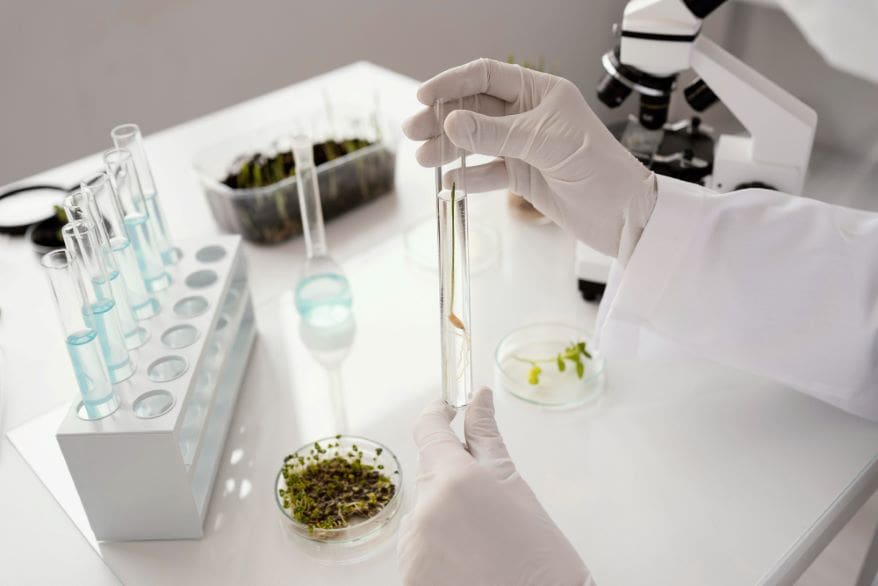
In Botanical Research Careers, Molecular biology techniques help Botanical research scientists study plants at a microscopic level. First, they look at plant DNA. This is like a plant’s instruction book. One common tool is PCR. It makes many copies of a small piece of DNA. As a result, scientists can study it better. In addition, they use gel electrophoresis. This tool separates DNA by size. It helps them see different parts. Moreover, scientists use gene editing. For example, CRISPR is a popular tool for editing plant genes. These techniques can make plants stronger or grow faster.
Field Research Methods in Botany
Field research methods help botanical researchers conduct research in natural settings. First of all, they go to forests, fields, or mountains to watch plants. They look at how plants grow where they live. In addition, they use a tool called a quadrat. This is a square frame placed on the ground. It helps them count how many plants are in one spot. Moreover, botanists collect plant samples. They pick leaves, flowers, or roots. Then they press and dry them for later study. This is called a herbarium sample. It helps them identify plant species.
Careers in Government and Private Plant Research
In botanical research careers, there are many plant research jobs in both government and private companies. First of all, government jobs are often at state or national agencies. For example, you can work for the U.S. Department of Agriculture. You might also work for a state park or forest service. In botanical research, a scientist’s job is to study plants to protect nature. You also help farmers grow better crops. As a result, you help the public and the environment. In addition, there are jobs at universities. Many universities have plant research labs. You can work as a research assistant or a professor. You teach students and run your studies. This is a useful way to explore new ideas about plants. On the other hand, private companies also need plant experts. For example, seed companies such as Bayer and Syngenta hire botanists.
Future Trends in Botanical Research
Future trends in botanical research careers are very exciting. To begin with, technology will be very important. Scientists will use more drones and satellites. These tools watch plants from above. As a result, they can spot sick plants or dry areas fast. In addition, artificial intelligence will be helpful. AI can quickly analyze large amounts of plant data. It finds patterns that humans might miss. This helps scientists make better guesses about plant health. Moreover, gene editing will grow. A tool called CRISPR is already popular. It lets scientists precisely edit plant genes. For example, they can make crops that need less water. They can also make plants that resist bugs without using spray. As a result, farming can be safer for nature.
In Botanical Research Careers, Climate change is a big focus. Botanists will study how plants adapt to hot or dry weather. They will look for plants that can survive tough conditions. Then they can use those plants to protect farms and forests. This is crucial for future food supply. Another trend is plant-based materials. Scientists are finding new ways to use plants. For example, they can make plastic from corn. They can also make fuel from algae. This helps reduce trash and pollution. In the same way, plants can be used to make new medicines. Botanists will continue to search for rare plants with healing powers.
In botanical research careers, Urban farming will grow. Cities will have more green roofs and vertical gardens. Botanists will study how to grow food in small city spaces. This means people can get fresh food close to home. Finally, conservation will be a key trend. Many plants are at risk of dying out. Botanists will work diligently to save them. They will store seeds in seed banks. They will also restore damaged wild lands.
Frequently Asked Questions: Botanical Research Careers
What does a botanical research scientist do?
A botanical research scientist studies plants. They learn how plants grow. They also learn how plants pass on traits. This is called genetics. They study how plants live and work. This is called physiology. They look at how plants change over time. This process is called evolution. They also watch how plants interact with nature. For example, they see how plants use sunlight, water, and soil.
Where do botanical research scientists work?
Botanical research scientists work in many different places. First of all, they work in universities. They teach students and run labs. In addition, they work for the government. For example, they are employed at the U.S. Department of Agriculture. They also work at state parks and forest services.
How does plant genetics research help society?
First of all, it helps make crops more resistant to disease. This means plants become sick less often. As a result, farmers grow more food. In addition, it improves food security. This means more people have enough to eat. Moreover, it helps save endangered plants. Scientists can study and protect rare species.
References
- Dean, G. H., Muriithi, A. N., & Culley, T. M. (2020). Conducting botanical research with limited resources: Low‐cost methods in the plant sciences. Applications in Plant Sciences, 8(4), e11341. https://doi.org/10.1002/aps3.11341
- Yang, H., Liu, X., Luo, Z., Zhang, R., & Ma, Y. (2026). Plant genome data sharing: A call toward fully open access. Plant communications, 7(5), 101696. https://doi.org/10.1016/j.xplc.2026.101696
- Author
- Latest Posts

I completed my Master of Science from the University of Allahabad in 2017 with a strong academic background in life sciences and chemistry. My specialization included Molecular Biology, Microbiology, Genetics, Plant Breeding, Phycology, Paleobotany, and Bioinformatics, along with Organic Chemistry, Inorganic Chemistry, and Physical Chemistry. This multidisciplinary training provided me with a comprehensive understanding of biological systems and analytical scientific approaches.
After completing my postgraduate studies, I gained valuable professional experience in both the education and social development sectors. I worked at A.M. Oxford Public School, where I was actively involved in guiding students toward academic excellence. In this role, I focused on creating an engaging learning environment, encouraging critical thinking, and nurturing students’ curiosity for scientific learning. My experience as an educator strengthened my communication, mentoring, and classroom management skills.
In addition to my teaching experience, I worked with Jeevan Jagriti Foundation, where I contributed to community-based initiatives aimed at improving educational access and awareness among underprivileged sections of society. Through this work, I participated in programs designed to support social development and promote the value of education in marginalized communities.
These professional experiences helped me develop strong interpersonal, leadership, and organizational skills while reinforcing my commitment to education and community service.