Horticulture Degree Opportunities in Horticultural Innovation
Horticulture Degree Career Guide and Job Outlook 2026
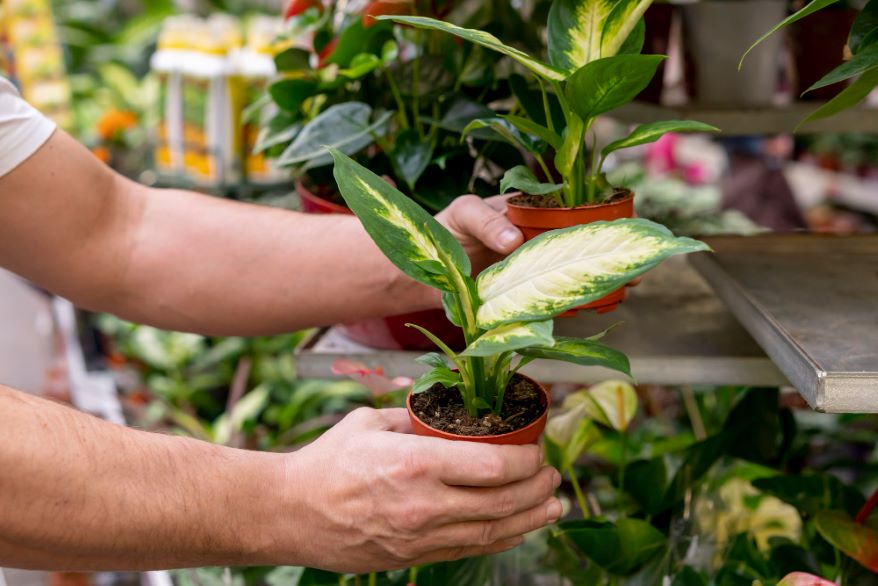
First, a horticulturist is a person who works with plants. They grow flowers, fruits, vegetables, and trees. They also study how to keep plants healthy. Consequently, this profession is a great career for people who love nature and working outside. To start, you usually need a degree in plant science or a related field—often, people choose to earn a horticulture degree. However, some jobs only need a certificate or hands-on experience. First, you learn about soil, water, pests, and plant diseases. Then, you can work in many places. For example, you might work on a farm, in a garden center, or for a city park. You could also work in a lab or a greenhouse. Similarly, some horticulturists help with environmental projects. They restore forests or build green spaces in cities. Now, let’s look at the job outlook for 2026. The news is promising. Jobs for horticulturists are growing. In fact, the demand is rising fast.
Key Takeaways: Horticulture Degree
A horticulturist is a plant expert. They grow flowers, fruits, vegetables, and trees. They also keep plants healthy. Consequently, this position is a great job for nature lovers. To start, you can get a degree in plant science. However, some jobs only need a short certificate or hands-on training. First, you learn about soil, water, and pests.
Essential Horticulture Skills
First, to be a competent horticulturist, you need some key skills. Plant knowledge is number one. You must know how to grow flowers, fruits, and vegetables. You also need to understand soil. Good soil means healthy plants. First, learn about watering. Too much or too little water can kill plants. Next, learn about pests. Bugs and diseases can hurt your plants. Consequently, you need to spot problems early. In addition, you need basic math skills. You will measure soil, count seeds, and mix fertilizers. Similarly, physical strength helps. The job often means lifting, digging, and standing all day. However, you also need patience. Plants take time to grow. You cannot rush them. As a result, a calm and steady attitude is key. Furthermore, communication skills matter. You may teach others about plants or work on a team.
B.Sc. Horticulture Career Path

First, a BSc in Horticulture is a great degree. It opens many doors for plant lovers. After you finish your degree, you have many job options. For example, you can become a farm manager. You would grow fruits, vegetables, or flowers for sale. Similarly, you can work as a landscape designer. You would plan and build beautiful gardens and parks.
Furthermore, you could work in a plant nursery. You would care for young plants and sell them to customers. In addition, some graduates work for the government. They help with city parks, forests, or environmental projects. Another option is research. You could work in a lab to study plant diseases or new growing methods. Similarly, you might become a teacher. You could train new students at a college or university.
M.Sc. Horticulture Opportunities
First, an M.Sc. degree in Horticulture is a big step forward. It provides you with in-depth knowledge and expands your opportunities. Consequently, you have better job options and higher pay. For example, you can become a research scientist. You would study plant diseases, genetics, or new growing methods in a lab. Similarly, you could work as a crop consultant. You would advise farmers on how to grow more food with fewer problems. In addition, you might lead big projects. For instance, you could design green cities or restore damaged forests.
Furthermore, teaching is a highly rewarding option. With an MSc, you can train new students at a university or college. Another exciting path is agribusiness. You could work for a seed company or a plant tech startup. You might even start your own business. In addition, the job outlook for 2026 is strong. Companies and governments need experts who deeply understand plants.
.
Landscape Horticulture Careers
First, landscape horticulture is all about making outdoor spaces beautiful. This career is perfect for people who love plants and design. For example, you can become a landscape designer. You plan gardens, parks, and yards. You choose the right plants, trees, and flowers for each space. Similarly, you can work as a landscape installer. You dig, plant, and build the actual garden. You lay sod, set stones, and install sprinklers. In addition, you can become a landscape manager. You take care of large properties such as hotels, golf courses, and office parks. You mow, prune, water, and keep everything looking nice.
Furthermore, some people start their landscaping business. You can hire a small team and find your own clients. This gives you freedom and decent pay.
Horticultural Consultant Careers
A horticultural consultant is a plant expert who gives advice. You help people solve plant problems. For example, a farmer might call you. Their crops are sick, and you identify the cause. Similarly, a city might hire you. They want to plant trees along a new street, and you help choose the best ones. In addition, you might work with garden centers. You teach their staff how to care for plants and help customers. Consequently, this profession is a flexible career. You can work for yourself or for a consulting firm. First, you need strong plant knowledge. You must understand soil, pests, diseases, and climate. A degree in horticulture helps a lot. Most consultants have a BSc or MSc degree. However, experience is also critical. You need to have worked with plants for several years.
Horticulture Extension Services
Horticulture extension services help people learn about plants. They bring expert knowledge to farmers, gardeners, and communities. For example, an extension officer might visit a farm. They teach the farmer how to grow more food or stop pests. Similarly, they might hold a workshop in a town. People learn how to start a vegetable garden or care for their trees. In addition, extension services answer questions. You can call or email them with plant problems. They will help you find a solution. Consequently, these services are free or low-cost. The government or universities pay for them. First, extension officers need strong plant skills. A degree in horticulture or agriculture is common. However, they also need to be effective teachers. They must explain things in simple, clear ways.
Biotechnology in Horticulture
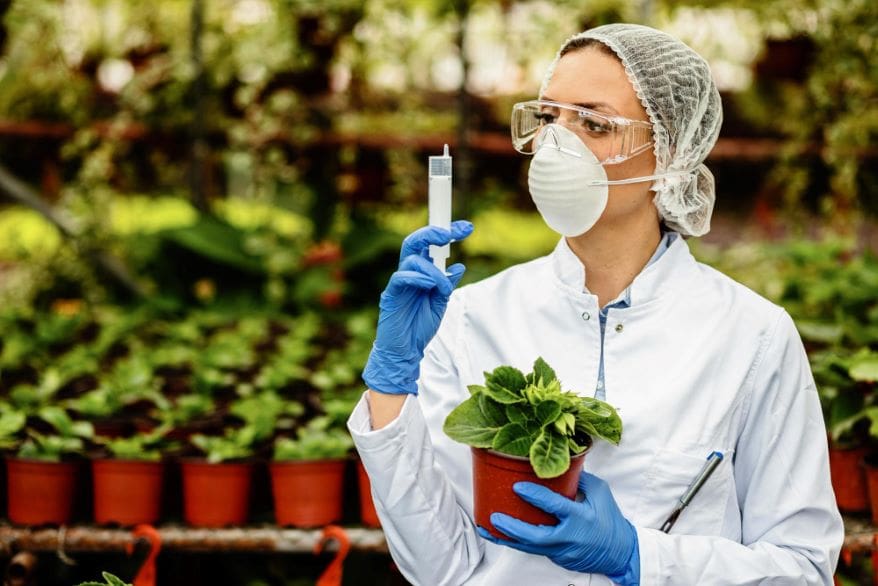
Biotechnology uses science to help plants grow better. It is a powerful tool in horticulture. For example, scientists can change a plant’s genes. This makes the plant stronger. It might resist pests or survive in dry soil. Similarly, biotechnology can extend the shelf life of fruits. This means less food waste. In addition, it helps create new plant varieties. For instance, you might see a rose with a new color or a tomato that tastes sweeter. Consequently, farmers can grow more food using less water and fewer chemicals. First, this field is very exciting for plant lovers who also enjoy science, especially for those with a horticulture degree. You might work in a lab. You would study plant DNA and test new methods. Alternatively, you could work for a seed company. You help develop new seeds for farmers. Furthermore, biotechnology helps the environment. It can reduce the need for pesticides.
Job Outlook with Horticulture Degree for 2026
The job outlook for horticulture in 2026 is promising. Jobs in this field are growing fast. Why? People care more about healthy food and green spaces. For example, more families want fresh fruits and vegetables from local farms. Similarly, cities are planting more trees, parks, and gardens. This means they need skilled workers. Consequently, many types of jobs are open. You could work on a farm, in a garden center, or for a city park. You could also work in a lab or a greenhouse. In addition, climate change creates new problems. Plants face new pests and dry weather. As a result, experts are needed to develop solutions. The pay is fair too. Entry-level jobs pay well, and experienced workers earn even more. Furthermore, the growth rate is higher than in many other jobs.
Frequently Asked Questions: Horticulture Degree
What does a horticulturist do?
A horticulturist is a plant expert. They study and grow fruits, vegetables, flowers, and trees. They also care for garden and park plants. In short, their job is to help plants grow strong. They work to get more food, make plants healthier, and protect the environment.
What qualifications are needed to become a horticulturist?
Most horticulturist jobs ask for a B.Sc. degree. You can study plants, farming, or nature. This is a good start. But for top jobs in science or leadership, you need more school. An M.Sc. or Ph.D. in Horticulture helps you go further. As a result, you can earn more and lead bigger projects.
What are the top career options for horticulture graduates in 2026?
Popular careers include horticulturist, plant breeder, greenhouse manager, nursery manager, landscape designer, horticultural consultant, research scientist, and agribusiness specialist. Emerging fields include hydroponics, vertical farming, and precision horticulture.
References
Yusuff, A. Q., Abiola, I. O., Ohaegbulam, J. C., & Oyewumi, R. V. (2019). Awareness and perception of secondary school students regarding their choice of horticulture as a career. Journal of Agricultural Research Advances, 1(4), 6–12. Retrieved from Journal of Agricultural Research Advances
Meyer, M. H., Needham, D., Dole, J., Trader, B., Fox, J., Conley, M., Neff, M., & Shaw, J. (2016). The importance of horticulture and its perception as a career. HortTechnology, 26(2), 114–120. https://doi.org/10.21273/HORTTECH.26.2.114
- Author
- Latest Posts

I completed my Master of Science from the University of Allahabad in 2017 with a strong academic background in life sciences and chemistry. My specialization included Molecular Biology, Microbiology, Genetics, Plant Breeding, Phycology, Paleobotany, and Bioinformatics, along with Organic Chemistry, Inorganic Chemistry, and Physical Chemistry. This multidisciplinary training provided me with a comprehensive understanding of biological systems and analytical scientific approaches.
After completing my postgraduate studies, I gained valuable professional experience in both the education and social development sectors. I worked at A.M. Oxford Public School, where I was actively involved in guiding students toward academic excellence. In this role, I focused on creating an engaging learning environment, encouraging critical thinking, and nurturing students’ curiosity for scientific learning. My experience as an educator strengthened my communication, mentoring, and classroom management skills.
In addition to my teaching experience, I worked with Jeevan Jagriti Foundation, where I contributed to community-based initiatives aimed at improving educational access and awareness among underprivileged sections of society. Through this work, I participated in programs designed to support social development and promote the value of education in marginalized communities.
These professional experiences helped me develop strong interpersonal, leadership, and organizational skills while reinforcing my commitment to education and community service.