Learn how a small robot's journey can inspire students to explore music and engineering in exciting STEM activities.
Can a Small Robot Have a Personality? A STEM Sound-Design Challenge
Estimated reading time: 6 minutes
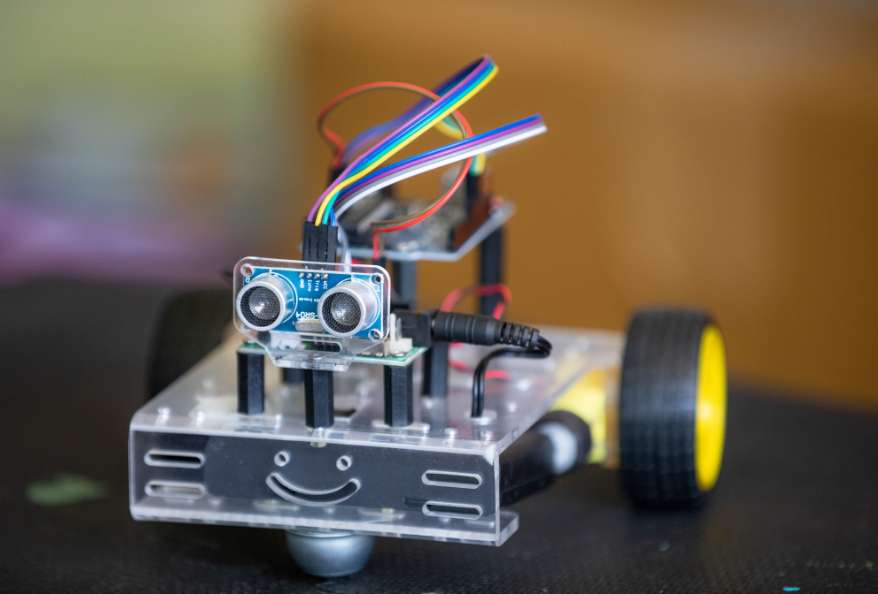
A classroom robot rolls across a table, stops at a cardboard obstacle, and reverses. The engineering works, but the demonstration feels oddly unfinished. What if students gave the robot a musical introduction that helped an audience understand its character? One team might imagine a careful explorer; another might picture an impatient delivery bot. With AI Song, students can describe possible music without first learning an instrument. The interesting work remains theirs: setting constraints, comparing results, and explaining why a sound fits a machine’s movement. Here is a STEM design challenge that treats generated music as material to investigate rather than a shortcut to a finished presentation.
The Design Brief: Make Movement Understandable Through Sound
Set a simple fictional task: a small robot must travel from a starting line to a marked destination, pause, and return. The audience cannot hear an explanation while it moves. Students may add a short musical background to communicate the robot’s personality, but the soundtrack must not drown out its motor or any safety instructions.
The class needs no expensive robot. A toy car, cardboard mechanism, or recorded demonstration can stand in for one. What matters is a visible sequence with a beginning, obstacle, decision, and ending. Assign each group a different description, such as curious, cautious, or playful. Encourage them to define the words through observable choices. A cautious robot might pause before turning. A playful one might accelerate after clearing the obstacle.
This is an engineering brief because it has a user, a purpose, and limits. Students are not simply being asked to make a song they like. They must make audio that serves a particular demonstration.
Also Read: Human Robot Safety: Future of Industry 5.0
Build the First Prototype Without Touching the Robot
Before opening a music generator, students can storyboard the run on paper. Mark where the robot starts, where it pauses, and where spectators need to notice a change. Then describe the audio in ordinary language. “Light instrumental music, measured rhythm, curious feeling, no dramatic vocals” is more useful for this assignment than “the most amazing futuristic song ever.”
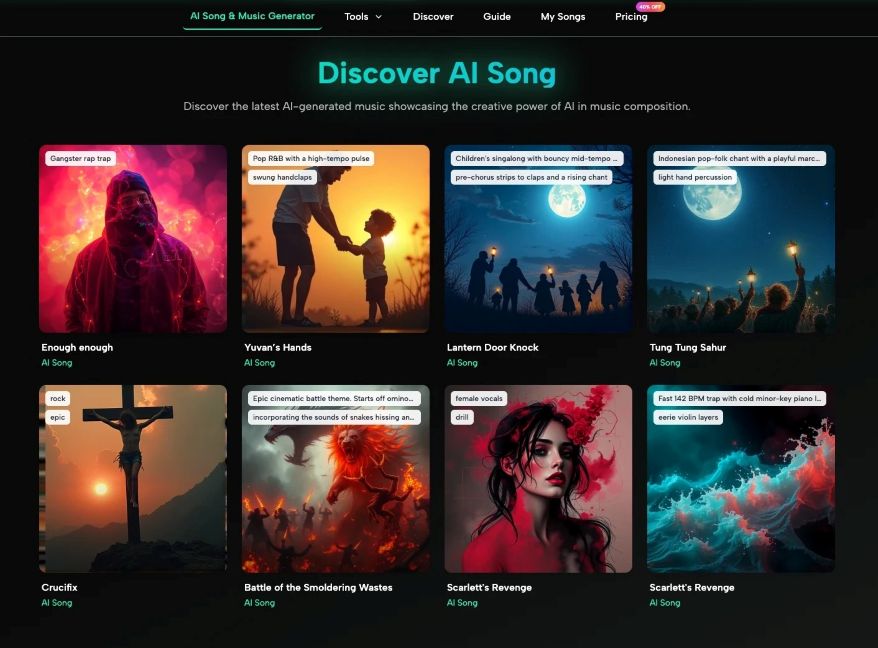
AI Music Generator makes it possible to test those written descriptions against actual sound. AISong’s publicly described music generation supports style and mood descriptions and an instrumental option. Students can use those capabilities to explore alternatives. They should still listen closely: a prompt is a request, not a guarantee that every musical detail will be followed.
Give the teams one rule for the first round: hold the robot footage constant. Otherwise they cannot tell whether a stronger result came from the music or a completely different video edit.
Three Prototype Trials, Three Different Questions
1. Does Pace Change the Robot’s Apparent Behavior?
Pair the same sequence with a relaxed musical pulse and a livelier one. Do not tell the viewing group which personality the designers intended. Ask people to write down what they infer from the movement and sound together. Some may read a slow rhythm as deliberate; others may read it as hesitant. Students should record that disagreement rather than erase it.
If the robot’s motor produces an irregular noise, avoid choosing music solely because its beat matches one lucky moment. The aim is a clear overall relationship, not an illusion of laboratory precision.
2. Can a Change in Instrumentation Signal a New Phase?
Imagine the robot stops in front of the obstacle. A sparse piano-led piece may leave that pause feeling open. A fuller electronic arrangement may make the same pause seem more urgent. Students can compare examples while keeping their written mood description broadly similar.
Explain timbre as the recognizable character of a sound: why a piano and guitar can play the same note yet feel different. Generative output may combine instruments unexpectedly, so learners should describe what they actually hear instead of assuming the requested instrument is always isolated.
3. When Does the Soundtrack Become a Distraction?
Play one version with prominent vocals and another without singing. Ask a few classmates to retell the robot’s route. Did they remember the turn, or did they focus on the words? The test is especially useful when a live presenter must narrate the demonstration.
A group that prefers vocals can defend that choice, but it needs an audience-based reason. Personal taste matters; it just does not answer every design question.
Put the Listening Results on One Sheet
A basic decision record prevents the loudest group member from declaring a winner without evidence. Students do not need specialist audio software to use it.
| Design question | Evidence to collect | Revision to consider |
| Does the start feel curious? | First impressions from classmates | Try a lighter opening |
| Is the obstacle obvious? | Can viewers identify the pause? | Reduce musical activity there |
| Can people hear the presenter? | Words missed during playback | Lower the music or choose instrumental audio |
| Does the ending feel complete? | Reactions after the return | Adjust the final edit or choose another track |
The table records observations, not universal laws about emotions and music. A listener’s age, musical background, and expectations can affect their interpretation. If a group changes the robot footage and the music together, note that the trial cannot isolate the effect of sound. This small distinction introduces a valuable scientific habit: knowing what an experiment can and cannot show.
A Fair Test Needs a Few Quiet Rules
Run each version at a comparable playback level so volume alone does not decide the audience’s reaction. Use the same screen, room, and robot route when collecting feedback. If one group presents its favorite track with an excited introduction while another plays without explanation, the comparison is less meaningful. Teachers can also invite students who find loud music uncomfortable to comment on written storyboards instead. The lesson should welcome different ways of observing. In a STEM project, accessible presentation is not a bonus feature; it is part of designing for the people who will experience the result.
Also Read: Acoustics Science: A Guide for Young Learners
Give the Students an Audience, Not Just a Grade
Invite another class to watch the final robot demonstrations with no advance explanation of each machine’s supposed personality. Give visitors a two-question card: “What kind of character did you imagine?” and “What sound or movement led you there?” The designers can then compare intentions with responses.
A final presentation should include the original brief, two short audio examples, the chosen version, and one trade-off. For instance, a team might admit that the livelier soundtrack drew attention but covered the sound of the robot turning. Explaining why they chose a quieter option shows engineering judgment, even if classmates liked the louder music more.
Discuss authorship plainly. Students designed the problem, supplied descriptions, evaluated output, and edited the demonstration; they did not perform every musical note. Credit the tool when appropriate, and check school policies before sharing student footage or publishing generated audio beyond class. Avoid placing student names or personal information in prompts when those details are unnecessary.
Conclusion: STEM sound-design challenge
The robot does not need a soundtrack to move across a table. The music gives students a second system to design, test, and improve. They begin with an audience problem, make a constrained prototype, gather observations, and defend a decision. A class can complete the challenge with simple footage and a listening worksheet, then scale it up for a science fair or robotics club. The most useful question is not “Did the AI make a good song?” but “What did our choices help people notice?” Try the challenge with one short robot run and let the evidence guide the next version.
Reviewed by Ayush Deshpande on September 23, 2026Edited by Juveriya Khan
Note: The article includes external links to third-party services; readers should independently evaluate any referenced platforms before engaging.
- Author
- Latest Posts

Deven Nandapurkar is a Software Engineer, Project Lead; working at the strategic intersection of software engineering, productivity science, and emerging technologies. Driven by a core philosophy of “building things worth building,” he leads cross-functional teams and drives end-to-end technical strategy—from early-stage conceptualization through production-grade deployment.
A Computer Engineering graduate from Pune University, Deven brings a sharp systems-thinking approach to technical leadership, honed by years of managing high-stakes engineering projects and leading teams to top placements in national and international hackathons, including the NASA Space Apps Challenge and the Peerlist GenAI Hackathon.
Deven explores how human cognition and emerging technology converge. He regularly writes about cognitive performance optimization, attention management, AI integration, and the evolving dynamics of the modern workforce – offering actionable frameworks for professionals seeking to maximize their productivity and thrive alongside intelligent systems.