Enzymes are biological catalysts that speed up chemical reactions.
Enzymes Explained: How Biological Catalysts Make Life

Estimated reading time: 11 minutes
Your body never stops working. It digests food, repairs tissue, and builds new cells. Each task needs chemical reactions. Most reactions are far too slow on their own. Without help, digestion would take years. At the present time, scientists understand the helpers behind these tasks. They call them enzymes. An enzyme is a biological catalyst. This article explains what that means. To explain, we will define the term in plain words. What’s more, we will show how these proteins operate. Above all, we will answer one question. What are biological catalysts? By the end, you will see them in action. Sooner or later, you will meet them in food and industry. To list the facts simply, enzymes make life possible. In short, let us begin with a clear definition.
Key Takeaways: What are biological catalysts
- Enzymes are biological catalysts that speed up chemical reactions.
- They lower activation energy without being consumed.
- Most enzymes are proteins with precise three-dimensional shapes.
- Each enzyme acts on one specific substrate.
- Enzymes power digestion, medicine, industry, and green chemistry.
What Are Biological Catalysts?
Enzymes are the workhorses of every cell. In essence, enzymes are proteins that speed up reactions. They lower the activation energy of a reaction. That means they make hard chemistry easy. After all, the catalyst never gets used up. It survives to work again. To explain this simply, imagine a busy factory. Workers pass parts along a line. Each worker speeds up the process. No worker disappears after one part. Enzymes act the same way. What are biological catalysts? They are nature’s factory workers. As a result, your cells rely on them constantly. Without them, metabolism would crawl. In fact, most life processes would stop entirely. So enzymes matter more than most people think. Every breath you take uses them. Each bite you eat depends on them. All in all, they run the show.
Biological Catalysts Lower Activation Energy
Every reaction needs a spark. In essence, scientists call that spark activation energy. Biological catalysts shrink that spark dramatically. They stabilize the transition state instead. This trick makes the reaction far faster. To illustrate, think about carbonic anhydrase. This enzyme handles carbon dioxide in your blood. It converts over half a million molecules each second. That pace is truly breathtaking. Without the enzyme, the same step crawls. So the difference is enormous. Provided that conditions stay steady, enzymes excel. They keep your blood moving and your lungs clear. To put it another way, they are speed demons. Their power comes from their structure. In fact, that structure fits the substrate perfectly. So the reaction happens with ease. What’s more, the enzyme stays unchanged. It can repeat the process forever. That is efficiency at its best.
Biological Catalysts Show High Specificity
Enzymes are picky about their partners. Each one accepts only certain substrates. This trait is called specificity. To illustrate, think of a lock and its key. Only the right key turns the lock. That idea came from Emil Fischer in 1894. Scientists call it the lock-and-key model. Take the case of glucose oxidase. That enzyme works only on glucose. It ignores every other sugar. Doctors use this trick in blood tests. To repeat, specificity keeps reactions clean. In general, wrong products never form. So cells stay safe and ordered. With this in mind, precision is precious. At the same time, the active site checks every detail. That gatekeeping protects your body. So enzymes choose their work wisely. At any rate, specificity is a superpower. It lets many reactions share one space. Your cells pack thousands of enzymes together. Each one minds its own business. That order keeps life running smoothly.
How Do Biological Catalysts Work?
Every enzyme has a special pocket. Scientists call it the active site. The substrate slides into this pocket. Then the enzyme goes to work. The two form an enzyme-substrate complex. At this point, chemistry gets interesting. As a result, bonds stretch and atoms shift. Finally, products leave the pocket. The enzyme stays ready for more. This cycle repeats thousands of times. To explain, watch how a zipper works. Teeth line up before they lock. Then the slider joins them together. After that, it zips the whole row. Enzymes zip molecules the same way. The active site guides the dance. In effect, shape and charge matter the most. So the right substrate fits snugly. The wrong one bounces right off. That precision prevents wasted effort. What’s more, it stops harmful side reactions. In short, enzymes are master matchmakers. They bring partners together at the right time. Then they step away quietly.
The Lock-and-Key Model
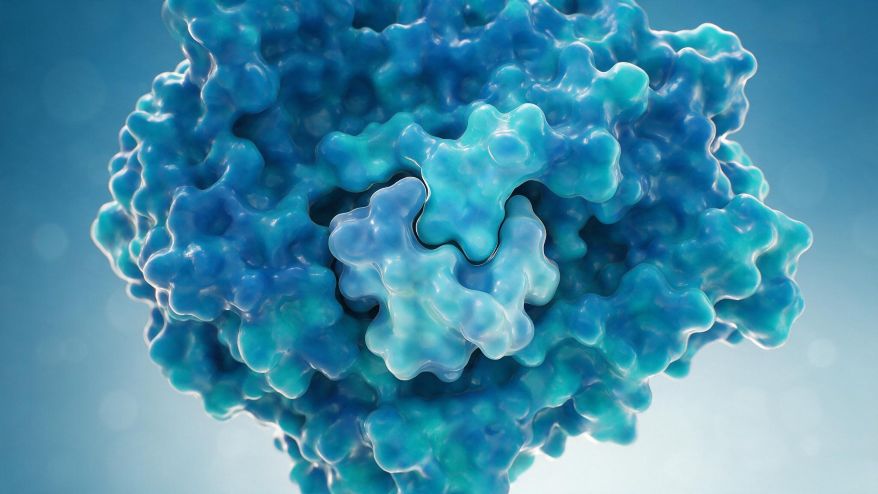
Emil Fischer proposed the lock-and-key model. An enzyme acts like a rigid lock. Its substrate is the perfect key. In essence, they match each other’s shape exactly. So binding happens fast and easy. This model explains enzyme specificity. It works well for many simple cases. At first, scientists loved this idea. It made enzymes easy to picture. Still, some results puzzled them. At the same time, some enzymes changed shape after binding. That behavior needed a new model. So researchers kept searching for answers. As a result, their work led to a better idea. Picture a lock that reshapes itself. After all, the key still opens it. But the lock flexes during the turn. That flexibility is the next big idea. It makes enzymes even more useful. With this in mind, their shapes adapt to many situations. So the story grows richer. To be sure, keep this history in mind.
The Induced-Fit Model
In 1958, Koshland proposed a new idea. He called it the induced fit model. At this point, the enzyme shape changes upon binding. It wraps around the substrate snugly. This snuggle strengthens the reaction. Koshland studied specificity closely. His model explains flexible enzymes. To illustrate, think of a handshake. Two hands adjust to fit together. At the same time, neither hand stays perfectly still. That mutual change is the induced fit. In fact, modern evidence supports this model. It explains many tricky reactions. So the lock-and-key view grew richer. In reality, enzymes often sit between both views. The active site adapts as needed. So enzymes handle varied substrates. By and large, that versatility powers your metabolism. It also drives many industrial processes. As a matter of fact, this model matters widely. Enzyme engineers use it daily. What’s more, they design better catalysts on purpose. So this knowledge guides their work.
What Are Biological Catalysts Made Of?
Most enzymes are proteins. Proteins are chains of amino acids. These chains fold into complex shapes. The folding decides the enzyme’s job. Each fold creates the active site. In effect, structure equals function here. A single wrong fold can ruin everything. That is why heat damages enzymes. Heat unwinds their careful folds. This process is called denaturation. Once denatured, the enzyme stops working. So your body guards its enzymes closely. It keeps temperature steady and safe. That stability lets life continue. For the full biochemistry picture, read our beginner’s guide. It explains proteins in plain terms. Enzymes can also be RNA molecules. Those rare catalysts are ribozymes. At any rate, they handle some gene tasks. Proteins remain the star players. After all, they run most of your chemistry. What’s more, their shapes are truly remarkable. By comparison, small molecules do less. In sum, proteins win the catalysis game.
Biological Catalysts Need Cofactors
Some enzymes cannot work alone. They need a helper. That helper is called a cofactor. To list them, cofactors come in two main types. Metal ions form one type. Think of zinc, iron, or magnesium. At the same time, organic molecules form the other type. Those are called coenzymes. Without them, enzymes stay inactive. Scientists call the empty enzyme an apoenzyme. The complete pair is the holoenzyme. So cofactors flip the switch on. In short, they add chemical power to the team. To put it differently, they are batteries. They carry electrons and atoms. At this point, that cargo fuels the reaction. B vitamins are famous examples. So a balanced diet feeds your enzymes. That link connects food to energy. In essence, it explains why nutrition matters. Without cofactors, your body sputters. With them, chemistry hums along. So the whole system works together. At length, helpers make a difference.
Biological Catalysts Prefer Mild Conditions
Enzymes hate extreme conditions. They prefer mild conditions. For the most part, human enzymes like body temperature. That is about 37 degrees Celsius. They like a neutral pH. At the same time, stomach enzymes prefer acid. So each enzyme has a sweet spot. Depart too far, and they fail. In contrast, fever can disrupt your enzymes. Very high heat denatures them quickly. That is why cooking changes food. It also kills harmful bacteria. In like fashion, cold storage slows enzymes down. That is why we refrigerate food. So temperature rules enzyme life. pH matters just as much. Each enzyme favors one pH level. At this point, shift the balance and activity drops. So the body maintains tight control. It keeps compartments stable. That stability protects catalysts. To sum up, enzymes need gentle homes. Provide them, and they reward you. Withhold them, and reactions stall. All in all, conditions shape performance.
Enzymes in Everyday Life
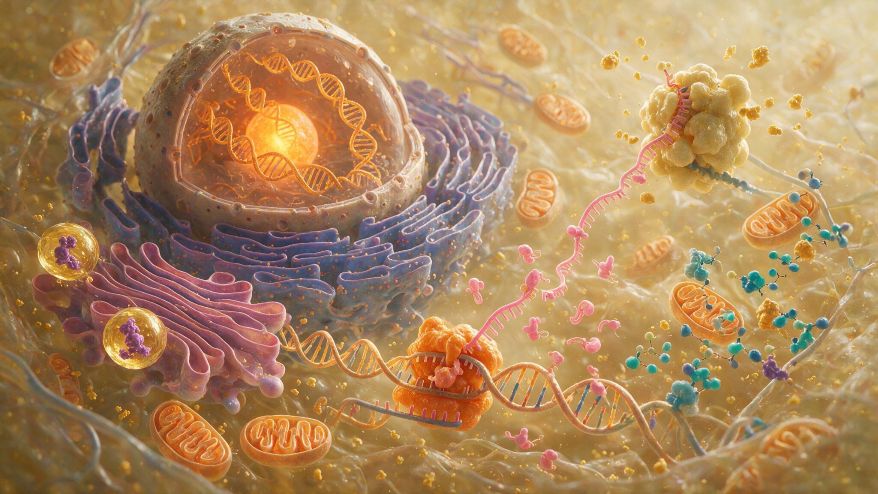
Your saliva starts digesting starch instantly. Amylase breaks down carbohydrates. What’s more, proteases split proteins into pieces. At the same time, lipases handle fats and oils. Your stomach and pancreas supply these. So digestion depends on enzymes. Fruit also uses them every day. Ripe bananas turn sweet thanks to enzymes. Yeast ferments sugar into bread and beer. That fermentation is pure enzyme work. To illustrate, cheese needs rennet. Rennet contains natural enzymes. In fact, it turns milk into curds. So enzymes shape what we eat. What’s more, they also shape how food tastes. Even tender meat comes from enzymes. Papain from papaya does the trick. So far, cooks have used it for centuries. At any rate, enzymes are everyday heroes. They work quietly behind the scenes. You rarely notice them at all. Yet they never take a day off. So give them credit at dinner.
- Amylase turns starch into sugar.
- Protease breaks down meat proteins.
- Lipase digests dietary fats.
Industry uses the same tricks at a huge scale. Factories grow enzymes in giant tanks. What’s more, they purify them into powerful products. So enzyme chemistry goes far beyond food.
- Detergents use enzymes to remove stains.
- Biofuel makers use enzymes to break biomass.
- Drug companies use enzymes to build medicines.
Enzymes in Medicine and Industry
Industry loves biological catalysts. These catalysts work fast and clean. They also spare the environment. In contrast, traditional chemistry often needs harsh heat. Enzymes do the same job gently. So factories save energy. Chapman reviewed many industrial applications. At any rate, his team described drugs, food, and fuel. Enzyme immobilization improves stability. It lets companies reuse catalysts many times. That cuts costs and waste together. Biosensors also rely on enzymes. In fact, they measure glucose in blood samples. So patients get fast results. Nanoscale catalysts push boundaries further. Scientists coat surfaces with metal particles. As a result, those particles speed up green reactions. So industry becomes more sustainable. The future looks bright for enzymes. What’s more, researchers keep finding new uses. So the field grows every year. To put it another way, enzymes are green tech. At the same time, they blend biology with engineering. That blend solves real problems.
Enzymes Help the Planet
Enzymes offer a greener path. They replace toxic chemicals in jobs. Laundry detergents prove this daily. In fact, enzymes lift stains at low temperatures. So washing uses less energy. Paper mills use enzymes too. They bleach pulp without chlorine. As a result, that saves rivers from pollution. Plastic recycling may join the list. Some enzymes eat PET plastic. Researchers engineer faster versions. So one day, bottles could compost. What’s more, enzymes cut carbon footprints. At the same time, their mild conditions need less power. So green chemistry becomes real chemistry. In contrast, old methods burn fuel. That heat pollutes the air. Enzymes avoid those problems. After all, they work at room temperature. So factories can shrink their footprint. All in all, enzymes are planet-friendly. With this in mind, they help companies meet green goals. At any rate, the trend keeps building momentum. So watch this space. Change is already underway.
Conclusion: Enzymes Keep You Alive
Enzymes make life possible. They speed up every reaction you need. From breathing to thinking, they are there. What are biological catalysts? Now you know. They are proteins with a special talent. What’s more, they lower activation energy with ease. At the same time, they show amazing specificity. Cofactors and mild conditions keep them happy. So they work inside you every second. They also work in your home and world. To sum up, enzymes are quiet champions. So far, science keeps finding new ones. Industry keeps putting them to work.
Frequently Asked Questions: what are biological catalysts
What are biological catalysts?
They are molecules that speed up reactions. Most of them are proteins. They stay unchanged after the reaction. So they work again and again.
Are all enzymes proteins?
Most enzymes are proteins. A few are RNA molecules. Scientists call those ribozymes. So the answer is almost yes.
Do enzymes get used up?
No. Enzymes remain unchanged after each reaction. They can catalyze thousands of times. So one enzyme goes far.
Can enzymes work outside the body?
Yes. Industry extracts them from cells. Then they purify them for many uses. Detergents and medicines prove this daily.
References
- Chapman, J., Ismail, A. E., & Dinu, C. Z. (2018). Industrial applications of enzymes: Recent advances, techniques, and outlooks. Catalysts, 8(6), 238. https://doi.org/10.3390/catal8060238
- Koshland, D. E., Jr. (1958). Application of a theory of enzyme specificity to protein synthesis. Proceedings of the National Academy of Sciences, 44(2), 98–104. https://doi.org/10.1073/pnas.44.2.98
- Lewis, T., & Stone, W. L. (2023). Biochemistry, proteins enzymes. In StatPearls. StatPearls Publishing. https://www.ncbi.nlm.nih.gov/books/NBK554481/
- Robinson, P. K. (2015). Enzymes: Principles and biotechnological applications. Essays in Biochemistry, 59, 1–41. https://doi.org/10.1042/bse0590001
- Author
- Latest Posts

I am an inspirational writer and emerging science blogger with a deep-rooted passion for understanding and sharing the wonders of the world around us. My journey began with a Bachelor of Science in Chemistry from AKI’s Poona College of Arts, Commerce and Science, where I developed not only a strong foundation in scientific principles but also a mindset that values curiosity, observation, and critical thinking. Studying chemistry has taught me to approach problems with logic, to look beyond the obvious, and to see patterns where others might only see complexity. These experiences have shaped the way I perceive life and influence the way I express my thoughts, both scientifically and creatively.
I have always believed that knowledge is only as powerful as the way it is shared. This belief has guided me to create content that bridges the gap between science and everyday life. I aim to simplify complex scientific ideas so they become approachable, relatable, and engaging for everyone—whether someone has a formal background in science or is simply curious about the world. Science, in my view, is not confined to textbooks and laboratories; it is a way of thinking, understanding, and connecting with the world around us. By making science accessible, I hope to inspire curiosity, ignite learning, and encourage people to see the beauty and relevance of scientific discovery in their daily lives.
Alongside my love for science, I am deeply passionate about motivational writing. I believe words carry the power to transform perspectives, encourage self-reflection, and inspire action. By combining analytical thinking with creativity, I create content that is intellectually stimulating yet emotionally resonant. Whether I am breaking down a chemical concept, exploring a scientific phenomenon, or crafting motivational narratives, my goal is to communicate ideas in a way that is clear, meaningful, and impactful.
Through my work, I strive to empower my readers – not just by helping them understand the science around them, but by inspiring them to grow, learn, and realize their full potential. Every article, post, or story I write reflects my commitment to turning knowledge into inspiration. I want to spark curiosity, encourage self-improvement, and show that learning and personal growth are deeply connected. For me, writing is not just a craft; it is a way to touch minds, connect hearts, and make ideas come alive in a way that truly resonates.