ATP stands for adenosine triphosphate. It is the cell's main energy carrier.
ATP and Cellular Energy: The Biochemistry of Metabolism

Estimated reading time: 12 minutes
Every living cell needs energy to survive. Therefore, that energy flows through a tiny molecule called ATP. What is ATP in biology? Simply put, it is adenosine triphosphate. This molecule carries chemical energy around the cell. In other words, think of it as a rechargeable battery. Cells spend ATP to move, grow, and repair. Then, they rebuild it in seconds. However, the body holds only a small store. So, cells must recycle it constantly. This guide explains the whole process. No prior chemistry knowledge is needed. First, you will meet the three stages of respiration. Catabolism breaks food down. Meanwhile, anabolism builds things back up. Together, both paths work together all the time. What is ATP in biology? In short, it is the fuel of life. Read on for a full answer.
Key Takeaways: What is ATP in biology
- ATP stands for adenosine triphosphate. It is the cell’s main energy carrier.
- Cells make ATP from food in three steps. Those steps are glycolysis, the Krebs cycle, and the electron transport chain.
- Metabolism has two halves. Catabolism breaks molecules down. Anabolism builds them up.
- Cells recycle ATP nonstop. The total store lasts only seconds.
- This guide answers what is ATP in biology in plain language.
What Is ATP in Biology?
ATP stands for adenosine triphosphate. It is a small molecule that stores energy. In fact, every cell in your body uses it. For example, muscle cells spend it to contract. Similarly, nerve cells use it to send signals. Even tiny bacteria depend on it. Cells build it from food. Meanwhile, plants craft it using sunlight. Animals, on the other hand, draw it from glucose. So, what is ATP in biology? In short, it is the universal energy carrier. Remarkably, all life on Earth shares this molecule. The molecule holds three phosphate groups. Together, these groups carry the stored energy. When one group breaks away, energy is released. As a result, the cell uses that energy for work. This process drives protein building. In addition, it powers cell division. Above all, it keeps cells alive.
What Is ATP in Biology Made Of?
Think of ATP as a tiny machine. It has three main parts. One part is a base called adenine. Another part is a sugar called ribose. The third part is a chain of phosphates. So the full name makes sense now. Adenosine comes from adenine plus ribose. Triphosphate means three phosphate groups. These parts link together in a row. The phosphate bonds store the energy. Each bond packs a useful punch. This energy waits until the cell needs it. Then an enzyme cuts the bond. What is ATP in biology made of? Now you know the answer.
What Is ATP in Biology Used For?
Cells use ATP for almost everything. For example, muscles need it to contract. The heart beats because of it. Likewise, brain cells rely on it daily. It also drives active transport across membranes. In addition, large molecules need it too. Proteins, fats, and DNA all require it. Cells even use it to divide. Overall, this list shows a clear pattern. What is ATP in biology used for? In short, it fuels cellular work. Without it, cells would stop. Consequently, they could not move or repair. Signal sending would stop too. Even simple tasks would fail. Your body spends it nonstop. Moreover, digestion uses it as well. Growth depends on it too. Similarly, healing needs it daily. Therefore, every living process leans on it. The list goes on and on.
Why ATP Is Called the Energy Currency of the Cell
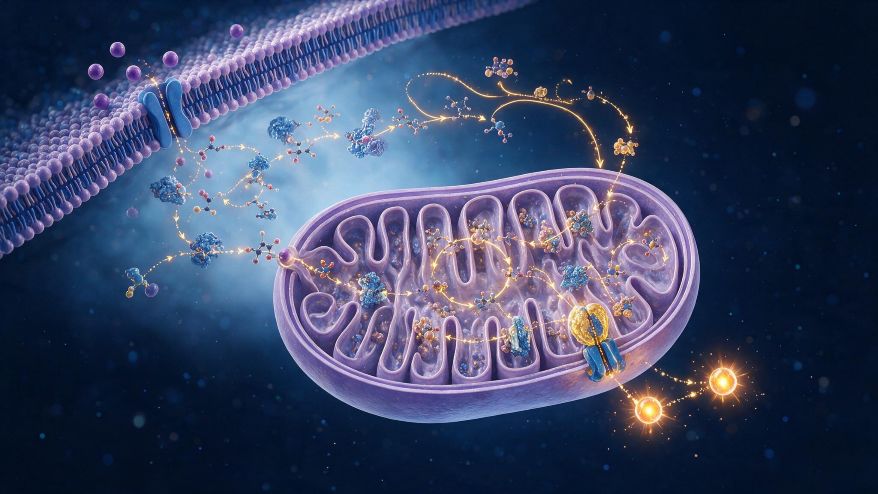
The currency idea helps explain ATP. Money flows between people. ATP flows between cell reactions. So the name fits perfectly. Cells earn ATP from food. Then they spend it on jobs. This cycle looks like a paycheck. In fact, ATP is the only usable form. Glucose is too large to spend directly. Think of glucose as a big bill. ATP is the small change. Cells can use it right away. What’s more, every organism agrees on its value. That makes ATP universal. So biologists call it the energy currency. Every reaction accepts this token. Enzymes act like shopkeepers. They take ATP as payment. Then they hand out the product. All in all, the system is elegant. One molecule, countless jobs.
Here is how the cycle works. ATP loses one phosphate group. It becomes ADP instead. That release powers the cell. ADP then waits for new energy. A fresh phosphate attaches later. So ATP is rebuilt in seconds. This loop runs all day long. It never really stops. Your body recycles a huge amount. At rest, you turn over about 50 kilograms daily. Exercise pushes that number higher. Muscle work speeds it up. The store itself stays tiny. Only seconds of supply exist at once. That is why speed matters. Mitochondria handle most of the rebuilding. These mitochondria act as power plants.
Catabolism and Anabolism
Metabolism is the sum of cell chemistry. It has two main halves. First, catabolism breaks molecules apart. In contrast, anabolism builds new structures. Both halves depend on ATP. Therefore, ATP sits right in the middle. Catabolism releases stored energy. Meanwhile, anabolism uses that same energy. In effect, ATP links the two. As a result, this link keeps the cell balanced. What is ATP in biology? In short, it is the bridge between these paths. Throughout the day, the body switches gears. At the same time, your body performs both tasks together. The balance shifts with your activity. For example, exercise tilts it toward catabolism. Conversely, growth tilts it toward anabolism. Nevertheless, energy flow stays constant. So, this system is always active. After a meal, anabolism speeds up. Between meals, catabolism takes over. Ultimately, this dance never stops.
Catabolism: The Breakdown Side
Catabolism is the breakdown side. It splits large molecules into small ones. Glucose, fats, and proteins are the fuel. Each one releases energy when cut. Special enzymes speed up every step. They work like tiny scissors. Digestion starts this whole process. Food becomes simple building blocks. Then cells burn those blocks for power. The energy gets packed into ATP. So catabolism feeds the currency system. Each gram of glucose stores about four calories. Fat packs even more energy. Protein rarely serves as fuel. So carbs lead the energy race. The breakdown is fast and efficient. That speed matters during exercise. Muscles demand quick ATP. Waste products leave the cell too. Carbon dioxide is one example. Water is another one. This side of metabolism pays the bills.
Anabolism: The Build-Up Side
Anabolism is the build-up side. It makes large molecules from small ones. Muscle protein is a great example. Your body builds it from amino acids. New DNA forms this way too. Cell membranes get built as well. These projects all need ATP. So anabolism spends the currency. Hormones direct these building projects. Insulin tells cells to grow. The energy comes from catabolism. That partnership never breaks down. In short, catabolism pays and anabolism spends. Growth surges during sleep. Repair also runs on ATP. This process makes you stronger. It also helps wounds close. Every tissue renews itself. That renewal keeps you healthy. Growth slows with age. Even new blood cells need it. So this side creates the future. This growth process depends on ATP.
Also Read: Chloroplast vs Mitochondria: Key Differences, Functions, and Roles in Cells
ATP Synthesis: How Cells Build ATP

Cells build ATP in three main stages. Together they form cellular respiration. Glycolysis starts the process. The Krebs cycle runs next. Then the electron transport chain finishes. Glycolysis runs in the cytoplasm. The other two happen in mitochondria. Each stage adds a little more ATP. The final stage adds the most. Oxygen decides how much you get. With oxygen, one glucose makes about 30 ATP. Without oxygen, it makes only two. So air really matters. For example, muscle cells run the whole plan daily. Brain cells never stop using it. So this system powers all life. This three-step plan is the same everywhere. All animals use it. Plants use it too. Even fungi follow the same path. That is the beauty of respiration.
Glycolysis
Glycolysis is the first stage. The word means sugar splitting. It happens in the cell’s cytoplasm. No oxygen is needed here. So it works without air. One glucose molecule enters the stage. Enzymes cut it into two pyruvate molecules. This process makes two ATP. It also makes two NADH carriers. Those carriers hold extra energy. The whole run takes about ten steps. Many enzymes drive each step. At first, some steps need a little ATP. Then later steps return a profit. So the final gain is two ATP. Sprinters rely on this pathway heavily. It delivers energy in seconds. That speed is its greatest gift. So muscles use it during bursts. Red blood cells live on this alone. Even yeast uses this same route.
Krebs Cycle
The Krebs cycle is the second stage. First, it runs inside the mitochondria. Some people call it the citric acid cycle. Either name refers to the same loop. Before entering the cycle, pyruvate changes into acetyl-CoA. Then, that molecule enters the cycle. Enzymes subsequently strip off carbon atoms. As a result, each turn releases carbon dioxide. It also harvests NADH and FADH2. These carriers, in turn, store the electrons. Since one glucose yields two turns, each turn makes one ATP directly. Therefore, the cycle adds two ATP total. The cycle is a perfect circle. In other words, each turn reuses the start molecule. Thus, nothing is wasted along the way. This design is very clever. However, most energy still waits inside the carriers. Finally, that energy moves to the next stage.
Electron Transport Chain
The electron transport chain is the finale. First, it sits on the inner mitochondrial membrane. This stage makes most of the ATP. Meanwhile, carriers drop off their electrons here. The electrons pass down a protein chain. As a result, each step releases a little energy. That energy pumps protons across the membrane. In turn, the build-up creates a gradient. Think of it as a water tower. The protons rush back through ATP synthase. As they do, that rush spins the enzyme like a wheel. Each spin builds ATP from ADP. Finally, oxygen catches the electrons at the end. It turns into water when done. So, oxygen is the final electron receiver. Therefore, most ATP comes from this one stage. Without oxygen, the chain stalls. Consequently, the cycle backs up quickly. That is why breath is life.
Here are quick facts about ATP production. They sum up the three stages. Use them to check your memory. All numbers are per glucose molecule.
- One glucose makes about 30 ATP with oxygen. It makes just 2 without oxygen.
- Glycolysis nets 2 ATP. The Krebs cycle adds 2 more. The electron transport chain supplies the rest.
- Oxygen matters most at the final stage. No oxygen means a quick stop.
Cellular Respiration in Simple Terms: What Is ATP in Biology?
Now, let’s zoom out for the full picture. In simple terms, cellular respiration is the food-to-energy machine. It runs in every active cell. Overall, the whole process has three parts. First, glycolysis splits glucose in the cytoplasm. Next, the Krebs cycle runs inside mitochondria. Finally, the electron transport chain finishes the job. In this way, each part passes energy to the next. The final output is ATP, water, and carbon dioxide. In other words, glucose and oxygen go in, while ATP, water, and carbon dioxide come out. As a result, this exchange powers the entire body. Meanwhile, plants do the same job differently. Instead, they capture light rather than food. Their sugars then feed the same machine. Ultimately, every life form shares this engine. So, what is ATP in biology in simple terms? In short, it is the finished fuel. The machine makes it nonstop. Therefore, scientists describe this process.
What Is ATP in Biology? The Simple Answer
Here is the simple answer in full. ATP is a rechargeable energy packet. Cells make it from the food you eat. They spend it on every job. Then they refill it in seconds. The packet works like a coin. Every reaction accepts this coin. So the cell never runs dry. The whole system is beautifully simple. Eat food, make ATP, and do work. That rhythm repeats every moment. Your heart alone spends a fortune. The brain follows close behind. Both depend on the same packet. So this answer sums up the article. What is ATP in biology? Now you can answer with confidence. Share it with a friend who asks. This topic opens many doors. From sport to study, ATP shows up. This summary is supported.
Frequently Asked Questions: What is ATP in Biology
1. What is ATP in biology?
ATP stands for adenosine triphosphate. It is the main energy carrier in cells. Cells make it from food. Then they spend it on work. After that, they rebuild it quickly.
2. How much ATP does the human body make each day?
Your body turns over a huge amount. At rest, you recycle about 50 kilograms daily. Exercise pushes the number higher. The exact value changes with activity.
3. Where is ATP produced in the cell?
Most ATP comes from mitochondria. These organelles act as power plants. Glycolysis also makes some ATP. That stage runs in the cytoplasm.
4. What happens when cells run low on ATP?
Cells slow down their work. Muscles feel tired and weak. Heavy exercise can outpace the supply. Then lactic acid builds up. Rest lets the system recover.
5. Is ATP stored for later use?
Not for long. Cells keep only seconds of supply. So recycling is constant. Muscles store a backup molecule. Creatine phosphate serves that role.
References:
- Ahmad, M., Wolberg, A., & Kahwaji, C. I. (2026). Biochemistry, electron transport chain. In StatPearls. StatPearls Publishing. https://www.ncbi.nlm.nih.gov/books/NBK526105/
- Bonora, M., Patergnani, S., Rimessi, A., De Marchi, E., Suski, J. M., Bononi, A., Giorgi, C., Marchi, S., Missiroli, S., Poletti, F., Wieckowski, M. R., & Pinton, P. (2012). ATP synthesis and storage. Purinergic Signalling, 8(3), 343–357. https://doi.org/10.1007/s11302-012-9305-8
- Chaudhry, R., & Varacallo, M. A. (2026). Biochemistry, glycolysis. In StatPearls. StatPearls Publishing. https://www.ncbi.nlm.nih.gov/books/NBK482303/
- Dunn, J., & Grider, M. H. (2026). Physiology, adenosine triphosphate. In StatPearls. StatPearls Publishing. https://www.ncbi.nlm.nih.gov/books/NBK553175/
- Haddad, A., & Mohiuddin, S. S. (2026). Biochemistry, citric acid cycle. In StatPearls. StatPearls Publishing. https://www.ncbi.nlm.nih.gov/books/NBK541072/
Editorial Note: This article was written by Juveriya Khan and reviewed for editorial accuracy by our editorial team. It has not yet undergone independent review by a professional.
- Author
- Latest Posts

I am an inspirational writer and emerging science blogger with a deep-rooted passion for understanding and sharing the wonders of the world around us. My journey began with a Bachelor of Science in Chemistry from AKI’s Poona College of Arts, Commerce and Science, where I developed not only a strong foundation in scientific principles but also a mindset that values curiosity, observation, and critical thinking. Studying chemistry has taught me to approach problems with logic, to look beyond the obvious, and to see patterns where others might only see complexity. These experiences have shaped the way I perceive life and influence the way I express my thoughts, both scientifically and creatively.
I have always believed that knowledge is only as powerful as the way it is shared. This belief has guided me to create content that bridges the gap between science and everyday life. I aim to simplify complex scientific ideas so they become approachable, relatable, and engaging for everyone—whether someone has a formal background in science or is simply curious about the world. Science, in my view, is not confined to textbooks and laboratories; it is a way of thinking, understanding, and connecting with the world around us. By making science accessible, I hope to inspire curiosity, ignite learning, and encourage people to see the beauty and relevance of scientific discovery in their daily lives.
Alongside my love for science, I am deeply passionate about motivational writing. I believe words carry the power to transform perspectives, encourage self-reflection, and inspire action. By combining analytical thinking with creativity, I create content that is intellectually stimulating yet emotionally resonant. Whether I am breaking down a chemical concept, exploring a scientific phenomenon, or crafting motivational narratives, my goal is to communicate ideas in a way that is clear, meaningful, and impactful.
Through my work, I strive to empower my readers – not just by helping them understand the science around them, but by inspiring them to grow, learn, and realize their full potential. Every article, post, or story I write reflects my commitment to turning knowledge into inspiration. I want to spark curiosity, encourage self-improvement, and show that learning and personal growth are deeply connected. For me, writing is not just a craft; it is a way to touch minds, connect hearts, and make ideas come alive in a way that truly resonates.