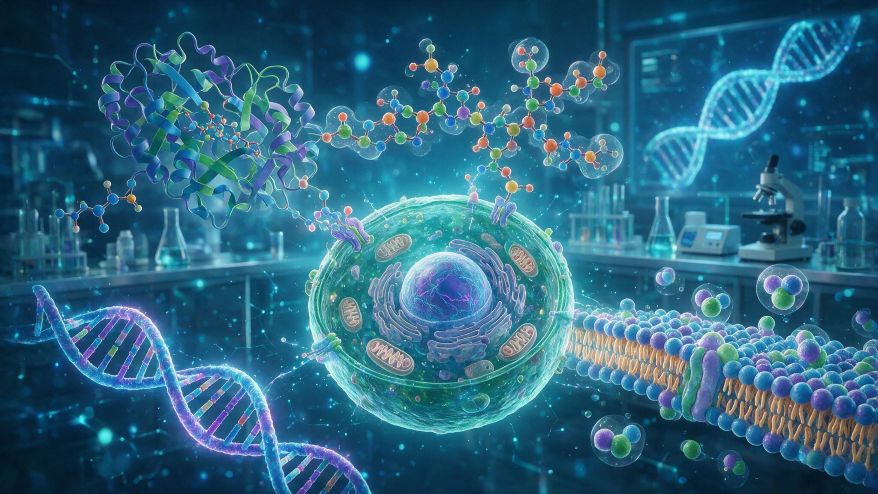
Biomolecules are the four chemical families that build all life.
Biomolecules Explained: Proteins, Carbohydrates, Lipids and Nucleic Acids
Estimated reading time: 16 minutes
Every living thing runs on biomolecules. In fact, these molecules build cells, store energy, and pass on traits. Your body uses four main classes every second. Specifically, proteins, carbohydrates, lipids, and nucleic acids do different jobs. Yet, they work together in every tissue. At the same time, each class plays a distinct part in life. This guide explains each class in plain words. First, we will look at their building blocks and their roles. You will learn what are biomolecules and why they matter. In addition, science students will find clear examples here. Likewise, parents and curious teens will enjoy the simple tone. After this, you can name each molecule type. You can also explain how these compounds support life. Ultimately, this is the core foundation of biology and chemistry. Read on to master the basics of metabolism.
Key Takeaways: What are Biomolecules
- Firstly, Biomolecules are the four chemical families that build all life.
- Additionally, Each class has its own building blocks and main jobs.
- Moreover, Carbohydrates and lipids supply energy, and proteins do the work.
- However, Nucleic acids store and transmit the instructions for life.
What Are Biomolecules?
Biomolecules are the chemical compounds that make up living things. In general, each one contains carbon, hydrogen, and other elements. These molecules form cells, tissues, and organs. The term covers four major families. Specifically, proteins, carbohydrates, lipids, and nucleic acids lead the list. Scientists call them macromolecules when they grow very large. Moreover, every biomolecule has a specific shape and purpose. Your body builds them from food and repairs them daily. In short, they are the bricks of biology. So, what are biomolecules exactly? Essentially, they are carbon-based molecules made by organisms. Their structures, in turn, determine their functions. Even simple organisms rely on all four classes. Therefore, no living cell works without these compounds. They power movement, growth, and reproduction. Ultimately, cells act as chemical factories.
What Are Biomolecules Made Of?
All biomolecules start from a small set of atoms. First, carbon forms the backbone of each structure. Then, hydrogen, oxygen, and nitrogen join the frame. Some molecules also include phosphorus or sulfur. These atoms link into smaller units called monomers. Next, monomers join together to build larger polymers. For example, amino acids become proteins. Similarly, sugars become carbohydrates and nucleic acids. Fatty acids, meanwhile, build most lipids. As a result, this modular design gives life its variety. The order of monomers, in turn, changes the final function. For instance, DNA stores code, while cellulose forms plant walls. Remarkably, the same atoms can make countless products. This is the beauty of modular chemistry. Therefore, cells assemble these units on demand. Each monomer type follows its own pattern. In this way, this system keeps biology flexible and strong. Ultimately, small units really do build big machines.
Why Are Biomolecules Essential for Life?
Life depends on constant chemical work. In fact, biomolecules carry out nearly all of that work. For example, proteins catalyze reactions and move materials. Meanwhile, carbohydrates deliver quick energy to cells. Similarly, lipids store fuel and build membranes. Nucleic acids, on the other hand, hold the instructions for life. Together, each family supports the others. Therefore, remove one class, and the cell fails. This cooperation appears in every organism. From bacteria to blue whales, the pattern repeats. As a result, understanding these roles builds science skills. It also prepares students for deeper biology topics. After all, every pathway in the body starts here. To understand this, compare it to a factory floor. Workers, fuel, walls, and blueprints all appear. Likewise, each part depends on the other parts. Ultimately, this interdependence defines all living systems. Students see this pattern in every lab class. Above all, that idea is central to biology.
Also Read: BioChemistry
Proteins

Proteins are the workhorses of every cell. They perform thousands of different tasks. Each protein is a chain of amino acids. Twenty common amino acids combine in endless ways. The chain folds into a unique 3D shape. That shape decides what the protein does. Some proteins build muscle and skin. Others carry oxygen through the blood. Antibodies fight infections and heal wounds. In fact, most of your dry body mass is protein, and named proteins as tissue builders. Their roles range from transport to defense. This versatility makes them the busiest biomolecules. Enzymes and antibodies are both proteins. So are the fibers in your hair and nails. Your body assembles them from dietary amino acids. This assembly happens inside every cell. Protein shape controls every interaction.
Amino Acids: The Building Blocks
Amino acids are small molecules with two key groups. First, one group is an amine, and one is an acid. Each amino acid has a unique side chain. As a result, these side chains give proteins their variety. The body then links amino acids into long chains. Scientists call these chains polypeptide chains. Eventually, folding turns chains into functional proteins. Your diet must supply essential amino acids. Specifically, cells cannot make these nine on their own. Therefore, balanced meals provide them from many foods. Without the right supply, growth slows down. Moreover, muscle repair also depends on fresh amino acids. This explains why athletes value protein-rich foods. In total, twenty standard kinds appear in human proteins. Of these, nine must come from food. The rest, however, are made inside the body. Consequently, that list guides many nutrition guides.
Enzymes: Nature’s Catalysts
Many proteins work as enzymes. In fact, enzymes speed up chemical reactions in cells. More importantly, they lower the energy needed to react. Each enzyme fits one specific target molecule. For example, think of a lock and key. The enzyme holds the target and helps it change. As a result, this process repeats millions of times. Digestive enzymes, for instance, break down food in your gut. Meanwhile, metabolic enzymes drive energy production. Without enzymes, reactions would take years. Therefore, the article explains these helpers in detail. What’s more, enzyme science powers many careers. Consequently, they earn the nickname nature’s tools. Each one acts on a single type of molecule. This precision, in turn, prevents wasteful side reactions. Without them, digestion and breathing would stall. That is why enzymes matter so much.
Also read: how biological catalysts make life
Carbohydrates
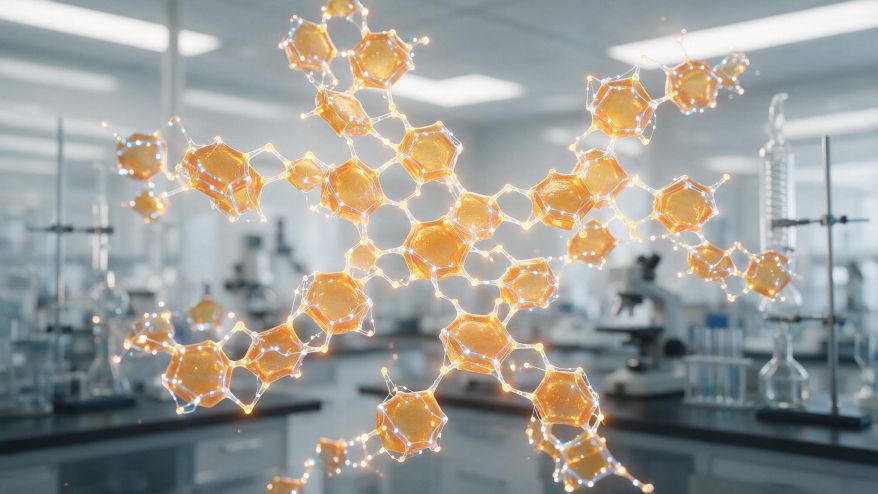
Carbohydrates are the body’s favorite fuel. Their name means hydrated carbon. Each molecule contains carbon, hydrogen, and oxygen. Simple sugars are the smallest units. Glucose is the most famous simple sugar. Cells burn glucose for immediate energy. The brain especially depends on this fuel. Carbohydrates also store energy for later use. Plants store glucose as starch. Animals store it as glycogen. Fiber is another carbohydrate your body needs. It feeds gut bacteria and aids digestion. In short, carbohydrates keep your engine running. Your muscles grab glucose during exercise. The liver stores extra glucose for later. Carbs also feed the friendly gut bacteria. Fiber keeps the digestive tract moving smoothly. Choose whole foods for the best fuel.
Simple and Complex Sugars
Sugars come in two broad categories. Simple sugars have one or two units. Glucose, fructose, and sucrose are examples. They enter the blood quickly after eating. Complex carbs have long chains of units. Starch, glycogen, and fiber belong here. Their chains digest more slowly than simple sugars. This slower release gives steady energy. Whole grains and vegetables, such as oats, are rich sources. They also deliver vitamins and minerals. Processed foods often contain added simple sugars. Not all sweeteners behave the same way. Artificial sweeteners offer one common example. The body may handle them differently. Fruit supplies natural simple sugars. Milk contains a sugar called lactose. Legumes pack complex carbs and protein. Reading labels reveals hidden sugar sources. Balance beats complete avoidance. That simple habit improves daily energy.
Starch, Glycogen, and Cellulose
These three polysaccharides show nature’s design. In fact, starch stores energy in plant seeds. Meanwhile, glycogen packs energy inside animal cells. Finally, cellulose builds strong plant cell walls. Interestingly, each one uses the same sugar unit. Yet, each one links units in a different way. As a result, small changes create very different materials. Starch, for example, digests easily in your gut. Cellulose, however, does not digest at all. Instead, it acts as dietary fiber. Glycogen, on the other hand, releases glucose between meals. Your liver and muscles hold glycogen reserves. Therefore, this stored fuel supports activity all day.
Notably, all three are polymers of glucose. Only the bonds between units differ. Consequently, that difference changes how the body treats them. Humans can digest starch but not cellulose. Cows and termites, however, use microbes to digest cellulose. This clever teamwork shows fiber’s value. Moreover, it also explains why fiber keeps you full.
Lipids
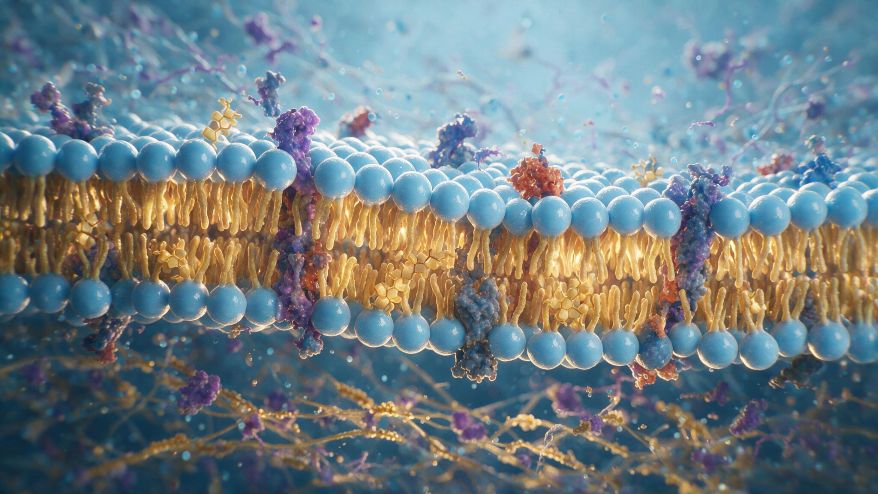
Lipids form a diverse family of molecules. In general, they share one useful trait: they repel water. Fats, oils, waxes, and steroids are lipids. For example, phospholipids build the membranes around cells. These membranes, in turn, control what enters and leaves. Lipids also store energy very efficiently. In fact, one fat gram holds over twice a carb’s energy. Therefore, this compact storage helps animals survive fasting. Fat also cushions organs and insulates the body. Moreover, hormones like testosterone come from cholesterol. As a result, lipids are vital for metabolism. Their roles, therefore, touch every organ system. Additionally, membranes protect each cell’s contents. Waxes, for instance, coat leaves and feathers with waterproof layers. Similarly, steroids act as chemical messengers. Fats also provide insulation against cold weather. Furthermore, they pad your internal organs. Consequently, this family earns its many jobs. Ultimately, healthy membranes keep cells working well.
Also Read: Cancer Metabolism
Fats, Oils, and Phospholipids
Fats stay solid at room temperature. In contrast, oils stay liquid at room temperature. The difference lies in their fatty acids. Specifically, saturated fats have straight chains that pack tightly. Unsaturated fats, however, have bends that prevent packing. Therefore, your body needs both types in balance. Phospholipids are special membrane builders. They have a water-loving head and a water-fearing tail. As a result, this split personality creates the bilayer. Every cell in your body uses this barrier. Moreover, dietary choices affect membrane quality. Balanced fats support healthy cells and brain function. Meanwhile, trans fats come from industrial processing. Consequently, most experts advise limiting them. For example, avocado and olive oil offer healthy fats. In addition, omega-3 fats support heart and brain health. Seeds, nuts, and fish supply these nutrients. Ultimately, a little fat goes a long way. That is the take-home message.
Cholesterol and Steroids
Cholesterol often gets a bad name. Yet, every cell membrane needs it. In fact, it keeps membranes stable and fluid. The liver makes most of the body’s cholesterol. Moreover, your body also builds steroid hormones from it. These hormones control stress, growth, and reproduction. In addition, vitamin D starts from cholesterol too. Bile salts digest dietary fats with its help. However, too much cholesterol can clog arteries. Therefore, lifestyle choices influence cholesterol levels. Exercise and fiber help manage them. In essence, cholesterol is a vital biomolecule in balance. Doctors, meanwhile, group cholesterol into two main types. LDL carries fat to tissues, while HDL removes it. As a result, both numbers matter for heart health. Additionally, genes also influence your cholesterol profile. For this reason, checkups track these levels over time. Ultimately, small daily choices really add up. Knowing your numbers, therefore, helps you plan meals.
Nucleic Acids
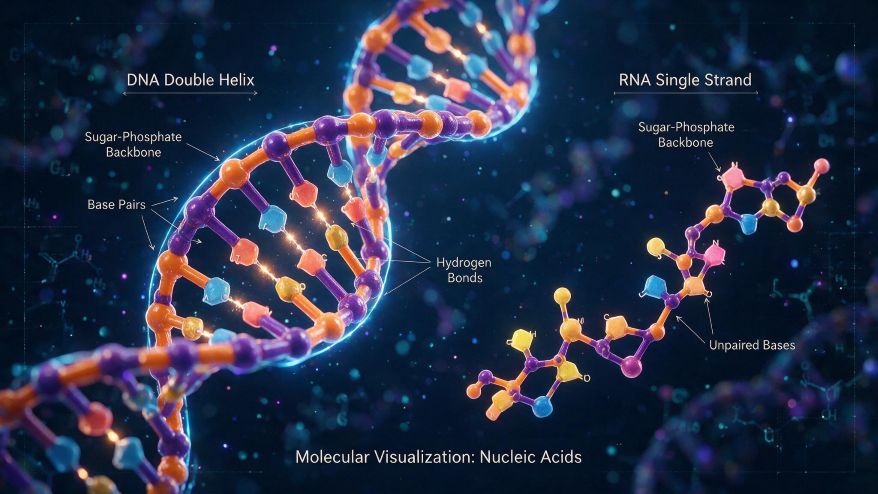
Nucleic acids carry the code of life. First, DNA and RNA are the two main types. Every one is a chain of nucleotides. Each nucleotide has three connected parts. Specifically, a sugar, a phosphate, and a base form each unit. The order of bases, in turn, stores information. DNA holds the master blueprint in the nucleus. Meanwhile, RNA copies and carries that plan. Proteins are then built from RNA instructions. This flow is called gene expression. Ghannam describe DNA’s double helix structure. Moreover, its shape protects the genetic code. Every living cell depends on this system. Cells also copy DNA before every division. In addition, RNA types handle many different chores. Some RNA even regulates other genes. As a result, this system stores enormous amounts of data. Remarkably, your genome contains billions of base pairs.
DNA and RNA: The Blueprint
DNA looks like a twisted ladder. First, two strands wind around each other. Four bases form the rungs of the ladder. Specifically, adenine pairs with thymine, and guanine pairs with cytosine. Hydrogen bonds, meanwhile, hold the pairs together. This double helix then packs into chromosomes. RNA differs in several key ways. For example, it uses one strand instead of two. In addition, RNA swaps thymine for uracil. Messenger RNA carries DNA’s message to ribosomes. Meanwhile, transfer RNA brings amino acids to the factory. Wang and Farhana (2026) explain RNA’s many roles. Overall, the system is elegant and precise. DNA stores information in four-letter code. Moreover, the pairing rules make copying reliable. Each strand, therefore, serves as a template for a new one. This copying happens before cell division. However, mistakes cause mutations over time. Finally, each gene sits at a specific spot.
Genes and Protein Synthesis
Genes are stretches of DNA that carry instructions. Each gene codes for a protein. Protein synthesis happens in two main steps. Transcription copies DNA into messenger RNA. Translation reads the RNA to build protein. Ribosomes act as the assembly machines. This process happens in every cell. It builds enzymes, muscle, and hormones. Mutations change the genetic instructions. Some mutations cause disease, and others are harmless. Scientists study genes to design new medicines. This knowledge shapes modern biotechnology. Both steps follow strict base-pairing rules. The ribosome reads three bases at a time. Each triplet codes for one amino acid. Chains grow until a stop signal appears. The final protein then folds into shape. Mistakes in this process cause many diseases. Scientists now edit genes with new tools.
The table below summarizes the four classes of biomolecules.
| Biomolecule | Building blocks | Main functions | Examples |
|---|---|---|---|
| Proteins | Amino acids | Build tissue and catalyze reactions | Enzymes, hemoglobin |
| Carbohydrates | Monosaccharides | Store and supply energy | Glucose, starch |
| Lipids | Fatty acids and glycerol | Store energy and form membranes | Fats, phospholipids |
| Nucleic Acids | Nucleotides | Store genetic information | DNA, RNA |
How Biomolecules Work Together
Biomolecules never work alone in the body. They cooperate in complex networks. Metabolism is the sum of these networks. Two processes drive all metabolic activity. Catabolism breaks molecules down to release energy. Anabolism builds new molecules using that energy. Carbohydrates and lipids supply the raw fuel. Proteins carry out the chemical work. Nucleic acids direct the entire process. Together they maintain a stable internal state. Scientists call this balance homeostasis. Every meal starts a chain of coordinated reactions. Your body constantly adjusts these pathways. Catabolism and anabolism run at the same time. Their balance shifts with your needs. Exercise boosts catabolism for quick fuel. Growth phases favor anabolism and building. Hormones coordinate these switches. Sleep and meals reset the balance daily. This cycle runs without your awareness.
What Do Biomolecules Do in the Body?
Think of a busy city at work. Proteins are the workers on every street. Carbohydrates are the energy that fuels them. Lipids are the walls and stored supplies. Nucleic acids are the city’s master plans. City systems fail when any group stops. The same holds true inside your cells. Food provides building blocks for all groups. Digestion breaks food into monomers. Cells then reassemble monomers into new products. This cycle never stops. It keeps you alive from moment to moment. Each biomolecule plays a defined role. Compare this city to a school project. Every team needs its own supplies. Energy flows from food into work. Waste products get recycled or removed. Your cells manage this constantly. That teamwork keeps you healthy and strong. Your cells plan their next move.
Quick facts help fix the big picture. Here is a short list of standout details. These points connect the four classes. Use them to review before a test.
Biomolecules at a Glance
- Proteins: amino acids form enzymes and structures.
- Carbohydrates: sugars deliver fast energy.
- Lipids: fatty acids store energy and build membranes.
- Nucleic acids: nucleotides encode the genetic code.
Each class has its own specialty. Their teamwork creates every life process. Students should compare structure with function. That comparison reveals biology’s logic.
Biomolecules in Health and Disease
Balanced biomolecules keep the body healthy. Imbalances trigger many diseases. Diabetes starts when carbohydrate handling fails. The body cannot manage blood glucose well. Heart disease often follows lipid problems. Cholesterol builds up inside artery walls. Protein misfolding causes many brain disorders. Alzheimer’s disease involves tangled proteins. Genetic errors in nucleic acids drive cancers. Nutritional choices shape these outcomes daily. A varied diet supplies all four classes. Regular activity improves how cells use fuel. Sleep supports protein repair and hormone balance. Obesity often involves lipid and sugar imbalances. Cancer cells hijack normal growth signals. Lifestyle changes can lower many risks. Doctors study biomarkers to spot problems early. Nutrition science translates this into daily advice. Simple habits protect your molecular health. That is the core message of this field.
When Biomolecules Fall Out of Balance
Small changes can have big effects. Too much sugar stresses the insulin system. High saturated fat raises blood cholesterol. Missing amino acids slow muscle repair. Damaged DNA can cause uncontrolled growth. Even short-term imbalance affects energy levels. The good news is that balance can be restored. Smart food choices support each class. Doctors use biomolecule tests to guide care. Blood panels measure glucose and cholesterol. They also check protein and enzyme levels. These tests reveal the body’s chemical status. In general, prevention beats treatment. Dietitians design plans around these results. Early detection makes treatment easier. Public health programs target common risk factors. Schools teach nutrition as core science. Students can track their own healthy habits. That knowledge turns science into action. Small daily choices shift the balance.
Frequently Asked Questions
What are biomolecules?
Biomolecules are carbon-based compounds made by living cells. The four main classes are proteins, carbohydrates, lipids, and nucleic acids. They build structure, store energy, and carry information.
What are the four main biomolecules?
Proteins, carbohydrates, lipids, and nucleic acids form the four families. Each family has distinct building blocks. Each one performs specialized jobs in cells.
What is the difference between a monomer and a polymer?
A monomer is a single unit. A polymer is a chain of monomers. Amino acids link into proteins. Sugars link into starch. Nucleotides link into DNA and RNA.
Why are biomolecules important in biology?
They perform nearly all cellular work. Biomolecules store and transfer energy. They transmit genetic information. Biology studies how these molecules interact. Life cannot exist without them.
How do biomolecules relate to metabolism?
Metabolism is the sum of chemical reactions in cells. Catabolism breaks down large molecules. Anabolism builds new molecules. Biomolecules are both the inputs and outputs of these pathways.
Which biomolecule provides quick energy?
Carbohydrates deliver the fastest energy. Glucose enters cells and fuels reactions. Lipids provide backup energy over longer periods. Proteins rarely serve as fuel.
References
- Ahmed, S., Shah, P., & Ahmed, O. (2026). Biochemistry, lipid metabolism. In StatPearls. StatPearls Publishing. https://www.ncbi.nlm.nih.gov/books/NBK525952/
- Cooper, G. M. (2000). The molecular composition of cells. In The Cell: A Molecular Approach (2nd ed.). Sinauer Associates. https://www.ncbi.nlm.nih.gov/books/NBK9879/
- Ghannam, J. Y., Wang, J., & Jan, A. (2026). Biochemistry, DNA structure. In StatPearls. StatPearls Publishing. https://www.ncbi.nlm.nih.gov/books/NBK538241/
- Holesh, J. E., Aslam, S., & Martin, A. (2026). Physiology, carbohydrates. In StatPearls. StatPearls Publishing. https://www.ncbi.nlm.nih.gov/books/NBK459280/
- LaPelusa, A., & Kaushik, R. (2026). Physiology, proteins. In StatPearls. StatPearls Publishing. https://www.ncbi.nlm.nih.gov/books/NBK555990/
- Wang, D., & Farhana, A. (2026). Biochemistry, RNA structure. In StatPearls. StatPearls Publishing. https://www.ncbi.nlm.nih.gov/books/NBK558999/
Editorial Note: This article was written by Juveriya Khan and reviewed for editorial accuracy by our editorial team. It has not yet undergone independent review by a professional.
- Author
- Latest Posts

I am an inspirational writer and emerging science blogger with a deep-rooted passion for understanding and sharing the wonders of the world around us. My journey began with a Bachelor of Science in Chemistry from AKI’s Poona College of Arts, Commerce and Science, where I developed not only a strong foundation in scientific principles but also a mindset that values curiosity, observation, and critical thinking. Studying chemistry has taught me to approach problems with logic, to look beyond the obvious, and to see patterns where others might only see complexity. These experiences have shaped the way I perceive life and influence the way I express my thoughts, both scientifically and creatively.
I have always believed that knowledge is only as powerful as the way it is shared. This belief has guided me to create content that bridges the gap between science and everyday life. I aim to simplify complex scientific ideas so they become approachable, relatable, and engaging for everyone—whether someone has a formal background in science or is simply curious about the world. Science, in my view, is not confined to textbooks and laboratories; it is a way of thinking, understanding, and connecting with the world around us. By making science accessible, I hope to inspire curiosity, ignite learning, and encourage people to see the beauty and relevance of scientific discovery in their daily lives.
Alongside my love for science, I am deeply passionate about motivational writing. I believe words carry the power to transform perspectives, encourage self-reflection, and inspire action. By combining analytical thinking with creativity, I create content that is intellectually stimulating yet emotionally resonant. Whether I am breaking down a chemical concept, exploring a scientific phenomenon, or crafting motivational narratives, my goal is to communicate ideas in a way that is clear, meaningful, and impactful.
Through my work, I strive to empower my readers – not just by helping them understand the science around them, but by inspiring them to grow, learn, and realize their full potential. Every article, post, or story I write reflects my commitment to turning knowledge into inspiration. I want to spark curiosity, encourage self-improvement, and show that learning and personal growth are deeply connected. For me, writing is not just a craft; it is a way to touch minds, connect hearts, and make ideas come alive in a way that truly resonates.