Zoology is the branch of biology that focuses on animals. It examines their structure, function, and behavior. This field also looks at how animals interact with their environment.
What Is Zoology? Exploring Animals, Evolution, and Biodiversity
Estimated reading time: 8 minutes
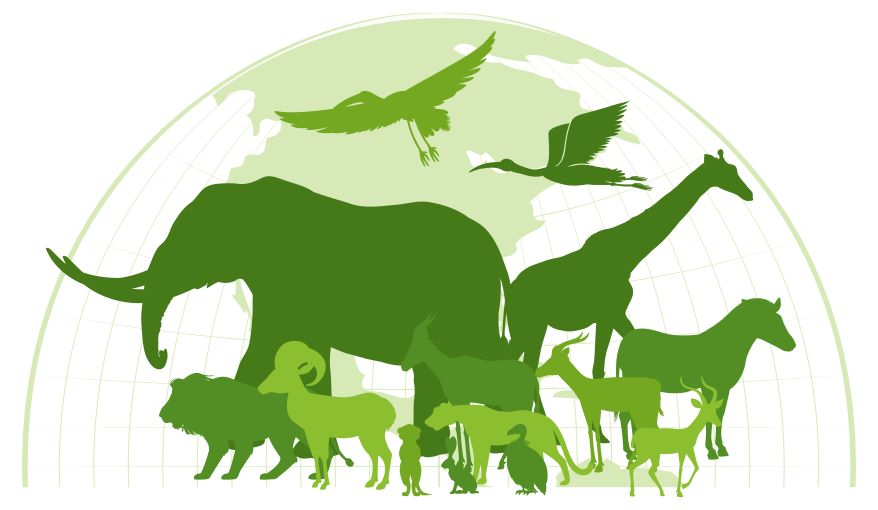
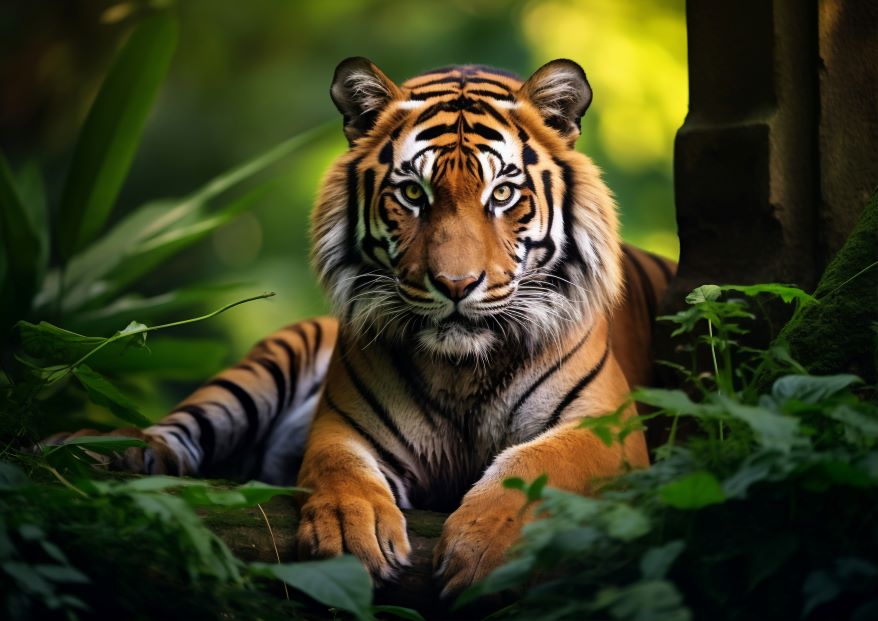
You might think zoology focuses only on animals such as tigers and bears. However, this view is far too narrow. In reality, zoology plays an important role in modern biology because it helps scientists understand animals, their behaviour, evolution, and interactions with the environment. For example, the field examines organisms ranging from microscopic worms to enormous blue whales. Furthermore, zoology covers many areas, including animal behaviour, genetics, physiology, evolution, and conservation.
Key Takeaways
- Zoology is the scientific study of animals, including their behaviour, genetics, and evolution.
- The journal Discover Animals aims to share high-quality animal science with a broad audience.
- Modern zoology uses tools like DNA analysis and camera traps to study wildlife.
- Understanding animal biology helps solve human health and environmental problems.
Defining the Core Question: What is zoology?
Zoology is the branch of biology that focuses on animals. It examines their structure, function, and behaviour. This field also looks at how animals interact with their environment. Narayan and Liu (2024) describe zoology as a way to understand animal life. The scope is vast. It covers single-celled protozoa and complex mammals. Researchers study animal physiology and development. They also investigate animal origins and evolution. To explain what does zoology study, we must consider all life forms. Zoologists work in labs, forests, and oceans. They use microscopes and satellites. The field has practical applications. For example, studying animal immune systems helps develop human medicines. Zoology also informs conservation efforts. Without zoology, we would lose knowledge about biodiversity. The discipline intersects with ecology, genetics, and paleontology. In short, zoology provides a complete picture of animal life.
The Historical Roots of Animal Science
The history of zoology goes back to ancient Greece. Aristotle classified animals into groups. His work laid the foundation for modern biology. During the Renaissance, scientists dissected animals to learn anatomy. The invention of the microscope opened a new world. It revealed tiny organisms that were invisible before. Later, Darwin revolutionized zoology with his theory of evolution. He explained how species change over time. To grasp what is zoology in science, we must acknowledge these pioneers. Today, zoology uses advanced technology. Yet, the core questions remain the same. What makes an animal? How does it survive? Why do species become extinct? These questions drive research in journals like Discover Animals. The present time allows us to answer them with precision.
Modern Methods in Zoological Research
Modern zoology relies on diverse tools. DNA sequencing helps identify species and relationships. Camera traps capture animal behavior without human presence. Radio telemetry tracks animal movements across landscapes. As a result, researchers gather data that was impossible to obtain before. Narayan and Liu (2024) emphasize the importance of accessible science. Their journal publishes studies that use these advanced methods. For example, scientists use genetic analysis to study animal populations. They also use computer models to predict species distribution. To illustrate, zoologists study how climate change affects migration patterns. These methods help answer what is zoology in a practical sense. The field is not just about naming animals. It is about understanding their lives. Modern techniques make this understanding deeper and more accurate.
The Role of Discovering Animals in Illuminating Zoology
The journal Discover Animals fills a critical gap. Narayan and Liu (2024) founded it to share animal science widely. Many academic journals have high paywalls. This limits public access to research. The new journal aims to be open access. This means anyone can read the articles. The goal is to make zoology transparent. The journal covers topics like conservation, behavior, and animal welfare. It also publishes studies on animal physiology. To explain what is zoology to the public, this journal simplifies language. It provides clear summaries of complex research. So long as scientists communicate well, the public benefits. The journal also encourages interdisciplinary work. For example, a study might combine zoology with ecology or genetics. This approach mirrors the diversity of animal life itself.
Why Open Access Matters for Animal Science
Open access journals change how science works. They remove barriers to knowledge. In the past, only universities could afford journal subscriptions. Now, students, teachers, and conservationists can read research. Funders also require open access for many grants. Narayan and Liu (2024) note that Discover Animals follows this trend. The journal allows authors to retain copyright. This promotes sharing and collaboration. In light of these facts, open access helps answer what is zoology for everyone. It democratizes knowledge. A farmer in Kenya can learn about animal diseases. A student in Brazil can study ant behavior. The present time marks a shift toward inclusive science. Open access is not just a trend. It is a requirement for progress. With this intention, Discover Animals leads the way.
Scope of Discover Animals Journal
The journal covers a wide range of topics. It includes research on captive and wild animals. It also studies animal interactions with humans. Submissions can be about insects, fish, birds, or mammals. The editors welcome studies from all regions. This global perspective enriches zoology. For example, a paper might describe a new species from Madagascar. Another might analyze stress in zoo elephants. To clarify what is zoology in practice, the journal provides concrete examples. It publishes reviews, original research, and short communications. Each article undergoes peer review. This ensures scientific quality. The journal also encourages replication studies. Replication confirms results and builds trust. All in all, Discover Animals serves as a hub for modern animal science. It connects researchers with the public.
Core Branches of Zoology: A Detailed Look
Zoology is not a single discipline. It includes many subfields. Each subfield focuses on a different aspect of animal life. For instance, ethology studies animal behavior. Morphology examines animal structure. Physiology looks at bodily functions. To answer what is zoology in full, we must consider these branches. Here is a list of major subfields:
- Behavioral Ecology: How behavior affects survival and reproduction.
- Comparative Anatomy: Comparing structures across species.
- Evolutionary Zoology: How animals evolve over time.
- Conservation Biology: Protecting endangered species.
Each subfield uses specific methods. However, they all share the same goal. They aim to understand animals. Narayan and Liu (2024) emphasize that this diversity is a strength. Their journal publishes work from all these areas. This provides a comprehensive view of animal science.
Behavioral Zoology: Why Animals Act the Way They Do
Animal behavior fascinates scientists and the public. Why do birds sing? Why do ants form colonies? Behavioral zoology answers these questions. Researchers observe animals in natural settings. They also run experiments in controlled environments. For example, they might test how honeybees find food. To explore what is zoology, we must study behavior. Behavior is the link between genetics and environment. Narayan and Liu (2024) note that behavior reveals animal cognition. Some animals use tools. Others display empathy. These findings challenge human-centric views. The journal Discover Animals publishes such studies regularly. They help us appreciate animal intelligence. After all, behavior is a key adaptation. It allows animals to survive and reproduce. Understanding behavior also aids conservation. We can protect species better if we know their needs.
Frequently Asked Questions
What are the branches of zoology?
Zoology encompasses several fascinating branches, including animal behavior, comparative anatomy, ecology, evolution, genetics, and physiology. Moreover, these branches often interconnect, providing a comprehensive understanding of the animal kingdom. For example, the study of animal behavior sheds light on how animals interact with their environment, while comparative anatomy highlights the structural similarities and differences among species. Additionally, ecology examines the relationships between animals and their habitats, and evolution explores the changes in species over time. Furthermore, genetics focuses on hereditary traits, and physiology delves into the biological processes that sustain life.
Can zoology help with climate change?
Yes! First, zoology helps us understand how animals adapt to changing environments. Furthermore, by studying ecosystems, zoologists can identify the factors that affect animal survival and biodiversity. In addition, this knowledge helps researchers develop strategies to protect vulnerable species and restore damaged habitats.
What are the career options in zoology?
Zoology provides a wide array of exciting career options, such as becoming a wildlife biologist, zookeeper, animal behaviourist, veterinarian, marine biologist, or research scientist. Additionally, these roles often overlap and complement one another, offering opportunities to explore various aspects of animal life. For instance, a wildlife biologist might work closely with a research scientist to study animal populations, while a zookeeper might collaborate with veterinarians to ensure the health and well-being of zoo animals. Furthermore, marine biologists often contribute to research efforts that inform conservation strategies, showcasing the interconnected nature of these careers.
References
- Hassan, S. Decoding fish health trajectories across anthropogenically impacted habitats: integrating machine learning approaches for ecological assessment in Pakistan. JoBAZ 87, 107 (2026). https://doi.org/10.1186/s41936-026-00649-4
- Narayan, E., Liu, G. Discover Animals: illuminating the world of animal science. Discov Anim 1, 1 (2024). https://doi.org/10.1007/s44338-024-00001-6
- Bellamy, D. (1969). The Realm of Nature: Scope of natural science with particular reference to zoology as a subject. In University of Wales College of Cardiff. http://www.culturalecology.info/newquest/NATURE%20QUEST/Library/Darwin%20Anthology/appbelzo.pdf
Disclaimer: We do not intend this article/blog post to provide professional, technical, or medical advice. Therefore, please consult a healthcare professional before making any changes to your diet or lifestyle. In fact, we only use AI-generated images for illustration and decoration. Their accuracy, quality, and appropriateness can differ. So, users should avoid making decisions or assumptions based only on the text and images.
- Author
- Latest Posts

Neha Adikane holds a Master’s degree in Environmental Science from Pune University, bringing a unique blend of scientific expertise and creative writing skills to her craft. She specializes in creating engaging, insightful, and impactful content across various niches. With a passion for translating complex ideas into simple, relatable narratives, she excels at crafting blogs, articles, website content, and social media posts that captivate readers and drive engagement. Neha’s background in environmental science adds depth to her writing, allowing her to effectively cover topics related to sustainability, eco-awareness, and scientific innovations.
- Author
- Latest Posts

I completed my Master of Science from the University of Allahabad in 2017 with a strong academic background in life sciences and chemistry. My specialization included Molecular Biology, Microbiology, Genetics, Plant Breeding, Phycology, Paleobotany, and Bioinformatics, along with Organic Chemistry, Inorganic Chemistry, and Physical Chemistry. This multidisciplinary training provided me with a comprehensive understanding of biological systems and analytical scientific approaches.
After completing my postgraduate studies, I gained valuable professional experience in both the education and social development sectors. I worked at A.M. Oxford Public School, where I was actively involved in guiding students toward academic excellence. In this role, I focused on creating an engaging learning environment, encouraging critical thinking, and nurturing students’ curiosity for scientific learning. My experience as an educator strengthened my communication, mentoring, and classroom management skills.
In addition to my teaching experience, I worked with Jeevan Jagriti Foundation, where I contributed to community-based initiatives aimed at improving educational access and awareness among underprivileged sections of society. Through this work, I participated in programs designed to support social development and promote the value of education in marginalized communities.
These professional experiences helped me develop strong interpersonal, leadership, and organizational skills while reinforcing my commitment to education and community service.




Informative article! can you please share more insights on career prospectus for Zoology?
Thanks for your comment!
Keep visiting https://entechonline.com/ to read the latest news and articles on Science, Technology, Engineering and Mathematics STEM. ENTECH Online is more than just a magazine; it’s a gateway to a world of possibilities for teenagers passionate about Science, Technology, Engineering, and Mathematics (STEM).
Regards
Dr. Charudatta S Pathak
Editor
ENTECH Magazine
Nice
Thanks for your comment, keep visiting entechonline.com for more articles related to your interests.
💯🤩
Thanks for your comment, keep visiting entechonline.com for more articles related to your interests.
It is help full for all the students.👍