The FDA is pushing for new research on testosterone therapy for idiopathic hypogonadism. Discover what this means for treatment.
Testosterone Therapy and Hormonal Health Explained
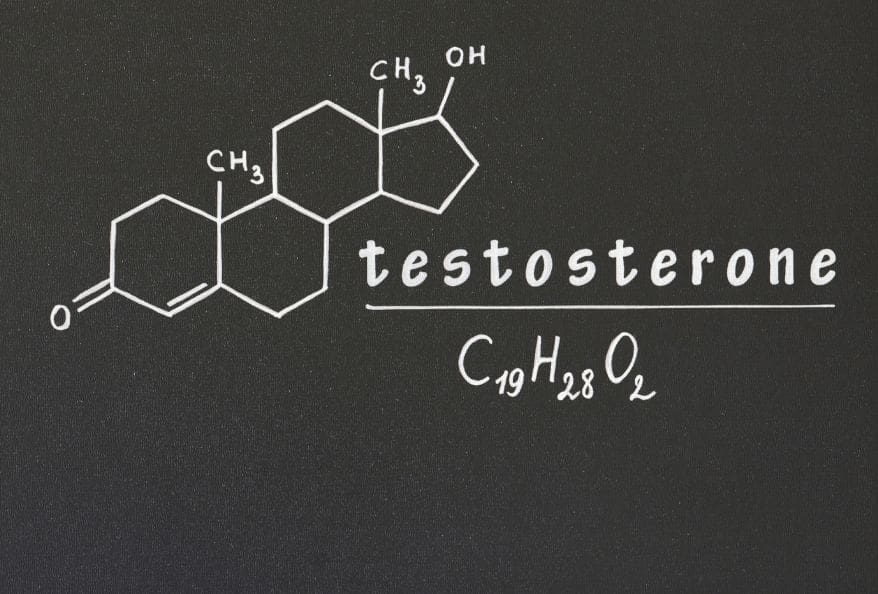
Estimated reading time: 9 minutes
Testosterone is more than just a hormone. It shapes how the body functions every single day. This chemical messenger influences muscle growth, bone density, and even mood. Many people confuse low testosterone with normal ageing. However, a true deficiency requires proper diagnosis and care. Medical supervision is critical before considering any treatment. This blog will explain the science behind testosterone therapy. We will cover endocrine glands, puberty, and regulatory feedback loops. The discussion includes FDA guidelines, potential benefits, and documented risks. A botany background helps explain how natural systems maintain balance. The human endocrine system works like a plant’s growth regulators. Both need precise conditions to thrive. Let’s explore how testosterone therapy fits into this biological puzzle.
Key Takeaways: Testosterone Therapy
- Testosterone is a primary androgen produced in the testes and adrenal glands.
- Endocrine glands use feedback loops to maintain hormone balance.
- Puberty is a key period for testosterone-driven development.
- Therapy may help confirmed cases of hypogonadism.
- FDA approves treatments only for specific medical conditions.
- Benefits include improved bone density and libido.
- Risks involve cardiovascular events and prostate health issues.
- Medical supervision is mandatory for safe and effective use.
Explaining Testosterone and Endocrine Glands
Testosterone belongs to a class of hormones called androgens. The body produces it mainly in the testes of males. Small amounts come from the adrenal glands in both sexes. This hormone plays a vital role in male development and health. It affects muscle mass, fat distribution, and red blood cell production. The endocrine system is a network of glands that release hormones. These glands include the hypothalamus, pituitary, and gonads. Each gland talks to others using chemical signals. For instance, the hypothalamus releases GnRH to wake up the pituitary. Then, the pituitary sends LH and FSH to the testes. This cascade triggers testosterone synthesis. Disruptions in any gland can lead to hormone imbalance. So far, research shows that low levels affect many body systems. To illustrate, reduced testosterone can cause fatigue and low libido. All things considered, understanding gland function is the first step in therapy.
The Hypothalamic-Pituitary-Gonadal Axis
The HPG axis is the central control system for reproduction. It involves the hypothalamus, pituitary gland, and gonads. First, the hypothalamus secretes GnRH in pulses. This signal then travels to the anterior pituitary gland. Next, the pituitary releases LH and FSH. LH directly stimulates Leydig cells in the testes to produce testosterone. FSH supports sperm production in the Sertoli cells. This whole system runs on feedback loops. When testosterone levels are high, the hypothalamus gets a signal. It then reduces GnRH release. This is called negative feedback. When testosterone is low, it prompts more GnRH and LH secretion. The axis keeps a delicate balance. In the same way that a thermostat works, the body adjusts itself. Any disruption can cause hypogonadism.
Feedback Loops in Hormone Regulation
Feedback loops are key for endocrine balance. A negative feedback loop works like a thermostat. When testosterone levels rise, the hypothalamus cuts back on GnRH. After that, the pituitary releases less LH. This reduces testosterone synthesis in the testes. Conversely, low testosterone removes this break. The hypothalamus then boosts GnRH, and the pituitary raises LH. By all means, this system is designed for stability. Some therapies disrupt these natural loops. Exogenous testosterone bypasses the usual signals. The body sees high levels and stops its own production. This can lead to testicular atrophy and low sperm count. At any rate, this is why medical oversight is so vital. As a result, doctors must test LH, FSH, and testosterone levels before starting therapy. Prior to that, they also check for other health issues. To sum up, feedback loops are powerful. So as to stay safe, never skip the doctor’s advice.
Testosterone During Puberty

Puberty is a time of big hormonal change. Testosterone levels rise a lot in boys. This increase drives secondary sexual characteristics. The voice deepens, facial hair appears, and muscles grow. The growth spurt happens as bones get longer. Testosterone also boosts red blood cell production. It raises libido and affects mood. The HPG axis becomes fully active during this time. Puberty usually starts between ages 9 and 14. In like manner, late or early puberty can point to endocrine issues. In some cases, exogenous testosterone is used to start puberty. Doctors use low doses at first to avoid fast bone maturation. The goal is to copy natural development. This treatment needs careful monitoring by a specialist.
Signs of Normal Testosterone Production in Adolescents
Normal testosterone leads to clear changes. The testes get bigger first, around age 11 or 12. Penis growth follows about a year later. Pubic hair appears next. Then, armpit and facial hair show up. Voice changes happen after testicular growth. Sperm production starts around age 13 or 14. Muscle mass goes up, and body fat goes down. In short, these changes build an adult body. Adolescents may feel mood swings and have more energy. Bone density goes up a lot during this time. Growth plates close at the end of puberty. This stops linear growth in height. Doctors use Tanner stages to track development. So as to find problems early, regular check-ups matter. Blood tests can confirm testosterone levels. Other hormones like LH and oestradiol are also checked. To put it another way, these tests give a full picture.
Clinical Use of Testosterone Therapy
Testosterone therapy is FDA-approved for hypogonadism only. This means low testosterone due to a medical issue. For example, Klinefelter syndrome, pituitary problems, or testicular injury. Therapy is not approved for age-related decline alone. That is to say, low levels from ageing are not enough. The FDA warns against using it for low energy or low sex drive without a diagnosis. Approved forms include injections, gels, patches, and buccal tablets. Injections are given every one to two weeks. Gels and patches give daily transdermal delivery. Buccal tablets stick to the gum. Seeing that each method works differently, doctors pick the best one. The goal is to restore normal levels. Over-treatment can cause high levels. This raises risks of polycythaemia and sleep apnoea. So far, monitoring haematocrit and PSA is key. In general, the goal is to help without causing harm.
FDA-Approved Indications and Warnings
The FDA approves therapy for classical hypogonadism only. This issue comes from testicular failure (primary) or pituitary disease (secondary). In contrast, age-related low testosterone is not an indication. The FDA asks that low testosterone be confirmed by two morning blood tests. Levels under 300 ng/dL are low by most rules. However, symptoms must be there too. These signs include low libido, erectile issues, or fatigue. Weight gain and depression also count. The FDA has shared safety warnings about heart risk. Some studies link therapy to more heart attacks. A 2014 study in PLOS ONE by Finkle et al. found a higher risk of non-fatal heart attacks. Another risk is blood clots. The FDA asks labels to warn about high red blood cell mass. Doctors must check haematocrit before and during treatment. In the same way, they also check PSA levels. To be sure, safety comes first.
Forms of Androgen Therapy
Several forms of testosterone therapy are out there. Intramuscular injections use testosterone cypionate or enanthate. These oils go deep into muscle. Doses range from 50 to 200 mg per injection. Injections cause peaks and drops in hormone levels. Topical gels like AndroGel go on shoulders or arms. Gels give steady hormone levels. However, they can spread to partners through skin contact. Patches like Androderm deliver hormones through the skin all day. They might cause skin irritation. Buccal tablets sit on the gum and release testosterone. They are less common. To summarise, each method has good and bad points. Pellets under the skin last for 3 to 6 months. Oral pills exist but are not used much due to liver risk. The choice depends on what the patient likes. After that, doctors help pick the best fit.
Benefits and Risks of Treatment
The benefits of testosterone therapy are well-documented for hypogonadal men. Improved bone mineral density is a major advantage. A study by Snyder et al. (2016) in The New England Journal of Medicine showed increased bone density in men over 65. Muscle mass and strength also improve. Libido and erectile function often return. Mood and energy levels may improve. Cognitive function may benefit in some cases. However, risks are significant. Polycythaemia, or high red blood cell count, is common. This increases blood viscosity and stroke risk. Sleep apnoea may worsen. Acne and oily skin are side effects. Gynaecomastia, or breast tissue growth, occurs due to aromatisation of testosterone to oestradiol. Prostate health is a concern. Testosterone can stimulate growth of existing prostate cancer. It also increases PSA levels. At present, men with a history of prostate cancer are not candidates for therapy.
Cardiovascular and Prostate Risks
The relationship between testosterone therapy and cardiovascular disease is debated. Some studies show increased risk of heart attacks. The Journal of the American Medical Association published a study by Basaria et al. (2010) that found increased cardiovascular events in older men using gels. However, other studies show no increased risk. A large meta-analysis by Corona et al. (2014) in European Urology suggested a neutral or even protective effect. The difference may be due to study design. Supraphysiological doses likely increase risk. Normalising levels to the mid-range may be safer. Prostate cancer risk is another major concern. The Prostate Cancer Prevention Trial found no direct link between testosterone levels and cancer risk. Yet, existing cancer is hormone-sensitive. Testosterone can fuel cancer growth. Doctors must perform a digital rectal exam and measure PSA before starting therapy. Biopsy may be needed if PSA rises.
Potential Side Effects and Contraindications
Common side effects include acne, fluid retention, and breast tenderness. Injection site pain or rash from gels may occur. Testicular atrophy is expected because the natural feedback loop is suppressed. Sperm production decreases significantly. Men wishing to father children should avoid therapy or use hCG. Contraindications include active prostate or breast cancer. Men with severe sleep apnoea should avoid therapy. Untreated severe heart failure is another contraindication. Haematocrit above 54% requires dose reduction or phlebotomy. Liver toxicity is rare with modern formulations. So long as patients follow doctor orders, risks are manageable. However, misuse in bodybuilding or anti-ageing clinics is common. Dosages may be very high, leading to permanent endocrine damage. To list a few risks: infertility, blood clots, and mood disorders. Using therapy without a prescription is dangerous.
Frequently Asked Questions: Testosterone Therapy
Is testosterone therapy safe for all older men?
No. It is only safe for men with confirmed hypogonadism. Age-related low levels are not an automatic indication. Doctors must rule out other causes first. Monitoring is required to avoid complications
Can testosterone therapy help with weight loss?
It can increase lean muscle mass and reduce fat. However, it is not a weight loss drug. Proper diet and exercise are still necessary. The effect on weight is modest
Will testosterone therapy cause hair loss
It can accelerate male pattern baldness in men with a genetic predisposition. The hormone dihydrotestosterone (DHT) is responsible. Finasteride can block DHT if hair loss is a concern.
References:
- U.S. Food and Drug Administration. (2026, April 16). FDA takes step forward on testosterone therapy for men [Press release]. https://www.fda.gov/news-events/press-announcements/fda-takes-step-forward-testosterone-therapy-men
- Al-Zoubi, R. M., Yassin, A. A., Alwani, M., Al-Qudimat, A., Aboumarzouk, O. M., Zarour, A., & Al Ansari, A. (2021). A systematic review on the latest developments in testosterone therapy: Innovations, advances, and paradigm shifts. Arab journal of urology, 19(3), 370–375. https://doi.org/10.1080/2090598X.2021.1959260
- Author
- Latest Posts

Ramya Dobbala is a pharmacist and science communicator dedicated to bridging the gap between complex pharmaceutical research and public understanding. A 2024 B.Pharmacy graduate, Ramya has a strong foundational background in formulation science, having spearheaded research into the evaluation and formulation of anti-acne creams. Her work focused on optimizing topical delivery systems to enhance treatment efficacy and skin health.
Transitioning from the laboratory to the forefront of scientific discourse, she now leverages her technical expertise to translate intricate healthcare concepts into accessible, engaging content. As an author and communicator, Ramya is passionate about empowering audiences with evidence-based insights, particularly in the realms of dermatology and pharmaceutical innovation.