Cyclosporiasis Symptoms
Cyclosporiasis Symptoms: The Parasite That Hides In Food
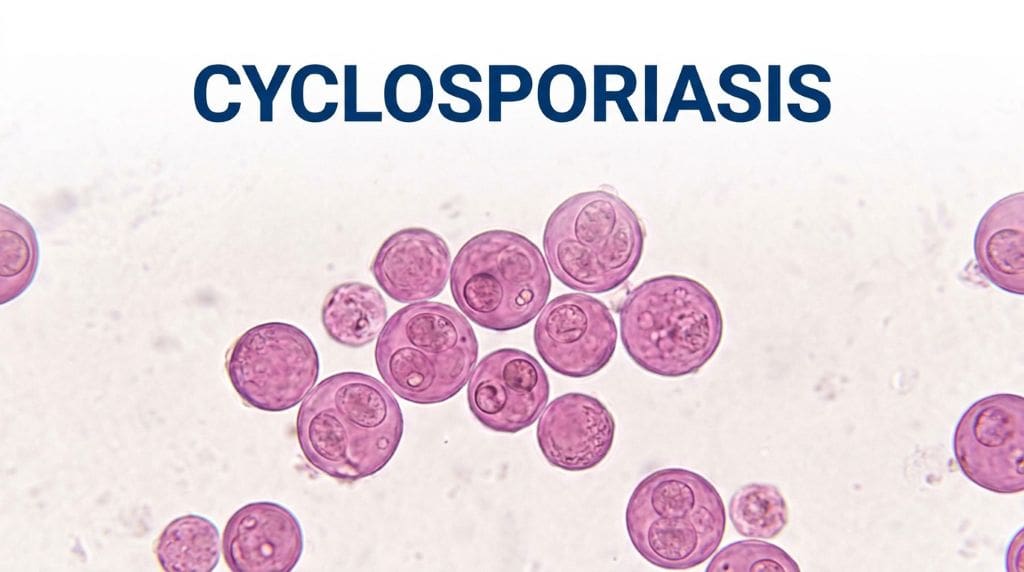
You feel awful. There is cramping in your belly. You have watery diarrhea that won’t stop. It hit you out of nowhere. You might blame it on bad takeout or a stomach flu. But this could be cyclosporiasis disease. This is a nasty intestinal parasite. It is often missed by doctors. The symptoms mimic other bugs. They linger for weeks. You lose weight and energy fast. If you ate imported fresh produce lately, pay close attention. Cyclosporiasis symptoms start abruptly. They do not fade after a day or two. Recognizing the right signs early can save you from a long, uncomfortable illness. Here is what you need to know right now.
Key Takeaways Of Cyclosporiasis Symptoms
• Cyclosporiasis symptoms often include watery diarrhea.
• Cyclosporiasis Symptoms usually start about one week after exposure.
• Fresh produce can spread the parasite.
• Illness can last weeks without treatment.
• Doctors often use stool tests for diagnosis.
• Trimethoprim-sulfamethoxazole is the usual treatment.
• Hydration matters during prolonged diarrhea.
• High-risk patients should call a clinician early.
Also Read: Ebola
Cyclosporiasis Symptoms: What Patients Notice First

Cyclosporiasis symptoms usually show up suddenly. Watery diarrhea is the main problem. You can have many episodes each day. This diarrhea is not mild. It is explosive at times. Stomach cramps follow closely behind. They are sharp and painful. Nausea is very common too. You might vomit a few times. Low-grade fever can happen, but not always. However, many people report severe tiredness. This fatigue is intense. It can last for weeks after other symptoms fade.
To list all key signs, consider the following:
- Explosive, watery diarrhea (up to 10 times a day)
- Stomach bloating and gas
- Nausea and vomiting
- Low-grade fever (under 101°F)
- Loss of appetite and weight loss
- Muscle aches or body pains
- Body aches often come with this infection. You might feel like you have the flu. Weight loss is a big red flag. Some people lose five to ten pounds. Bloating makes you feel swollen. After that, your energy drains completely. Headaches are less common but possible.
Also Read: salmonella stanley
The cyclosporiasis symptoms timeline
Symptoms often appear after two to fourteen days. The average time is about one week. This delay matters for diagnosis. Prior to illness, people may forget meals. They may not link symptoms to produce. At the present time, clinicians ask food histories. They also ask about travel. That is to say, exposure details guide testing.
Untreated illness may last days to months. Relapses can happen. So far, studies show prolonged symptoms are common. This makes cyclosporiasis different from brief stomach upset. After all, simple food poisoning often clears quickly. Persistent diarrhea deserves medical advice. This is especially true after fresh herbs or berries.
Two cyclosporiasis symptoms need fast attention
To explain, some signs suggest dehydration. They need prompt care. With this in mind, track symptoms daily.
- Watery diarrhea lasting more than three days.
- Dizziness with dry mouth or low urination.
These symptoms can worsen quickly. Children and older adults face higher risk. At any rate, hydration should start early. Oral rehydration fluids help replace salts.
What Sets Cyclosporiasis Apart From Other Bugs?
Duration is the biggest difference. Most stomach bugs last 24 to 48 hours. Cyclosporiasis symptoms last much longer. They hang around for one to three weeks. Relapses are common. You might feel better for a day. Then all symptoms come back. This cycle can repeat for months. Watery diarrhea does not contain blood. That is an important clue. Bloody stool points to other bacteria. Cyclosporiasis is all about volume, not blood.
Why Is Fatigue So Extreme With This Infection?
The parasite damages your small intestine lining. This stops nutrient absorption. Your body loses fluids and minerals fast. Dehydration sets in quickly. Your cells starve for energy. The infection also triggers a strong immune response. Your body works hard to fight the invader. This drains your reserves completely. All things considered, the fatigue is not psychological. It is a physiological crash.
How Do You Contract Cyclosporiasis in the First Place?
You get it from contaminated food or water. The parasite is called Cyclospora cayetanensis. It is microscopic. It lives on fresh produce. Imported fruits and herbs are common sources. Raspberries, basil, and cilantro have caused past outbreaks. Snow peas and spring mix are also risky. The parasite gets onto food during farming. Untreated water washes the produce. Poor hygiene among farm workers can spread it. At this point, you cannot catch it from another person. The parasite needs time outside the body to become infectious.
Also Read: Vagus Nerve Stimulation Benefit
How Cyclospora Spreads Through Food And Water
Cyclospora spreads through swallowed oocysts. These are the parasite’s hardy forms. They leave the body in stool. However, they need time outside the body. After that, they become infectious. This means direct person-to-person spread is unlikely. Contaminated water and produce remain bigger concerns. This pattern appears in global studies.
Fresh produce creates special food safety challenges. Washing helps remove dirt. It may not remove every parasite. To illustrate, leafy greens have many surfaces. Herbs can trap tiny particles. Berries can also hold contamination. Imported and domestic items can both be involved. In light of this, outbreaks require detailed tracing. See broader science coverage at Entech Online Science.
Also Read: West Nile Virus
Foods often linked with outbreaks
Health agencies have linked cases to fresh produce. Examples include basil, cilantro, lettuce, and berries. In general, risk rises when water quality fails. Poor sanitation can contaminate fields. Harvesting and packing also matter. In contrast, properly cooked foods are safer. Heat can reduce many foodborne hazards. Still, raw produce needs careful handling.
To list common risk situations:
- Eating raw herbs from unsafe sources.
- Eating unwashed leafy greens.
- Drinking untreated water during travel.
- Eating fresh produce in areas with poor sanitation.
This does not mean people should avoid produce. Fruits and vegetables support health. By and large, safe handling lowers risk. Clean hands and clean surfaces help.
Also Read: CKM Syndrome
What Is the Standard Treatment?
Antibiotics cure the infection. The drug of choice is trimethoprim-sulfamethoxazole (TMP-SMX). This is also known as Bactrim or Septra. You take it for seven to ten days. Symptoms improve within two to three days. The full course is necessary to prevent relapse. Relapses happen if you stop early. For people allergic to sulfa, there are alternatives. Ciprofloxacin is a second-line option. Nitazoxanide can be used in children. Supportive care is also critical. Drink plenty of fluids. Oral rehydration solutions help replace lost minerals. Anti-diarrheal medications are not recommended. They can slow the removal of the parasite.
How Long Until You Feel Better?
Most people start feeling better after 48 hours of antibiotics. Full recovery takes one to two weeks. The fatigue may last longer. It can persist for a month. Relapses are possible. They require a second round of treatment. Provided that you complete the antibiotics, the outlook is excellent. Without treatment, symptoms can wax and wane for months.
Also Read: Brains Memory Recall
What Should You Do If You Suspect Cyclosporiasis Sympton?
See your doctor immediately. Do not wait a week. Most importantly, early treatment shortens the illness. Bring a list of foods you ate in the past two weeks. In particular, mention any imported produce you consumed. Ask for the specific ova and parasite test. Be assertive about this request. Many doctors default to standard stool cultures. They will miss this diagnosis.
How Can You Protect Yourself While Traveling?
Wash all produce thoroughly. Use a brush for firm fruits. Rinse fresh herbs under running water. This does not guarantee removal. The parasite clings tightly to surfaces. Cooking kills the parasite. Heat above 145°F is effective. Freezing does not kill it. So far, no home washing method is perfect. Buy local produce when possible. Domestic produce has a lower risk. Avoid imported berries during off-season months. With this in mind, stay vigilant about food labels.
Also Read: Legionella Bacteria
Frequently Asked Questions On Cyclosporiasis Symptoms
What are the main Cyclosporiasis symptoms?
The main symptom is watery diarrhea. Other signs include cramps, gas, nausea, and fatigue. Appetite loss and weight loss can occur. Low fever may happen. Symptoms can return after brief improvement.
Is there a vaccine for cyclosporiasis?
Yes. People with weak immune systems are at higher risk. This includes HIV patients, organ transplant recipients, and older adults.
Can I donate blood if I had cyclosporiasis?
Wait until you have fully recovered. The parasite can be present in your blood during active infection.
References:
- Hadjilouka, A.; Tsaltas, D. Cyclospora Cayetanensis—Major Outbreaks from Ready to Eat Fresh Fruits and Vegetables. Foods 2020, 9, 1703. https://doi.org/10.3390/foods9111703
- Almeria, S.; Cinar, H.N.; Dubey, J.P. Cyclospora cayetanensis and Cyclosporiasis: An Update. Microorganisms 2019, 7, 317. https://doi.org/10.3390/microorganisms7090317
- Author
- Latest Posts

I am Bhagyashree Khaire, a Bachelor of Pharmacy graduate with a strong curiosity for science, biology, and the way research helps improve healthcare. My background in pharmacy has given me a foundation in pharmaceutical concepts, biological processes, and drug-related knowledge, which motivates me to explore scientific topics and share them through writing.I enjoy reading, researching, and writing about topics related to biology, pharmacology, healthcare, and pharmaceutical sciences. I believe that scientific information should not only be accurate but also easy to understand, and I aim to present complex concepts in a simple and meaningful way for readers.
During my research work, I conducted secondary market research on Rutin and its pharmacological activities, where I explored available scientific literature, biological effects, therapeutic potential, and research insights related to this natural flavonoid compound. This experience helped me strengthen my skills in scientific research, literature analysis, and communicating technical information effectively.
I am passionate about building my journey in science correspondence and scientific writing by creating informative, research-based articles that connect scientific knowledge with people. I am interested in opportunities related to healthcare content, pharmaceutical writing, research communication, and science-based storytelling.
With a continuous learning mindset and a passion for science, I aim to contribute valuable insights through my writing and grow as a science communicator.