AI can analyze large datasets and recognize patterns. As a result, researchers can discover and protect species more effectively, which is central to the biodiversity revolution in the digital age.
Digital Biodiversity Revolution Drives New Fungal Research Discoveries
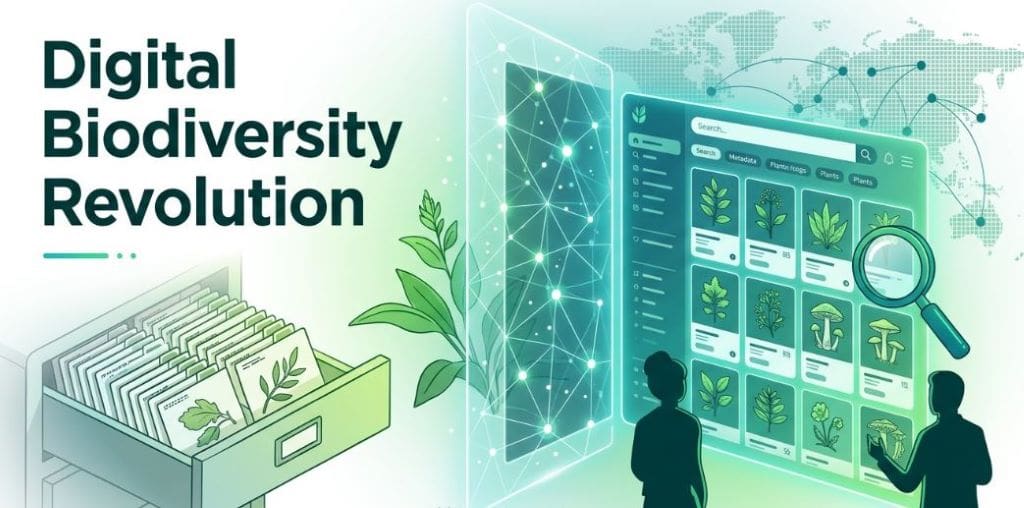
Plants and fungi quietly sustain every ecosystem on Earth. Yet thousands of species are disappearing before science can fully understand them. The 2026 State of the World’s Plants and Fungi report from the Royal Botanic Gardens, Kew, highlights a new era of biodiversity research. Artificial intelligence, large-scale digitisation, and genomic technologies are transforming how scientists discover, identify, and conserve life. Meanwhile, as climate change, habitat loss, and extinction risks intensify, this landmark report reveals the urgency of protecting plant and fungal diversity. It also highlights the unprecedented opportunities offered by the ongoing revolution of digital biodiversity around the world.
Key Takeaways
- To begin with, digital tools are transforming biodiversity research. Scientists can access millions of plant and fungal records online. Consequently, they can study species more quickly and accurately, ushering in a digital revolution for biodiversity studies.
- In addition, artificial intelligence is improving species identification. AI can analyze large datasets and recognize patterns. As a result, researchers can discover and protect species more effectively, which is central to the biodiversity revolution in the digital age.
- Meanwhile, many species remain unknown to science. Researchers estimate that thousands of plants and most fungal species have not yet been described. Therefore, many could disappear before scientists document them.
- At the same time, plants and fungi face growing threats. Climate change, habitat destruction, and human activities continue to reduce biodiversity. For this reason, many species are at risk of extinction.
- Finally, global collaboration plays a key role in conservation. Scientists, governments, and organizations must share knowledge and resources. In this way, they can strengthen efforts to protect biodiversity worldwide, especially as the digital biodiversity revolution expands scientific capabilities.
Digitization of Biodiversity Records
Digital records are changing how scientists study plants and fungi. In the past, researchers had to travel to museums and collections to see specimens. Today, they can view millions of records online. This change makes research faster and easier and is a key aspect of the Digital biodiversity revolution driving current advances.

In addition, digital collections give scientists quick access to images and data. They can study species, compare records, and share information from anywhere in the world. As a result, researchers can identify plants and fungi more quickly.
The Tide Is Turning on Over 400 Years of Inequality in Science
For many years, scientists collected plant and fungal specimens from different parts of the world. However, they often stored these collections in a small number of institutions. As a result, many countries had limited access to their own biodiversity records, and this is now shifting due to the digital biodiversity revolution making information widely accessible.
Today, this pattern is changing. Millions of records are now available online. Therefore, researchers can study important specimens from anywhere with an internet connection.
In addition, digital collections make science more open and accessible. Scientists can view images, read records, and share data with ease. As a result, more people can take part in biodiversity research fueled by the revolution in digital biodiversity resources.
The true scale of extinction has been underestimated
| Metric | Current Estimate | Why the True Number May Be Higher |
|---|---|---|
| Threatened plant species | 29,748 species | Scientists have assessed only 18% of known plant species. Therefore, many more threatened plants may remain unidentified. |
| Threatened fungal species | 411 species | Scientists have assessed only 0.6% of known fungal species. As a result, the actual number of threatened fungi is likely much higher. |
| Extinct plant species | Fewer than 1,000 species | It is difficult to prove that a species is completely gone. Therefore, many extinct plants may not yet be recorded. |
| Species still unknown to science | More than 100,000 plants and over 2 million fungi | Many species have not been discovered or described. As a result, some could disappear before scientists even find them because the digital biodiversity revolution is only beginning to reveal the true scale of loss. |
A Genomic Revolution in Fungi
Scientists now know much more about fungi. New genome tools help them study fungal DNA in a fast and simple way. As a result, they can find information that was not available before—one of many breakthroughs powered by the digital revolution advancing biodiversity research.
In the past, scientists identified fungi by looking at their shape and appearance. Today, genome sequencing gives a clearer picture. It shows how different fungi are related and how they changed over time. Therefore, scientists can identify fungal species with much greater accuracy, showcasing how the revolution of digital biodiversity has transformed the field.
Career options
Scientific and Research Careers
- Taxonomist – Finds, names, and groups different plant and fungal species. These roles are crucial in the context of the ongoing Digital biodiversity revolution.
- Mycologist – Studies fungi, how they grow, and their genetic makeup.
- Botanist – Studies plants, their habitats, and plant diversity amid rapid digital biodiversity revolution advances.
- Genomic or Molecular Biologist – Examines DNA to learn how species evolve and are related.
- Ecologist – Studies how plants, fungi, and other living things interact with nature. These positions are expanding as the revolution in digitizing biodiversity grows.
Frequently Asked Questions
What is the State of the World’s Plants and Fungi 2026 report?
It is a report about the world’s plants and fungi. It shares new discoveries, key challenges, and ways to protect biodiversity.
How do digital records help scientists?
Digital records put millions of plant and fungal specimens online. As a result, scientists can find, study, and share information more easily.
How does artificial intelligence help biodiversity research?
Artificial intelligence can sort and analyze large amounts of data. Therefore, it helps scientists identify species and make new discoveries faster
Reference
Royal Botanic Gardens, Kew. (2026, June 16). State of the world’s plants and fungi 2026. Royal Botanic Gardens, Kew. https://www.kew.org/about-us/press-media/state-of-worlds-plants-fungi-2026.
- Author
- Latest Posts

I completed my Master of Science from the University of Allahabad in 2017 with a strong academic background in life sciences and chemistry. My specialization included Molecular Biology, Microbiology, Genetics, Plant Breeding, Phycology, Paleobotany, and Bioinformatics, along with Organic Chemistry, Inorganic Chemistry, and Physical Chemistry. This multidisciplinary training provided me with a comprehensive understanding of biological systems and analytical scientific approaches.
After completing my postgraduate studies, I gained valuable professional experience in both the education and social development sectors. I worked at A.M. Oxford Public School, where I was actively involved in guiding students toward academic excellence. In this role, I focused on creating an engaging learning environment, encouraging critical thinking, and nurturing students’ curiosity for scientific learning. My experience as an educator strengthened my communication, mentoring, and classroom management skills.
In addition to my teaching experience, I worked with Jeevan Jagriti Foundation, where I contributed to community-based initiatives aimed at improving educational access and awareness among underprivileged sections of society. Through this work, I participated in programs designed to support social development and promote the value of education in marginalized communities.
These professional experiences helped me develop strong interpersonal, leadership, and organizational skills while reinforcing my commitment to education and community service.