The U.S food and drug Administration(FDA) has successfully reached its year milestones in transformative effort to replace animal testing with new approchs methologies
FDA Animal Testing Shift Explained
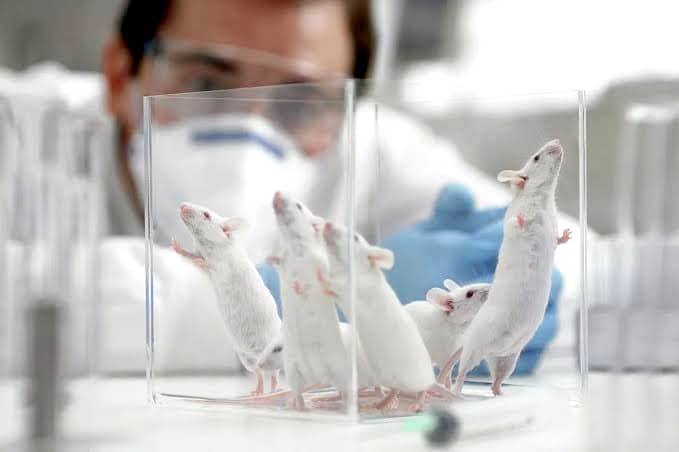
Estimated reading time: 6 minutes
Every year, millions of animals are used to test new drugs. However, most of those drugs still fail. In fact, over 90% of drugs that pass animal tests never get approved for humans. This is why the shift toward animal testing alternatives and FDA animal testing reduction is gaining global attention. So, why did scientists rely on animal testing for so long? Simply put, there was no better option at the time. Now, that is changing. The U.S. Food and Drug Administration (FDA) has started a major shift. Specifically, it is focusing on animal testing alternatives that are faster, cheaper, and more accurate for humans.
This change is not small. In fact, it could reshape how medicines are made across the world. Moreover, it connects directly to what students learn in school today.
Key Takeaways on Animal Testing Alternative
- The FDA animal testing reduction plan has been launched
- New tools like AI, lab-grown cells, and computer models are replacing animals
- These tools are called New Approach Methodologies (NAMs)
- The FDA approved its first AI-based drug development tool
- Drug development may become faster and cheaper
- Students can build careers in this fast-growing field
Why Animal Testing Needed a Change
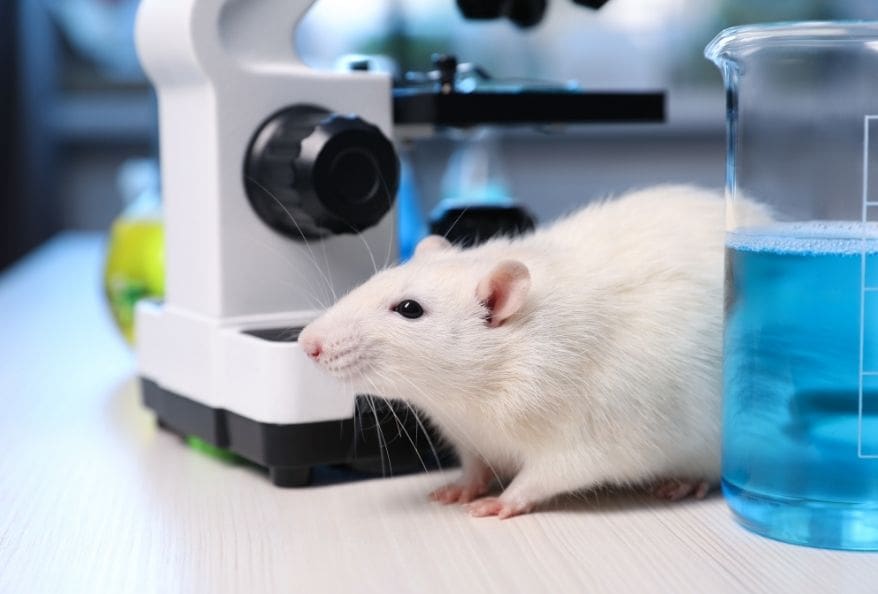
Animal testing has supported science for many years. For example, it helped researchers understand diseases and test new drugs. However, it also has clear limits. Humans and animals are different in important ways. Therefore, even small biological differences can change how a drug works. For instance, a medicine that is safe for a mouse may not be safe for a human. In some cases, it may not work at all.
To understand the issue better, here are some key facts:
- Over 90% of drugs fail after animal testing
- Most failures happen during human trials
- Safety and effectiveness are the main issues
Because of this, a major problem arises. Companies spend years developing drugs that never reach patients. As a result, this increases the cost of medicines. At the same time, there is an ethical concern. Millions of animals are used in testing every year. Therefore, many scientists and organizations support animal testing alternatives.
What the FDA Did on Animal Testing Alternative
A Clear Roadmap
In 2025, the FDA introduced a roadmap to reduce animal testing in drug development. Importantly, the plan included clear goals and timelines.
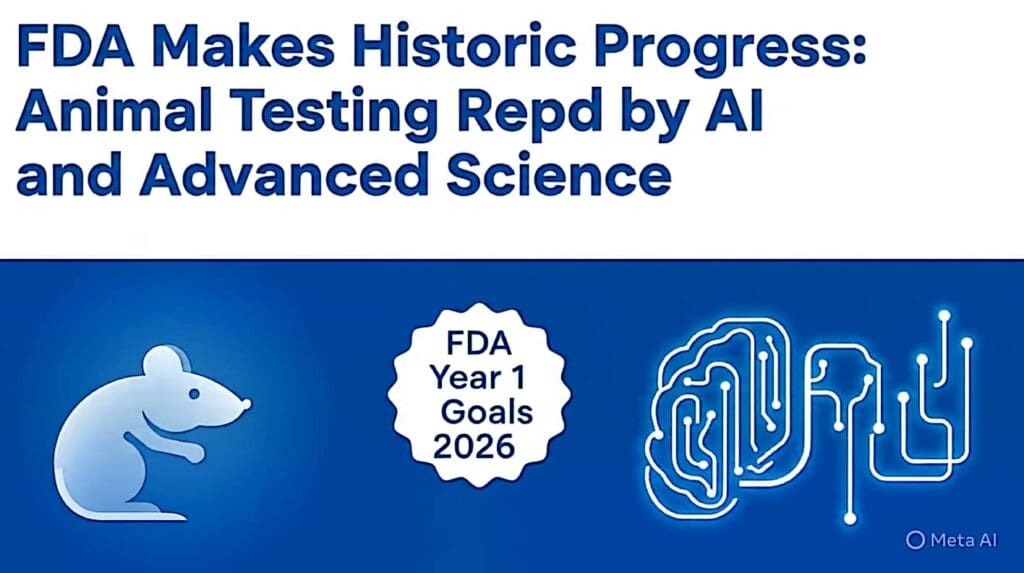
Unlike older policies, this roadmap focused on real action. In other words, it encouraged companies to adopt alternative testing methods instead of relying only on animals.
In 2026, the FDA reported that it met its first-year goals. As a result, this shows that change is already happening.
Animal Testing Alternatives — How They Work
The new methods are based on biology, chemistry, and computer science. Interestingly, these are subjects students already study.
Biology: Testing on Human Cells
One major method is in vitro testing. In simple terms, this means testing in a lab using human cells. Scientists grow cells outside the human body. As a result, these cells behave like real tissues.
For example, they can use:
- Liver cells to study drug breakdown
- Heart cells to test side effects
- Lung cells to observe breathing-related responses
Because of this, the approach gives better results since it uses human biology. In addition, students learn about cells and tissues in school, which directly connects to real-world applications. Moreover, advanced systems use organ-on-a-chip devices. These devices copy how organs work. They can simulate blood flow and movement. Therefore, testing becomes more realistic.
Chemistry: Predicting Drug Reactions
Chemistry plays a key role in drug development. Every drug is a chemical compound. Therefore, it reacts with proteins and other molecules in the body. Today, scientists use computers to simulate these reactions. This is called computational toxicology.
As a result, researchers can:
- Predict harmful effects early
- Study how drugs interact with the body
- Avoid unnecessary experiments
Ultimately, this method saves time and reduces costs. At the same time, it strongly supports FDA animal testing reduction.
AI and Computer Science
Artificial intelligence is changing how drugs are discovered. The FDA has already approved its first AI-based tool. Specifically, this tool can analyze large datasets and find patterns. For example, it can predict whether a drug is safe or effective.
Key fields include:
- Bioinformatics
- Artificial Intelligence (AI)
Overall, AI makes drug development faster and more efficient. As a result, it reduces the need for trial-and-error testing.
What Changed in Year One
- Reduced animal testing for certain drug types
- Updated endotoxin testing methods to avoid using horseshoe crab blood
- Created a database of approved alternative methods
- Introduced a weight-of-evidence system to combine data from multiple sources
- Partnered with the National Institutes of Health
- Worked with global regulators to support these changes
Why This Matters
Faster Drug Development
Traditional testing takes a long time. However, new methods can speed up the process. As a result, patients may get access to medicines sooner.
Lower Costs
Animal testing is expensive. In contrast, alternative methods reduce these costs. Therefore, drugs may become more affordable.
Better Accuracy
Human-based models provide better data. Because of this, they reduce unexpected problems during trials. Thus, patient safety improves.
Ethical Benefits
Reducing animal testing is a major ethical improvement. In fact, it aligns science with modern values.
How This Connects to Your STEM Future
The shift toward FDA animal testing reduction is creating new opportunities. As a result, industries need experts who understand both science and technology.
Career Opportunities
Students can explore careers such as:
- Biomedical Engineer
- Computational Toxicologist
- AI or Machine Learning Researcher
- Cell Biology Researcher
- Regulatory Scientist
Skills You Can Start Learning
To prepare, you can:
- Learn Python for data analysis and AI
- Build strong basics in biology and chemistry
- Explore bioinformatics
- Participate in STEM competitions
- Stay updated on healthcare innovations
Real-World Impact Beyond the Lab
The FDA’s move is not limited to the United States. In fact, it can influence global drug development. Since many countries follow FDA guidelines, changes can spread quickly. As a result, more companies adopt animal testing alternatives. Ultimately, this creates a ripple effect. Therefore, innovation increases and patients benefit from faster and safer medicines.
Conclusion on FDA Animal Testing Reduction
In conclusion, the shift toward FDA animal testing reduction marks a major change in drug development. Animal testing alternatives such as human cell models and AI are becoming the new standard. These methods are faster, more accurate, and more ethical. As a result, they can lower costs and improve patient safety. Looking ahead, this shift opens new career paths in science and technology. Overall, drug development is becoming more human-focused, and this transformation is already underway.
Frequently Asked Questions (FAQs) about Animal Testing Alternative
What is FDA animal testing reduction?
FDA animal testing reduction refers to efforts by the U.S. Food and Drug Administration to decrease the use of animals in drug testing. Instead, it promotes modern methods like human cell models, AI, and computer simulations.
What are animal testing alternatives?
Animal testing alternatives are scientific methods that replace or reduce animal use in experiments. These include in vitro testing (human cells), organ-on-a-chip technology, and computational models.
Why is animal testing being reduced?
Animal testing is being reduced because it often fails to predict human outcomes. Over 90% of drugs that pass animal tests fail in human trials. Ethical concerns and high costs are also major reasons.
How does AI help in drug development?
AI helps by analyzing large datasets to predict drug safety and effectiveness. It reduces trial-and-error testing and speeds up the drug discovery process.
Reference
U.S. Food and Drug Administration (2026). FDA achieves year 1 goals in reducing animal testing in drug development.https://www.fda.gov/news-events/press-announcements/fda-achieves-year-1-goals-reducing-animal-testing-drug-development
- Author
- Latest Posts

Ramya Dobbala is a pharmacist and science communicator dedicated to bridging the gap between complex pharmaceutical research and public understanding. A 2024 B.Pharmacy graduate, Ramya has a strong foundational background in formulation science, having spearheaded research into the evaluation and formulation of anti-acne creams. Her work focused on optimizing topical delivery systems to enhance treatment efficacy and skin health.
Transitioning from the laboratory to the forefront of scientific discourse, she now leverages her technical expertise to translate intricate healthcare concepts into accessible, engaging content. As an author and communicator, Ramya is passionate about empowering audiences with evidence-based insights, particularly in the realms of dermatology and pharmaceutical innovation.