Gut Microbiome Testing Enhances Individualized Healthcare Decisions
Gut Microbiome Testing and the Future of Wellness

Gut microbiome testing is a new way to check your health. It looks at the tiny bugs living in your gut. These bugs help with digestion, immunity, and mood. The test is simple. You send a small stool sample to a lab. The lab reads the DNA of your gut bugs. Then, you get a report. It tells you which bugs are good and which are missing. This helps you know what to eat or change. It is a tool for preventive health. That means you can stop problems before they start. It is also part of precision health care. That means your plan is made just for you, not for everyone. For example, your diet or supplements can match your unique gut bugs. In short, gut microbiome testing is a simple, low-cost way to take charge of your health. It helps you stay well and feel better every day.
Key Takeaways
Gut microbiome testing is a new tool for better health. It is simple and straightforward. You just send a small stool sample to a lab. The lab reads the DNA of the tiny bugs living in your gut. Then you get a personal report. It tells you which beneficial bugs you have and which ones are missing. This is a big step for preventive health.
How Gut Microbiome Tests Work
First, you get a test kit in the mail. It comes with simple instructions. Then, you collect a small stool sample at home. This is quick and easy. Next, you mail the sample back to the lab in a pre-paid box. After that, the lab reads the DNA from the tiny bugs in your sample. They use a method called sequencing. This tells them which bugs live in your gut and how many there are. Then, they compare your results to a large database of healthy and unhealthy gut profiles. Finally, you get a personal report online or in an app. It shows your good bugs, your missing bugs, and tips to improve your gut health. In short, the whole process is simple, private, and done from home. It gives you clear steps to feel better.
Types of Microbiome Testing Technologies
There are a few ways to test the Gut Microbiome. First, there is 16S rRNA sequencing. This method reads a small, unique part of a bug’s DNA. It is cheap and quick. As a result, it is very popular. However, it only tells you which types of bugs are there. It does not give full details. Next, there is shotgun metagenomic sequencing. This method reads all the DNA in your sample. Therefore, it gives a much more profound look. It can tell you which bugs are there, what they do, and even if they are harmful. On the other hand, it costs more. Finally, there is metabolomics. This test does not read DNA. Instead, it looks at the chemicals your gut bugs make. For example, it checks for short-chain fatty acids. Consequently, it tells you how your bugs are working, not just who they are.
Microbiome Testing for Disease Risk Assessment
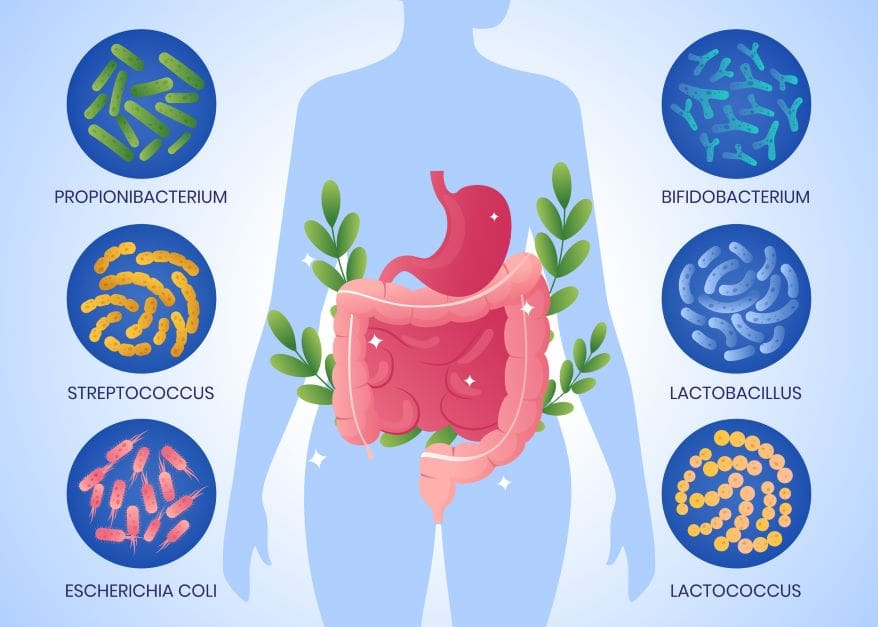
First, gut microbiome testing can help find your risk for certain diseases. How does it work? The lab reads the DNA of the bugs in your gut. Then, they compare your bug profile to people who are healthy and people who are sick. Consequently, they can spot patterns linked to disease. For example, low levels of good bugs are often tied to obesity, diabetes, and heart problems. Similarly, too many bad bugs can raise your risk for gut issues like IBS or IBD. In addition, some bug patterns are linked to mental health conditions like depression and anxiety. Therefore, your test report may warn you about these risks early. As a result, you can take steps to prevent disease before it starts. You might change your diet, take probiotics, or see a doctor sooner.
Gut Microbiome and Mental Health
First, did you know your gut bugs can affect your mood? It is true. Scientists call this the gut-brain axis. This is a two-way link between your gut and your brain. Consequently, the bugs in your gut can send signals to your brain. For example, good bugs make chemicals like serotonin and dopamine. These are happy chemicals that boost your mood. On the other hand, bad bugs can cause inflammation in the gut microbiome. This inflammation can reach your brain. As a result, it may lead to anxiety, depression, or stress. In addition, your gut bugs can affect how you handle stress. Some bugs help calm your nervous system. Others can make you feel more on edge. Therefore, a healthy gut often means a healthy mind. When you eat foods that feed good bugs, like fiber and fermented foods, you support both your gut and your brain.
Interpreting Microbiome Test Results
First, you get your test report. It can look like a lot of data. However, most reports are easy to read. They use simple charts and colors. For example, green means good. Red means you need to work on something. First, look at your diversity score. This tells you how many different types of bugs you have. A high score is healthy. A low score can mean problems. Next, check your healthy bugs. These are bugs that help with digestion and immunity in Gut Microbiome Testing. If they are low, your report will give tips to boost them. Similarly, check your harmful bugs. Too many can cause inflammation or disease. Your report may suggest foods or probiotics to help reduce them. In addition, some reports show your gut health score. This is a simple number or grade. It sums up your overall gut health.
Future Trends in Microbiome Diagnostics
First, the future of microbiome testing looks very exciting. New technologies are making tests faster, cheaper, and more detailed. For example, AI and machine learning will help read your gut bug data. Consequently, reports will be more accurate and personal. In addition, tests will soon find even more health risks. Currently, tests primarily focus on digestion and immunity. However, future tests may predict risks for cancer, brain diseases, and aging. Similarly, doctors will use these tests more often. Instead of just a research tool, it will become a standard part of checkups. As a result, preventive care will improve significantly. Furthermore, at-home test kits will become even simpler. You might get results in hours instead of weeks. Also, new methods like real-time monitoring are coming. This means you could track your gut health daily from your phone.
Frequently Asked Questions
What is gut microbiome testing?
Gut microbiome testing checks the tiny bugs in your gut. These include bacteria and fungi. It gives you clues about your health and disease risk
How does gut microbiome testing work?
The test typically uses a stool sample to identify microbial species and assess their abundance through advanced DNA sequencing technologies.
What health conditions can microbiome testing help assess?
It may provide information related to digestive disorders, metabolic health, immune function, inflammation, and certain chronic disease risks.
Reference
Damhorst, G. L., Adelman, M. W., Woodworth, M. H., & Kraft, C. S. (2021). Current Capabilities of Gut Microbiome-Based Diagnostics and the Promise of Clinical Application. The Journal of Infectious Diseases, 223(12 Suppl 2), S270–S275. https://doi.org/10.1093/infdis/jiaa689
Alexander, J. L., Mullish, B. H., Thomas, L., Weersma, R. K., Sokol, H., Roberts, L. A., Edwards, L. A., Emmanuel, A., Gerasimidis, K., Hall, L. J., Iqbal, T. H., Kinross, J. M., McIlroy, J., Monaghan, T. M., Sergaki, C., Shawcross, D. L., Stewart, C. J., Lamb, C. A., Williams, H. R. T., … Hold, G. (2026). Recent advances in our understanding of the gut microbiome: An analysis from the Gut Microbiota for Health Expert Panel of the British Society of Gastroenterology. Gut. Advance online publication. https://doi.org/10.1136/gutjnl-2026-338252
- Author
- Latest Posts

I completed my Master of Science from the University of Allahabad in 2017 with a strong academic background in life sciences and chemistry. My specialization included Molecular Biology, Microbiology, Genetics, Plant Breeding, Phycology, Paleobotany, and Bioinformatics, along with Organic Chemistry, Inorganic Chemistry, and Physical Chemistry. This multidisciplinary training provided me with a comprehensive understanding of biological systems and analytical scientific approaches.
After completing my postgraduate studies, I gained valuable professional experience in both the education and social development sectors. I worked at A.M. Oxford Public School, where I was actively involved in guiding students toward academic excellence. In this role, I focused on creating an engaging learning environment, encouraging critical thinking, and nurturing students’ curiosity for scientific learning. My experience as an educator strengthened my communication, mentoring, and classroom management skills.
In addition to my teaching experience, I worked with Jeevan Jagriti Foundation, where I contributed to community-based initiatives aimed at improving educational access and awareness among underprivileged sections of society. Through this work, I participated in programs designed to support social development and promote the value of education in marginalized communities.
These professional experiences helped me develop strong interpersonal, leadership, and organizational skills while reinforcing my commitment to education and community service.