Transform your home security with a home safety network. Discover how community connections can keep your neighborhood safe.
Neighbors Are Key to Your Home Safety Network
Estimated reading time: 7 minutes
People often picture home safety as a set of products and locks working quietly in the background. That matters, of course. But one of the strongest layers of protection is much more human. It is the people who notice when your porch light stays on all day, when a package sits too long at the door, or when someone unfamiliar starts circling parked cars at the end of the street.
The Safest House On The Block Is Rarely Working Alone
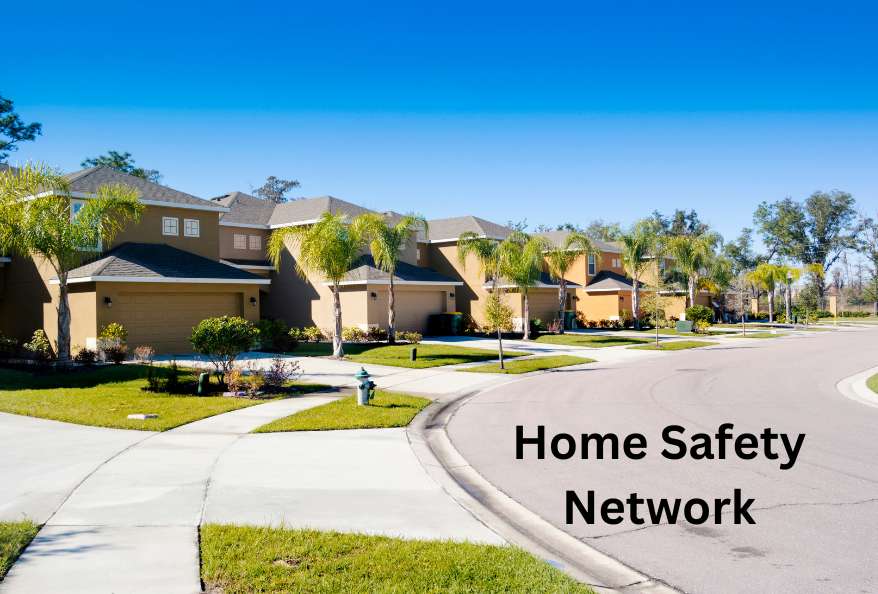
That is why a smart safety plan is not just about alarms, lighting, and security cameras for home. It is also about building a neighborhood where people know one another well enough to spot what is normal, what is off, and when it is time to check in. The strongest home safety network usually looks less like a fortress and more like a connected block.
In many cases, neighbors are your earliest warning system. They are there when you are at work, traveling, picking up the kids, or simply asleep. A trusted neighbor can collect mail, move a delivery inside, notice an open garage door, or call when they hear a smoke alarm. The Department of Justice has long encouraged residents to strengthen Neighborhood Watch efforts and work together on practical prevention, including watching for suspicious activity and securing homes when someone is away. Neighborhood Watch guidance from the U.S. Department of Justice supports that kind of shared responsibility.
Why Familiarity Is A Real Safety Tool
Most criminal activity depends on opportunity. A home that looks isolated, unobserved, or predictable is easier to target than one that feels connected to alert people nearby. When neighbors recognize each other’s routines, cars, kids, pets, and visitors, unusual activity stands out faster, effectively forming an informal home safety network.
This does not mean everyone has to become amateur investigators. In fact, the best neighborhood safety culture is calm, respectful, and observant. It is the simple habit of noticing. A stranger peering into side gates. A service person at the wrong address. A ladder placed near a back window. A dog barking at a side yard that usually stays quiet. These details can seem minor on their own, but together they create a clearer picture of whether something deserves attention.
Familiarity within a home safety network also helps in everyday situations that are not crimes at all. Maybe an older resident has not picked up the newspaper. Maybe a family forgot to close a front door before leaving town. Maybe storm damage knocked out power while one household is away. The same awareness that deters theft can also prevent accidents, property damage, and medical emergencies from getting worse.
Home Safety: The Best Neighbor Network Starts Before There Is A Problem
A lot of people want supportive neighbors, but they wait until they need help to build those relationships. Home safety works better the other way around. Small, low pressure connections made early create trust that pays off later.
That can be as simple as learning names, exchanging phone numbers with a few nearby households, or mentioning travel plans to someone you trust. If you are going away for a long weekend, it helps when one person knows your car will not be in the driveway and another knows a pet sitter is expected on Friday evening. If a package arrives, someone can move it. If a gate swings open, someone can text you. If a storm rolls through, someone can check whether a branch hit your fence.
The key is not oversharing. It is sharing the right information with the right people. You do not need a neighborhood group chat with every detail of your life. You simply need a small home safety network – a short list of people who can recognize what belongs and what does not.
Technology Works Better When Neighbors Understand It
Security devices are useful, but they are even more effective when they are part of a shared awareness system. A camera may capture motion, but a neighbor can tell you whether that person was the landscaper, a delivery driver, or someone who had no reason to be there. A smart doorbell can send alerts, but if you are on a plane, a nearby friend may be the one who can act on them.
This is one reason community communication matters. When neighbors know you have workers scheduled, when a relative is stopping by, or when you are out of town, they can interpret what they see more accurately. That reduces false alarms and makes real concerns easier to spot.
Technology should support human judgment, not replace it. Cameras, motion lights, and app alerts are strongest when they help people coordinate. They are not just recording devices. In a connected neighborhood, they become conversation starters for quick, practical action.
Home Safety Network: It Is Also About Fire, Weather and Medical Emergencies
Home safety is often framed around burglary, but neighbors can be just as important during emergencies that have nothing to do with crime. Smoke alarms, severe weather, power outages, and sudden health events all move faster than we expect. A nearby person may be the first to hear an alarm, smell smoke, or notice that someone needs help getting out of the house.
That matters especially for homes with children, older adults, or people with mobility limitations. The National Fire Protection Association recommends practicing home escape planning and making sure anyone who needs assistance has support identified in advance. Home fire escape planning from the National Fire Protection Association is a useful reminder that safety planning works best when everyone knows their role.
Think about what that looks like in real life. One neighbor knows where an older resident keeps a spare cane. Another knows which side gate opens most easily. Another knows that a family with young children should be checked first if there is a fire truck on the street at 2 a.m. None of this is dramatic. It is simply prepared.
Also Read: AI Home Care Robot for Aging Adults
How To Create A Neighborhood That Naturally Looks Out For One Another
The most effective safety networks usually do not begin with a formal meeting. They begin with steady habits.
Say hello when you can. Learn who lives two doors down, not just next door. Keep an eye on shared spaces like alleys, sidewalks, and parking areas. Mention unusual activity without turning every moment into a crisis. If your block has a group text, use it for useful updates to strengthen your local home safety network, instead of constant noise.
You can also create practical routines. Let trusted neighbors know about vacations. Offer to grab deliveries for each other. Check on the house with the dark porch after a storm. If someone new moves in, introduce yourself early so they know who belongs nearby. When people feel known, they are more likely to participate and more likely to speak up when something seems wrong.
This approach also improves the feel of a neighborhood along with home safety. A connected block tends to be cleaner, calmer, and more confident. People use their front porches more. Kids are recognized. Visitors are easier to identify. Problems are noticed sooner. Safety stops being a private burden and becomes part of the environment.
Home Safety Network: Your Home Is Protected Best When Your Block Is, Too
It is easy to think of home safety as a personal project. Lock the doors. Set the alarm. Check the app. Review the footage. All of that matters, but it misses a larger truth. Homes do not exist in isolation. They sit on streets, beside sidewalks, across from driveways, and within view of people who can either stay disconnected or become part of your protection.
When neighbors know and trust one another, home safety becomes faster, smarter and also more resilient. Someone notices. Someone texts. Someone checks. Someone calls for help. That network may be informal, but it is powerful. If you want a stronger home safety plan, start with your front door, then look beyond it. The people living nearby may be one of the most valuable security features you have.
- Author
- Latest Posts

Deven Nandapurkar is a Software Engineer, Project Lead; working at the strategic intersection of software engineering, productivity science, and emerging technologies. Driven by a core philosophy of “building things worth building,” he leads cross-functional teams and drives end-to-end technical strategy—from early-stage conceptualization through production-grade deployment.
A Computer Engineering graduate from Pune University, Deven brings a sharp systems-thinking approach to technical leadership, honed by years of managing high-stakes engineering projects and leading teams to top placements in national and international hackathons, including the NASA Space Apps Challenge and the Peerlist GenAI Hackathon.
Deven explores how human cognition and emerging technology converge. He regularly writes about cognitive performance optimization, attention management, AI integration, and the evolving dynamics of the modern workforce – offering actionable frameworks for professionals seeking to maximize their productivity and thrive alongside intelligent systems.