Pulmonary circulation is one half of the double circulation system. First, the right side of the heart pumps blood low in oxygen.
Double Circulation and Human Heart Function
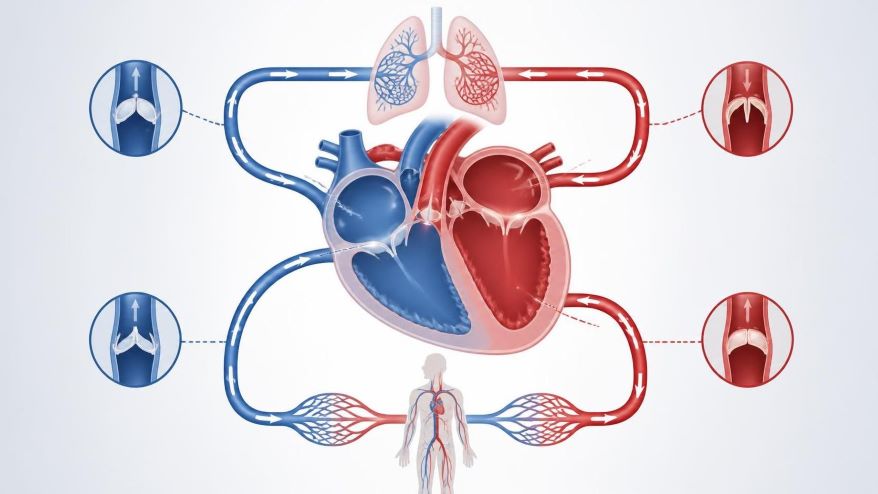
Our body uses a double circulation system. First, the right side of the heart pumps blood to the lungs. This blood gives off waste gas and picks up fresh oxygen. This is called the pulmonary circuit. Then, the blood comes back to the left side of the heart. Next, the left side pumps this fresh blood to the rest of the body. This is called the systemic circuit. So, the double circulation system means blood goes through the heart two times for one full trip around the body. First to the lungs, then to the body. This keeps oxygen-rich blood separate from oxygen-poor blood. As a result, the body gets a steady supply of energy, and waste is removed fast.
Key Takeaways: Double Circulation System
- The heart uses a double circulation system. This means blood passes through the heart two times during one full trip.
- The right side pumps blood to the lungs. This first loop is the pulmonary circuit. Blood drops off waste gas and picks up fresh oxygen there.
- The left side pumps blood to the body. This second loop is the systemic circuit. It delivers oxygen and food to all cells.
- This system keeps two blood types separate. One type has lots of oxygen. The other type has little oxygen. They never mix.
- Active pumping gives the body a big boost. High pressure pushes blood fast to the lungs and the rest of the body.
- The double circulation system works nonstop. This steady flow gives cells a constant supply of energy and quickly removes waste.
Double Circulation System: Pulmonary Circulation
Pulmonary circulation is one half of the double circulation system. First, the right side of the heart pumps blood low in oxygen. This blood travels through a big vessel to the lungs. Then, in the tiny air sacs of the lungs, the blood drops off waste gas. After that, it picks up fresh oxygen. Next, the now-oxygen-rich blood flows back to the left side of the heart. As a result, the double circulation system keeps this lung loop separate from the body loop. So, by using active pumping, the heart sends blood to the lungs and then sends it on to the body. In summary, pulmonary circulation cleans the blood and gives it oxygen, ready for the next trip.
Double Circulation System: Systemic Circulation
Systemic circulation is the second half of the double circulation system. First, the left side of the heart pumps oxygen-rich blood. This blood travels through large arteries to the whole body. Then, the blood reaches tiny vessels in all tissues. There, it drops off oxygen and food to every cell. After that, the blood picks up waste gas from the cells. Next, this now-oxygen-poor blood flows back through veins to the right side of the heart. As a result, the double circulation system keeps this body loop separate from the lung loop. So, by using active pumping, the heart sends fresh blood to all organs and then recycles the used blood. In summary, systemic circulation delivers energy to every part of the body and removes waste.
Pathway of Blood Flow
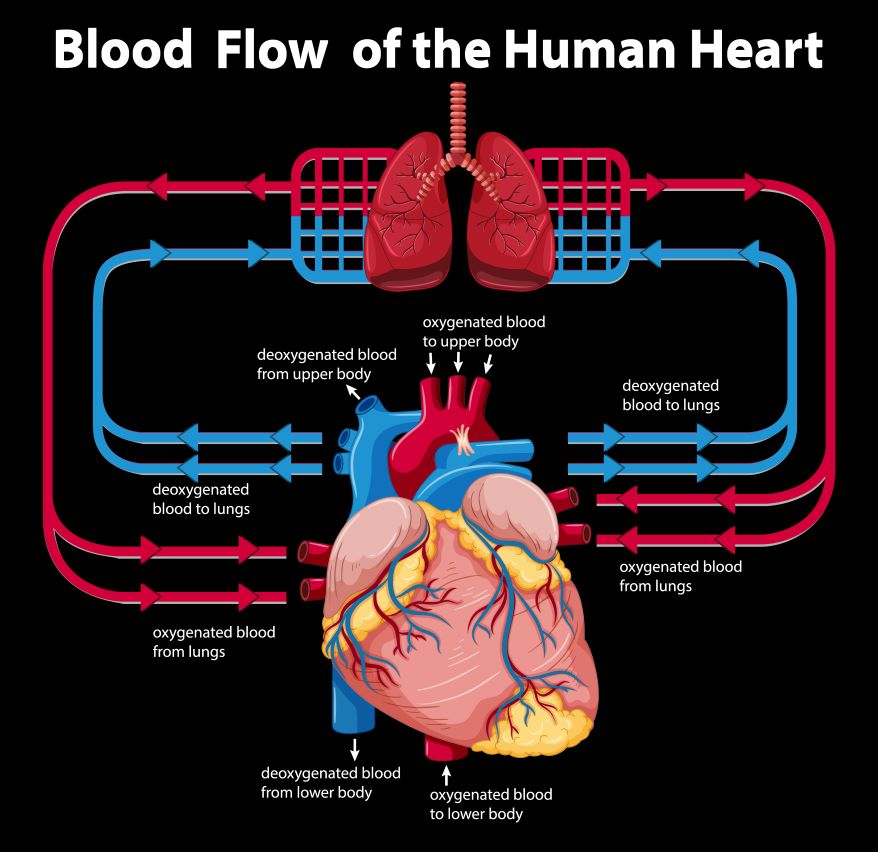
The pathway of blood flow follows a clear loop. First, deoxygenated blood enters the right atrium from the body. Then, it moves down into the right ventricle. After that, the right ventricle pumps this blood to the lungs. In the lungs, the blood drops off waste gas and picks up fresh oxygen. Next, the now-oxygenated blood returns to the left atrium. Then, it moves down into the left ventricle. After that, the left ventricle pumps this fresh blood out to the whole body. So, the blood travels to all organs and tissues. There, it drops off oxygen and picks up waste. As a result, the blood flows back to the right atrium again. This complete loop is part of a double circulation system. Finally, the heart repeats this cycle nonstop to keep the body alive and active.
Why Humans Need Double Circulation
Humans need a double circulation system for one main reason: high energy. A single loop cannot push blood fast enough to both the lungs and the far ends of the body. First, the heart sends blood to the lungs for oxygen. Then, it pumps that fresh blood out to the whole body. This two-step process keeps oxygen-rich blood separate from oxygen-poor blood. As a result, the body gets a steady, high-pressure supply of fuel. Cells receive food and oxygen quickly. Waste leaves fast too. This active pumping supports large brains and active muscles. Without this setup, humans would run low on energy and grow tired very fast.
Oxygenated vs. Deoxygenated Blood
| Feature | Oxygenated Blood | Deoxygenated Blood |
|---|---|---|
| Oxygen level | High | Low |
| Color | Bright red | Dark red |
| Location in the body | Travels from lungs to left side of heart, then to body | Travels from body to right side of heart, then to lungs |
| Main job | Delivers oxygen and food to all cells | Carries waste gas back to lungs |
| Vessels it uses | Arteries (except pulmonary artery) | Veins (except pulmonary vein) |
| Role in the system | Fresh blood powers the body loop | Used blood returns for cleaning |
Frequently Asked Questions
What is the double circulation system?
The Double Circulation System is a simple but powerful design. First, blood passes through the heart two times during one full trip around the body. The first loop goes to the lungs. There, blood drops off waste gas and picks up fresh oxygen. Then, the blood returns to the heart. After that, the second loop pumps this fresh blood out to the rest of the body.
What are the two types of circulation?
The two types of circulation work together as one complete loop. First, pulmonary circulation sends blood to the lungs. There, blood drops off waste gas and picks up fresh oxygen. Then, the clean blood returns to the heart. After that, systemic circulation sends this fresh blood to the rest of the body. The blood delivers oxygen and food to all cells. Next, the used blood returns to the heart again. So, these two types form a double circulation system. First the lungs, then the body.
What is pulmonary circulation?
Pulmonary circulation is the first loop of the double circulation system. First, the right side of the heart pumps blood low in oxygen. Then, this blood travels through a large vessel to the lungs. In the lungs, the blood passes through tiny air sacs. There, it drops off waste gas. After that, it picks up fresh oxygen. Next, the now-oxygen-rich blood flows back to the left side of the heart. So, this loop only goes from the heart to the lungs and back.
References
Furst, B., & González-Alonso, J. (2025). The heart, a secondary organ in the control of blood circulation. Experimental physiology, 110(5), 649–665. https://doi.org/10.1113/EP091387
Ittikitpaisarn, V., & Jittivadhna, K. (2025). Building connections: Promoting meaningful learning of the human circulatory system through leading questions. Advances in Physiology Education, 49(3), 749–757. https://doi.org/10.1152/advan.00053.2025
- Author
- Latest Posts

I completed my Master of Science from the University of Allahabad in 2017 with a strong academic background in life sciences and chemistry. My specialization included Molecular Biology, Microbiology, Genetics, Plant Breeding, Phycology, Paleobotany, and Bioinformatics, along with Organic Chemistry, Inorganic Chemistry, and Physical Chemistry. This multidisciplinary training provided me with a comprehensive understanding of biological systems and analytical scientific approaches.
After completing my postgraduate studies, I gained valuable professional experience in both the education and social development sectors. I worked at A.M. Oxford Public School, where I was actively involved in guiding students toward academic excellence. In this role, I focused on creating an engaging learning environment, encouraging critical thinking, and nurturing students’ curiosity for scientific learning. My experience as an educator strengthened my communication, mentoring, and classroom management skills.
In addition to my teaching experience, I worked with Jeevan Jagriti Foundation, where I contributed to community-based initiatives aimed at improving educational access and awareness among underprivileged sections of society. Through this work, I participated in programs designed to support social development and promote the value of education in marginalized communities.
These professional experiences helped me develop strong interpersonal, leadership, and organizational skills while reinforcing my commitment to education and community service.