The FDA food dye ban is here. Learn how this big change in color additives impacts your everyday food products.
FDA Finally Ditches Old-School Dyes: What’s Really in Your Food Now
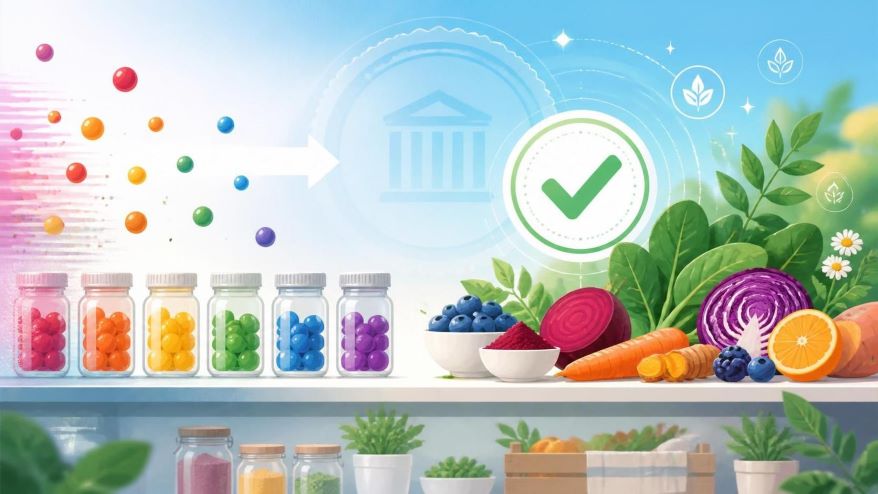
The FDA just made a big move. It wants to remove outdated color additive authorizations. This directly impacts what companies put in your food, and one of the biggest topics is the recent FDA food dye ban. Many old rules are no longer safe. The agency is acting on new scientific data. This change affects candies, cereals, and even sodas. You eat these products daily. Understanding this shift is important for your health. The goal is consumer protection. Let’s look at what the FDA did.
Key Takeaways
- The FDA is canceling old approval for certain color additives.
- This move follows new science and safety reviews.
- Manufacturers must change recipes soon.
- The action targets artificial dyes specifically.
- It aims to reduce potential health risks.
Why the FDA Takes Further Steps to Remove Outdated Authorizations for Color Additives in Food
The Role of New Scientific Evidence
First, science is much better today. Earlier tests were not as thorough. Now, newer research has found possible links between some dyes and health concerns. For example, some studies connect certain dyes with hyperactivity in children.
Next, the FDA food dye ban reviews this new evidence. As a result, it found that older safety limits are not strong enough. At the same time, manufacturing methods have changed, and some additives are no longer needed.
Meanwhile, the industry has also evolved. Because of that, outdated rules can cause confusion and may lead to unnecessary risks. Therefore, the FDA is updating policies to create clearer, safer standards.
Aligning with Global Standards
Another key point is international standards. Many countries already banned these colors, so the US lagged behind. As a result, the US FDA is aligning its rules with global norms. This shows the FDA is using modern science and being transparent. The change also reflects public pressure from consumer groups—and it’s long overdue.
Details of the FDA Removal of Food Dyes
Which Additives Are Targeted
To explain, the FDA food dye ban targets certain synthetic dyes with FD&C numbers. For example, Red No. 3—already banned in cosmetics—is now under review for food. Yellow No. 5 and Yellow No. 6 are also being reviewed because they’re common in processed snacks. As a result, the FDA will remove these authorizations.
| Additive Name | Common Use | Proposed Change |
|---|---|---|
| FD&C Red No. 3 | Candy, cakes | Revoke food authorization |
| FD&C Yellow No. 6 | Cereals, drinks | Tighten allowable limits |
| FD&C Green No. 3 | Medications | Removal from use list |
Impact on Food Manufacturers FDA removal of food dyes
With the fda ban on food dyes taking effect, companies will need to adapt their current practices by reformulating products so they can no longer use the restricted dyes after the specified date; while this is a significant challenge for large brands, it also creates an opportunity to switch to natural alternatives such as beet juice or turmeric, which can deliver effective color while supporting a safer consumer choice, and the FDA’s transition period helps businesses manage the change smoothly.
- Change ingredient sourcing quickly.
- Update all product labels.
- Test new natural color stability.
- Manage cost increases for new ingredients.
- Train staff on new recipes.
All in all, it is a major industry shift. Companies must plan carefully. They need to communicate with suppliers. The change is mandatory but manageable.
Timeline for the FDA Food Dye Ban
The Phased Approach FDA removal of food dyes
Under the fda ban on food dyes, the FDA has outlined a phased plan: it begins with an official proposal, followed by a public comment period where input is reviewed, and then the final rule is issued along with a compliance date—typically 2 to 3 years—to give companies time to use existing inventory and adjust formulas while helping prevent supply disruption and ensuring a smooth transition toward the end goal.
Enforcement and Compliance
After that, enforcement will begin. Inspectors will check products. Fines are possible for non-compliance. The FDA is serious about this. They are removing confusion. They are also protecting vulnerable groups. Children are a major concern. They consume many colored products. The new rules target those risks directly. This is a proactive public health measure.
What This Means for Consumers
Changes on Store Shelves
As a matter of fact, consumers will see changes on shelves. Product labels will list clearer ingredients. The colors may look different. Natural colors are often duller. But the trade-off is safety. You will have better information. The FDA is making your food safer. You can make smarter choices. This action restores trust in the system. It shows the FDA is watching.
Natural Alternatives to Artificial Dyes
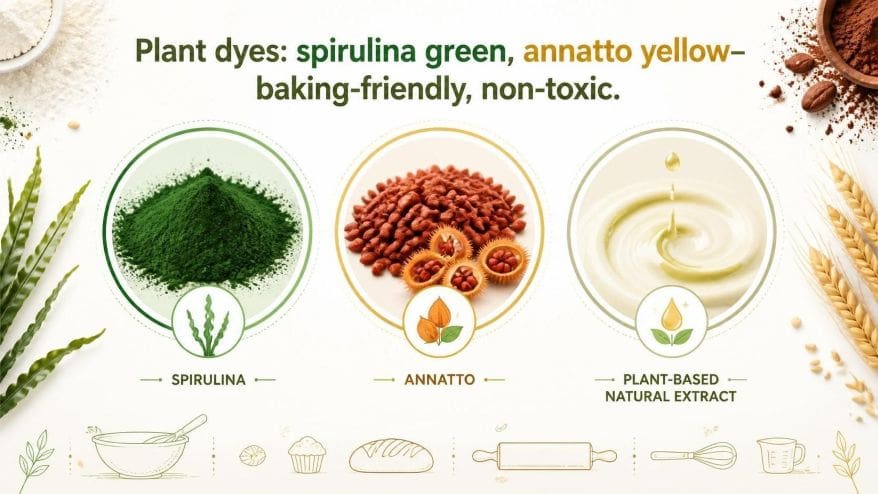
To put it differently, natural dyes are now big business. Companies like Nestlé are already switching. They use spirulina for green. They use annatto for yellow. These sources are plant-based. They are also non-toxic. The shift is positive for health. It also reduces chemical exposure. The natural options are stable. They work well in baking.
- Beet Juice: Replaces Red No. 3 in candies.
- Turmeric: Replaces Yellow No. 5 in cereals.
- Spirulina Extract: Replaces Blue No. 1 in drinks.
- Paprika: Replaces Red No. 40 in snacks.
- Annatto: Replaces Yellow No. 6 in cheese.
So, your food will taste the same. It just might look a bit muted. That is a small price to pay.
Long-Term Benefits of This Action
Health Improvements FDA removal of food dyes
As can be seen, this move has many benefits. It lowers the risk of allergic reactions. Some people are sensitive to synthetic dyes. It also helps children’s behavior. Studies show a link to ADHD. The FDA is addressing this directly. The new rules set a higher bar. Future additives must be safer. The process is more rigorous. This protects everyone. The agency is showing leadership.
Frequently Asked Questions
Will my favorite candy disappear?
Your candy will still exist, and the recipe will change slightly. As a result, manufacturers will use natural color sources. Meanwhile, the flavor remains unaffected. However, the color might look different.
When do these rules start?
The FDA proposal is out now. Later, a final rule will follow. In the meantime, compliance is expected in two years. Therefore, companies have ample time to adjust their recipes.
Are natural dyes safe?
Yes, natural dyes are very safe. First, they come from plants. Additionally, they are used by humans for centuries. Moreover, they have no known health risks. Therefore, it’s important to note that the FDA approves them.
Why didn’t FDA act earlier?
Science was not conclusive before. However, now better studies exist. In addition, there is also more public demand for safety. As a result, the FDA listened and acted.
Do I need to throw away old food?
You usually don’t need to throw away old food right away. Check the label for dye/color ingredients and the expiration or best-by date. If it’s within date, stored properly, and shows no spoilage, it’s generally safe to eat.
Conclusion fda food dye ban
In conclusion, the FDA’s shift away from outdated synthetic colors is about improving safety with stronger science. Moreover, the reformulation timeline gives companies time to adjust without sudden supply problems. Overall, consumers should expect clearer rules—and possibly a slightly different look—but similar products in the end.
References
- Arnold, L. E., Lofthouse, N., & Hurt, E. (2012). Artificial food colors and attention-deficit/hyperactivity symptoms: conclusions to dye for. Neurotherapeutics, 9(3), 599-609. https://doi.org/10.1007/s13311-012-0133-x
- U.S. Food and Drug Administration. (n.d.). Color additives—Information for consumers. https://www.fda.gov/food/food-ingredients-packaging/color-additives-information-consumers
- Author
- Latest Posts

Ramya Dobbala is a pharmacist and science communicator dedicated to bridging the gap between complex pharmaceutical research and public understanding. A 2024 B.Pharmacy graduate, Ramya has a strong foundational background in formulation science, having spearheaded research into the evaluation and formulation of anti-acne creams. Her work focused on optimizing topical delivery systems to enhance treatment efficacy and skin health.
Transitioning from the laboratory to the forefront of scientific discourse, she now leverages her technical expertise to translate intricate healthcare concepts into accessible, engaging content. As an author and communicator, Ramya is passionate about empowering audiences with evidence-based insights, particularly in the realms of dermatology and pharmaceutical innovation.