Hormones play a crucial role in regulating reproductive functions and processes.
Reproductive System: Understanding Organs, Hormones, and Reproduction
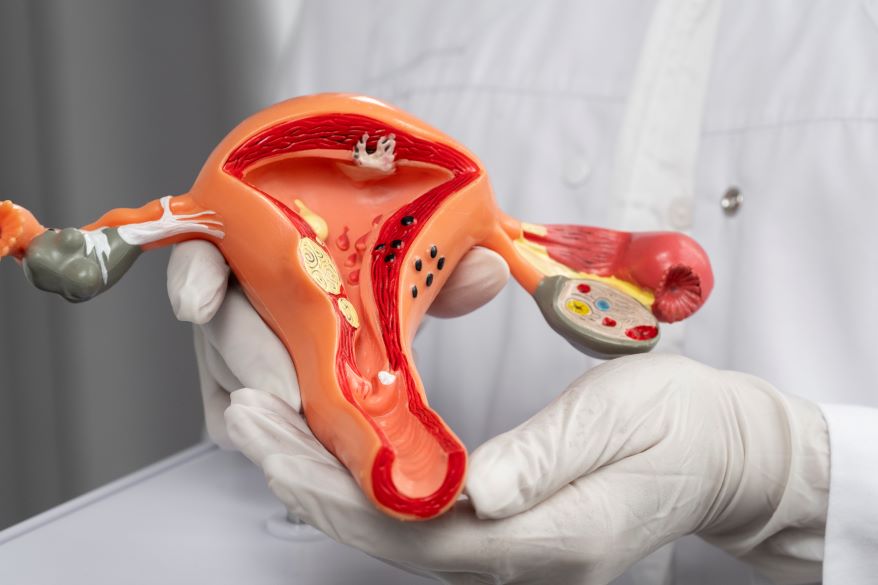
The human body has the remarkable ability to create new life. In general, every person begins when two specialised reproductive cells come together. Specifically, a sperm cell meets an egg cell, and together they form the first cell of a new human organism. This process depends on the reproductive system, which performs essential functions in both males and females. Furthermore, this system produces specialised sex cells called gametes, while the gonads also produce important hormones that regulate reproductive development, growth, and sexual characteristics. In addition, reproductive organs transport gametes through specialised pathways and, in females, support the development of the foetus during pregnancy. Moreover, understanding the reproductive system is important for maintaining reproductive health and making informed health and family-planning decisions.
Key Takeaways
- The male reproductive system makes and delivers sperm.
- The female reproductive system makes eggs and carries a baby.
- Gametogenesis produces sperm in men and eggs in women.
- The menstrual cycle readies the uterus for pregnancy each month.
- Fertilisation joins a sperm and an egg to start a new life.
- Hormones control puberty, fertility, and sexual traits
Male Reproductive System
The male reproductive system produces and delivers sperm and plays an important role in human reproduction. First, its main external structures include the penis and scrotum. Within the scrotum, the testes are located and function as the male gonads. Specifically, the testes produce sperm cells and testosterone, which is the primary male sex hormone. Furthermore, testosterone supports male reproductive development and contributes to the development of secondary sexual characteristics.
In addition, sperm require a slightly cooler environment to develop properly. For this reason, the scrotum helps regulate the temperature of the testes. When the surrounding temperature changes, muscles in the scrotal wall can contract or relax. As a result, the testes can move closer to or farther away from the body, helping maintain a suitable temperature for sperm production.
Sperm Production and Hormones
Inside each testis are coiled tubes called seminiferous tubules, which are responsible for producing sperm through a process known as spermatogenesis. Typically, spermatogenesis begins at puberty and, thereafter, continues throughout most of a man’s reproductive life. During this process, developing sperm cells gradually acquire their characteristic shape, resembling tiny tadpoles with an oval head and a long tail. In particular, the tail enables sperm to swim and move toward the egg.
Accessory Glands of the Male Reproductive System
The male reproductive system contains three major accessory glands, and each gland contributes specific fluids to semen. Together, these glands produce fluids that help protect, nourish, and transport sperm. First, the seminal vesicles release a sugar-rich fluid containing nutrients that provide sperm with energy for movement. In addition, the prostate gland, located below the bladder, adds a fluid that supports sperm survival and function. Furthermore, the bulbourethral glands produce a clear, slippery fluid that helps lubricate the urethra and reduce acidity before ejaculation. As a result, the secretions from these accessory glands combine with sperm and other reproductive fluids to form semen. Thus, each gland contributes to creating an environment that supports sperm movement and reproductive function.
Female Reproductive System
External Genitalia
The female reproductive system consists of both external and internal reproductive organs. Externally, the structures collectively form the vulva, which protects the openings and underlying reproductive tissues. First, the mons pubis forms the upper portion of the vulva and consists largely of fatty tissue that helps cushion and protect the underlying structures. Below it, the labia majora and labia minora form folds of skin that surround and protect the external openings. In addition, the labia contain glands that contribute to lubrication and protection of the area.
Internal Organs of the Female Reproductive System
Most reproductive functions take place within the internal organs of the female reproductive system. First, the vagina is a muscular tube that connects the uterus to the outside of the body. During sexual intercourse, it receives the penis, and, in addition, it serves as the birth canal during childbirth. Furthermore, the inner lining of the vagina contains folds called rugae, which allow the vagina to expand and stretch when necessary.
The Menstrual Cycle
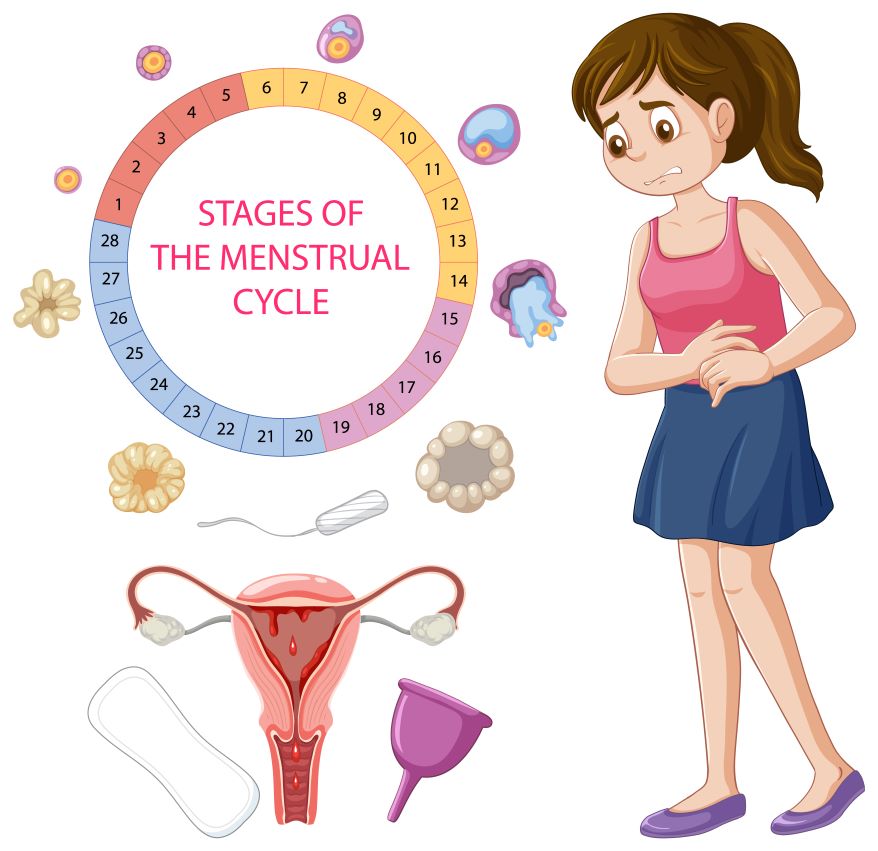
The menstrual cycle is a series of monthly changes that occur in the female reproductive system to prepare the body for a possible pregnancy. First, the cycle begins with menstruation, when the uterine lining, or endometrium, is shed if pregnancy has not occurred. During this stage, hormone levels are relatively low, and the reproductive system begins preparing for the next cycle.
Next, the follicular phase begins as the pituitary gland releases follicle-stimulating hormone (FSH). As a result, ovarian follicles begin to develop, and one follicle usually becomes dominant. At the same time, estrogen levels gradually increase and stimulate the endometrium to thicken. Therefore, the reproductive system prepares the uterus for a potential pregnancy.
Frequently Asked Questions (FAQs)
What is the human reproductive system?
The human reproductive system is a group of organs and structures in the body responsible for producing offspring. It includes primary organs such as the ovaries in females and testes in males, as well as accessory organs like the uterus, fallopian tubes, and penis.
How does the human reproductive system function?
The reproductive system functions by producing gametes (sperm in males and eggs in females), facilitating fertilization, and supporting the development of a fetus during pregnancy. Hormones regulate these processes, ensuring reproductive health and fertility.
What are the main differences between male and female reproductive systems?
The male reproductive system primarily produces and delivers sperm, while the female reproductive system produces eggs, supports fertilization, and nurtures the developing fetus. Anatomically, males have testes and a penis, whereas females have ovaries, fallopian tubes, a uterus, and a vagina.
Why is understanding of the fundamentals of reproductive system important?
Understanding the reproductive system is undoubtedly crucial for recognizing how the body functions, maintaining reproductive health, preventing and managing diseases, and making informed decisions about sexual health and family planning.
What are common misconceptions about the human reproductive system?
Common misconceptions include oversimplified views of reproduction, misunderstandings about fertility and contraception, and lack of awareness about the complexity and hormonal regulation involved in reproductive processes.
References
- Walker, W. H. (2011). Testosterone signaling and the regulation of spermatogenesis. Spermatogenesis, 1(2), 116-120. https://doi.org/10.4161/spmg.1.2.16956
- Heldring, N., Pike, A., Andersson, S., Matthews, J., Chaffman, G., Treuter, E., … & Gustafsson, J. Å. (2007). Estrogen receptors: how do they signal and what are their targets. Physiological Reviews, 87(3), 905-931. https://doi.org/10.1152/physrev.00026.2006
- Shubrook, C., Breneisen, K., & Pottenger, M. (2025). Identifying somatic and social concerns that may suggest an underlying mental health condition in pediatric primary care. Journal of Osteopathic Medicine. https://doi.org/10.1515/jom-2025-0132
- Levine, H., Jørgensen, N., Martino-Andrade, A., Mendiola, J., Weksler-Derri, D., Mindlis, I., … & Swan, S. H. (2017). Temporal trends in sperm count: a systematic review and meta-regression analysis. Human Reproduction Update, 23(6), 646-659. https://doi.org/10.1093/humupd/dmx022
- Author
- Latest Posts

I am a Master’s qualified in Science with focus on Zoology and Entomology and am a passionate, curiosity-driven science enthusiast aiming to transform complex scientific ideas in a manner that are easy to understand hence, educate, and inspire.
I have an experience of working on the projects in the field of Entomology which has provided me hands-on experience with various research techniques. Besides, I have also gained experience of lab work as well as developed communication skills during the course of my bachelors and masters.
With a strong foundation in life sciences and a growing interest in Medical and Biological research, I have cultivated a writing style that merges scientific facts with creativity.
My experience in teaching has also taught me to develop an understanding of what are the interests of people and how to communicate them effectively.
I am committed to lifelong learning, actively engaging in Interdisciplinary learning, so as to broaden my perspective.
- Author
- Latest Posts

I completed my Master of Science from the University of Allahabad in 2017 with a strong academic background in life sciences and chemistry. My specialization included Molecular Biology, Microbiology, Genetics, Plant Breeding, Phycology, Paleobotany, and Bioinformatics, along with Organic Chemistry, Inorganic Chemistry, and Physical Chemistry. This multidisciplinary training provided me with a comprehensive understanding of biological systems and analytical scientific approaches.
After completing my postgraduate studies, I gained valuable professional experience in both the education and social development sectors. I worked at A.M. Oxford Public School, where I was actively involved in guiding students toward academic excellence. In this role, I focused on creating an engaging learning environment, encouraging critical thinking, and nurturing students’ curiosity for scientific learning. My experience as an educator strengthened my communication, mentoring, and classroom management skills.
In addition to my teaching experience, I worked with Jeevan Jagriti Foundation, where I contributed to community-based initiatives aimed at improving educational access and awareness among underprivileged sections of society. Through this work, I participated in programs designed to support social development and promote the value of education in marginalized communities.
These professional experiences helped me develop strong interpersonal, leadership, and organizational skills while reinforcing my commitment to education and community service.