CSF analysis revealed higher protein levels and significantly lower glucose levels in EBV cases.
Epstein-Barr Virus: Emerging Insights into Infection and Disease
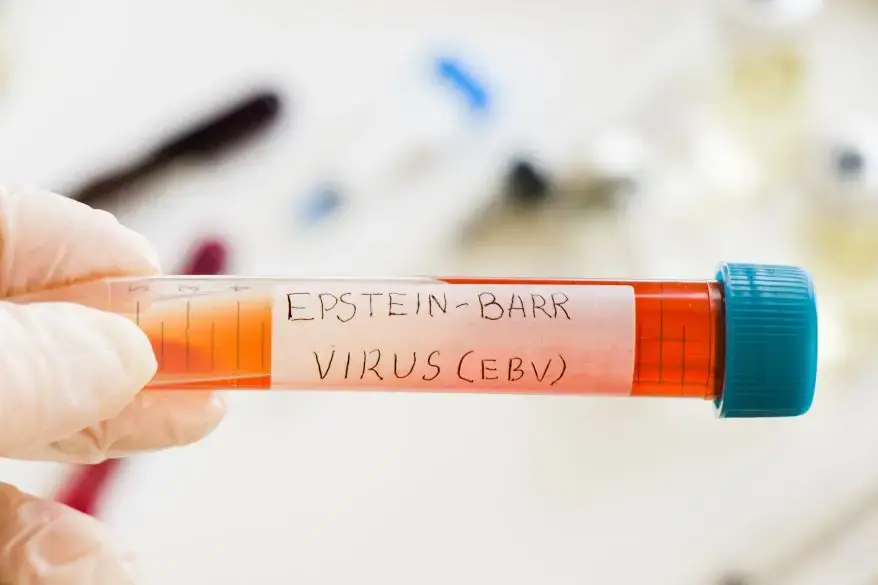
Most people carry the Epstein-Barr virus without knowing it. This virus infects over 90% of the global population. It stays quiet in your body for years. But sometimes, it wakes up and causes problems. Many doctors call it the “kissing disease” because it spreads through saliva. However, its effects go far beyond a sore throat. Recent studies link it to chronic fatigue, autoimmune disorders, and even brain issues. Understanding this virus matters for your long-term health. The Epstein-Barr virus (EBV) belongs to the herpes virus family. It can hide in your cells forever. This article explains how EBV works and why you should pay attention.
Key Takeaways: Epstein-Barr Virus
- EBV infects B cells and epithelial cells in the throat.
- The immune system fights EBV but rarely eliminates it completely.
- Chronic inflammation from EBV can damage tissues over time.
- EBV may cross the blood-brain barrier and affect brain function.
- Severe infections can lead to complications like meningitis.
- Current treatments focus on symptom relief, not a cure.
What Is the Epstein-Barr Virus?
The Epstein-Barr virus is a common human herpesvirus. Scientists discovered it in 1964 in cancer cells. Specifically, it primarily targets B cells—a type of white blood cell. B cells normally make antibodies to fight infections. However, after initial infection, EBV stays inside B cells for life. Moreover, the virus can reactivate during periods of stress or illness.
To begin with, primary infection often occurs in childhood. As a result, children usually show mild symptoms or none at all. In contrast, teenagers and adults are more likely to develop infectious mononucleosis—commonly known as mono. Typically, symptoms include severe fatigue, fever, sore throat, and swollen lymph nodes. Finally, these symptoms usually last 2 to 4 weeks.
How Your Immune System Responds to Epstein-Barr Virus
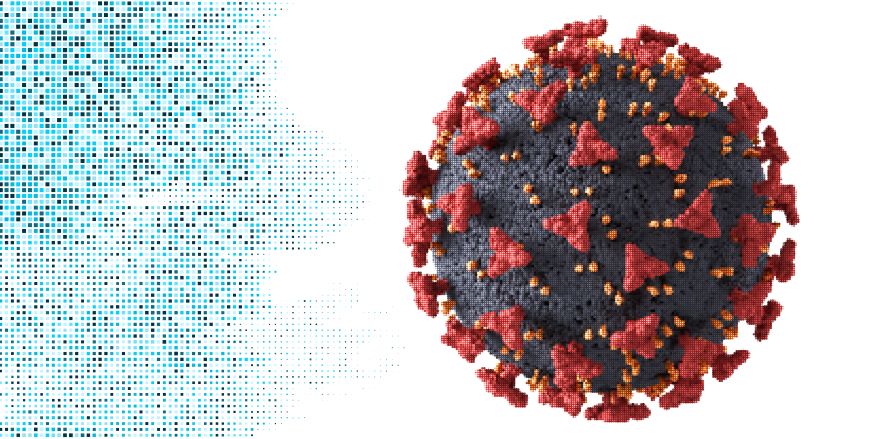
Your body uses multiple defence layers against the Epstein-Barr virus. First and foremost, the first line involves innate immunity. Specifically, natural killer cells destroy infected cells early on. As a result, this response limits viral spread before adaptive immunity kicks in.
Next, the adaptive immune system then takes over. More precisely, specialised T cells target and kill EBV-infected B cells. Among these, cytotoxic T cells are especially important for controlling the infection. In fact, they recognise viral proteins on the surface of infected cells. Consequently, this recognition allows them to eliminate the threat effectively.
The Role of Chronic Inflammation in Epstein-Barr Virus Infection
Inflammation as a Double-Edged Sword
On one hand, inflammation helps your body fight infections in the short term. On the other hand, chronic inflammation creates problems. For instance, the Epstein-Barr virus triggers persistent low-level activation of immune cells. Consequently, this activation produces pro-inflammatory cytokines like TNF-alpha and IL-6. Over time, these cytokines can contribute to tissue damage and ongoing immune dysregulation.
How EBV Contributes to Autoimmune Diseases
On studying Epstein-Barr virus, research links EBV infection to several autoimmune conditions. Specifically, these include systemic lupus erythematosus, multiple sclerosis, and rheumatoid arthritis. Notably, the virus may trigger autoimmunity through molecular mimicry. In other words, this occurs when viral proteins resemble human proteins. As a result, the immune system may mistakenly attack the body’s own tissues
Potential Brain Involvement in Epstein-Barr Virus Infection
Does EBV Cross the Blood-Brain Barrier?
The blood-brain barrier normally protects your brain from pathogens. This specialised network of cells prevents most viruses from entering. However, the Epstein-Barr virus may find ways around this barrier.
Recent studies detect EBV DNA in the cerebrospinal fluid of patients with neurological symptoms. This suggests the virus can access the central nervous system. Infected B cells may carry the virus across the barrier. This is a process called the Trojan horse mechanism.
Neurological Symptoms Linked to Epstein-Barr Virus
Studying Epstein-Barr Virus, EBV infection sometimes causes neurological complications. These include meningitis, encephalitis, and transverse myelitis. Patients may experience headaches, vision changes, or confusion. Seizures are also possible in severe cases.
Chronic fatigue syndrome often follows EBV infection. Over 60% of cases trace back to an initial EBV infection. Brain fog, memory issues, and mood changes are common complaints. These symptoms can persist for years.
Understanding the Blood-Brain Barrier Basics
Structure and Function
While studying Epstein-Barr Virus, The blood-brain barrier consists of specialised endothelial cells. Tight junctions connect these cells to form a seal. This seal prevents most large molecules and pathogens from entering brain tissue.
Capillary walls in the brain are thicker than those elsewhere. They lack the small pores found in other blood vessels. This design provides a selective barrier between blood and brain.
When the Barrier Is Compromised
Inflammatory cytokines can weaken the blood-brain barrier. During an EBV infection, cytokine levels rise. This inflammation may loosen the tight junctions connecting endothelial cells.
Once the barrier becomes leaky, substances that normally stay out can enter the brain. This includes viral proteins, immune cells, and inflammatory mediators. The result is neuroinflammation and potential damage.
Severe Infection Risks and Complications
Acute Complications
Most people recover from EBV without major issues. But serious complications can occur. Airway obstruction is one of the most dangerous risks. Severe throat swelling can block breathing. This requires immediate medical attention.
Splenic rupture is another rare but serious complication. The spleen enlarges during acute infection. Physical activity during this time increases rupture risk. Doctors advise avoiding contact sports for 3 to 4 weeks after mono diagnosis.
Current Research and Future Directions
Scientists are actively developing therapeutic vaccines against EBV. Unlike preventive vaccines, these would treat established infections. The goal is to boost T cell responses against viral proteins.
One promising approach targets the gp350 protein. This protein helps EBV enter B cells. Blocking it could prevent new infections and reduce viral load. Early clinical trials show some success
Frequently Asked Questions: Epstein-Barr Virus
How is Epstein-Barr virus diagnosed?
Doctors use blood tests to detect antibodies against EBV. The heterophile antibody test (Monospot) is common for mono. More specific tests measure IgM and IgG levels. PCR tests can detect viral DNA in blood or cerebrospinal fluid.
Can you get EBV more than once?
No, but the virus can reactivate. Specifically, after initial infection, EBV stays dormant in your cells. However, stress, illness, or immune suppression can trigger reactivation. Fortunately, symptoms are usually milder than the first infection.
Is there a cure for EBV?
There is no cure. Antiviral drugs reduce viral replication but do not eliminate the virus. Treatment focuses on symptom relief. Rest, fluids, and over-the-counter pain relievers help. Severe cases may require steroids or hospitalisation.
References
Schmidt, A., Alawathurage, T.M., David, F.S. et al. Host control of persistent Epstein–Barr virus infection. Nature 653, 444–454 (2026). https://doi.org/10.1038/s41586-026-10274-4
Sun, Y., Ling, S., Tang, D., Yang, M., & Shen, C. (2025). Advances in Epstein–Barr Virus Detection: From Traditional Methods to Modern Technologies. Viruses, 17(8), 1026. https://doi.org/10.3390/v17081026
- Author
- Latest Posts

Charudatta Pathak was a student at St. Aloysius High School in Bhusawal, established in 1874, making it one of India’s oldest convent institutions. He earned his bachelor’s degree in mechanical engineering from SSVPS College of Engineering, Dhule in 1995, demonstrating exceptional academic achievement. Thereafter, he launched his career as a CNC programmer in a toolroom. He has utilized FANUC, Deckel, Maho, and Mikron controllers to operate 2-axis and 3-axis machines for the fabrication of jigs, fixtures, dies, and molds. He commenced his career as an academic in 1996, when he assumed the role of lecturer at SSVPS College of Engineering, Dhule. Additionally, he earned his post-graduate degree in CAD/CAM from L. D. College of Engineering, Ahmedabad, in 2000, and then acquired a Ph.D. from COEP in 2011 while concurrently engaged in teaching. Until 2023, he occupied many academic roles, including lecturer, assistant professor, professor, dean, principal, director, and vice chancellor at both public and private universities throughout India. From 2008 to 2010, he served as the project lead in the CAE department of a European multinational firm. During his 28-year professional tenure, he identified a need for dependable books targeted at students in grades 8 to 12, particularly for nascent career planning. He founded ENTECH Digital Magazine, a free monthly publication available on entechonline.com and magzter.com. Teens with a strong interest in Science, Technology, Engineering, and Mathematics (STEM) who aspire to pursue careers in these fields may find ENTECH Digital Magazine beneficial.
- Author
- Latest Posts

I completed my Master of Science from the University of Allahabad in 2017 with a strong academic background in life sciences and chemistry. My specialization included Molecular Biology, Microbiology, Genetics, Plant Breeding, Phycology, Paleobotany, and Bioinformatics, along with Organic Chemistry, Inorganic Chemistry, and Physical Chemistry. This multidisciplinary training provided me with a comprehensive understanding of biological systems and analytical scientific approaches.
After completing my postgraduate studies, I gained valuable professional experience in both the education and social development sectors. I worked at A.M. Oxford Public School, where I was actively involved in guiding students toward academic excellence. In this role, I focused on creating an engaging learning environment, encouraging critical thinking, and nurturing students’ curiosity for scientific learning. My experience as an educator strengthened my communication, mentoring, and classroom management skills.
In addition to my teaching experience, I worked with Jeevan Jagriti Foundation, where I contributed to community-based initiatives aimed at improving educational access and awareness among underprivileged sections of society. Through this work, I participated in programs designed to support social development and promote the value of education in marginalized communities.
These professional experiences helped me develop strong interpersonal, leadership, and organizational skills while reinforcing my commitment to education and community service.